The Collaboration Strategy
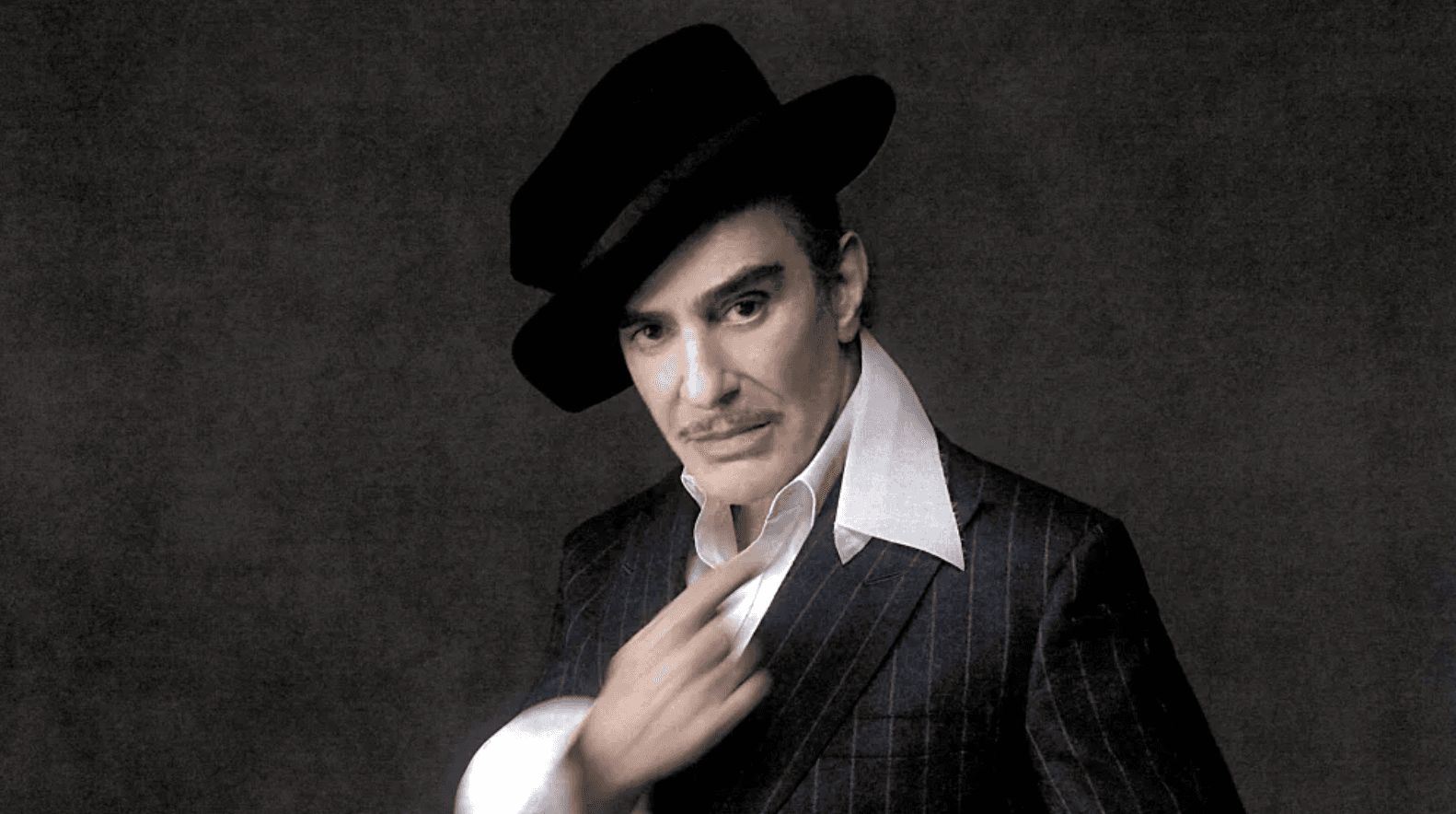
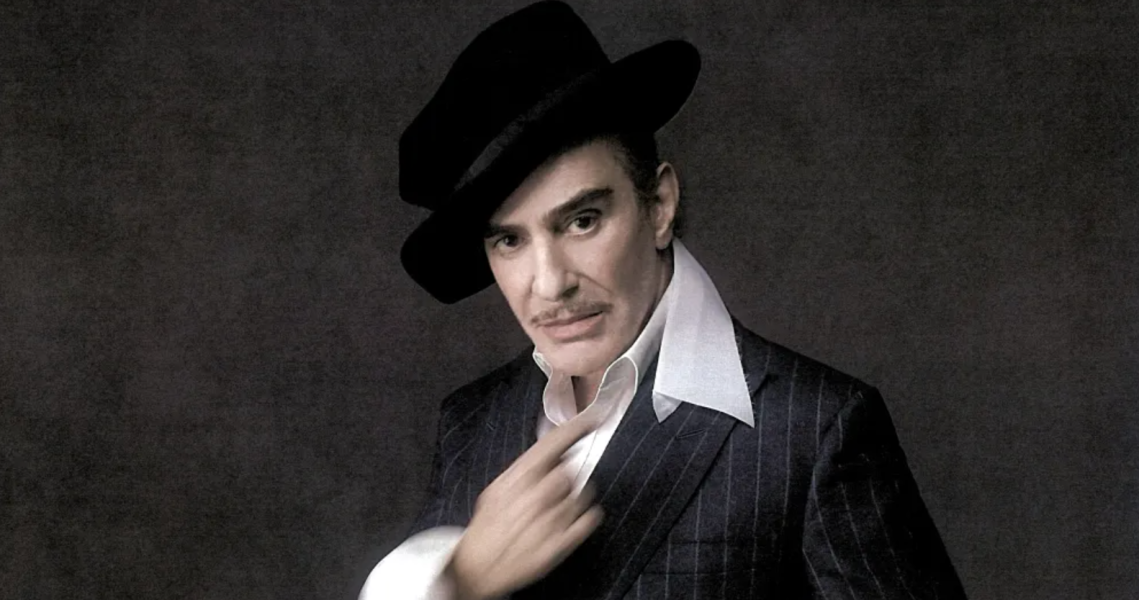
Zara has embarked on a significant two-year creative partnership with renowned designer John Galliano, marking a continued push upmarket for the fast-fashion giant. According to industry experts speaking to Glossy, this collaboration is fundamentally about brand positioning rather than product sales volume.
Galliano will "re-author the brand's archives through a series of seasonal collections," working directly with garments from past seasons by "deconstructing and reconfiguring them into new seasonal expressions." The first collection is scheduled for launch in September 2026.
Why This Matters for Zara's Evolution
This partnership represents a strategic departure from Zara's traditional growth model. As one luxury expert noted: "What is unique about this one is the partner. It underpins Zara's commitment to be at the forefront of fashion. It's knighting Zara for its role as a true fashion company, not just one that copies trends."
The collaboration targets a specific audience segment rather than Zara's mass market. "A lot of Zara customers don't know who Galliano is. Instead, this is targeting a more informed, fashion-aware audience," the expert explained.
This move builds on Zara's repositioning under Inditex chair Marta Ortega, who has sought since April 2022 to draw in more aspirational shoppers and move the brand beyond its fast-fashion image.
Historical Context and Differentiation
While H&M has turned high-fashion collaborations into a marketing engine for two decades (starting with Karl Lagerfeld in 2004), and Zara has recently worked with designers like Narciso Rodriguez (2022) and Stefano Pilati (2024), this Galliano partnership represents a different approach.

Notably, Zara's financial communications reveal a telling pattern: from June 2024 through March 2025 earnings calls, the company made "virtually no reference to collaborations as growth drivers," even while releasing capsules with Samuel Ross and Kate Moss. Instead, earnings consistently credited performance to in-house design, supply chain execution, and retail optimization.
Business Impact and Strategic Positioning
The collection's rollout over the next two years will determine its success in achieving Zara's positioning goals. As the expert noted: "Some collaborations today are not designed to drive volume, but instead to generate attention and reposition the brand."
Recent financial results suggest Zara's broader strategy is working. Inditex reported sales growth of 3.2% to €39.9 billion in full-year 2025 results on March 11, with net income up 6% to €6.2 billion. The question remains whether the Galliano collaboration will translate this positioning into genuine pricing power for Zara, which has not typically relied on collaborations as growth levers.
Implementation Approach and Timeline
The two-year timeframe allows for a sustained narrative rather than a one-off capsule collection. By working directly with the Zara archive, Galliano creates a bridge between Zara's heritage and its aspirational future. The brand has declined to share further details about the collaboration's scope or pricing strategy.
Risk Assessment and Market Context
The primary risk lies in the potential disconnect between Zara's mass-market customer base and the "informed, fashion-aware audience" targeted by the Galliano collaboration. Success will depend on Zara's ability to maintain its core business while elevating its brand perception among aspirational shoppers.
This strategic move occurs against a backdrop of increasing competition in the accessible luxury segment and growing consumer awareness of sustainability issues in fast fashion. Zara's partnership with a designer known for his avant-garde aesthetic represents a bold attempt to redefine the brand's cultural relevance.