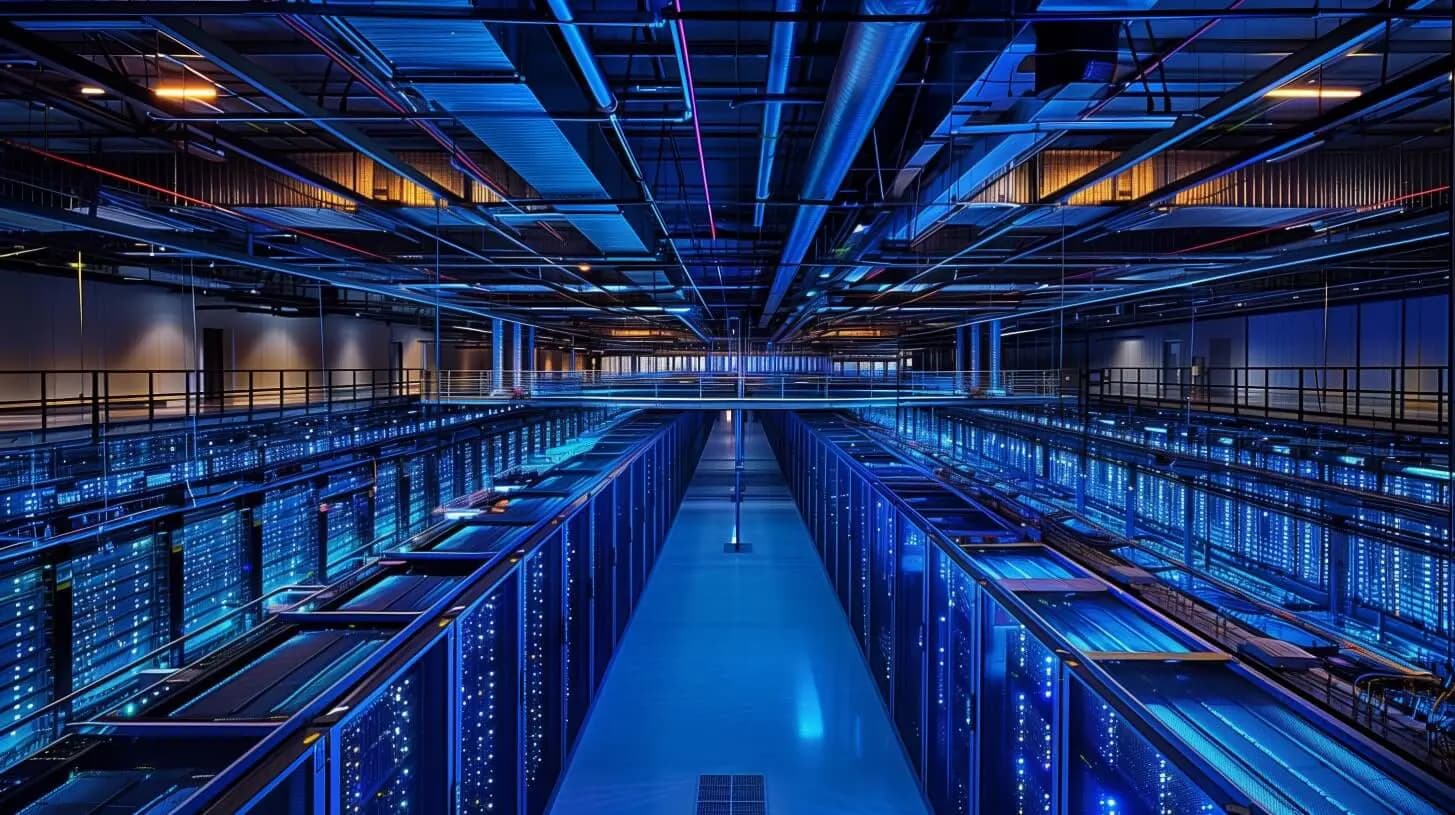
New research reveals that 38% of the United States population currently lives within five miles of at least one operational data center. The finding comes from analysis of data center locations and population density, highlighting the growing physical footprint of compute infrastructure that powers everything from cloud services to AI models.
Perhaps more surprisingly, the same research indicates that living near a data center doesn't have much of an effect on public opinion about the facilities. This challenges assumptions that proximity to industrial-scale computing infrastructure would generate significant local opposition.
Key Takeaways
- A new study finds 38% of Americans live within 5 miles of an operational data center, yet proximity has minimal impact on public opinion about these facilities.
- This comes as data center construction shifts toward rural areas to support AI compute demands.
The Rural Shift in Data Center Development
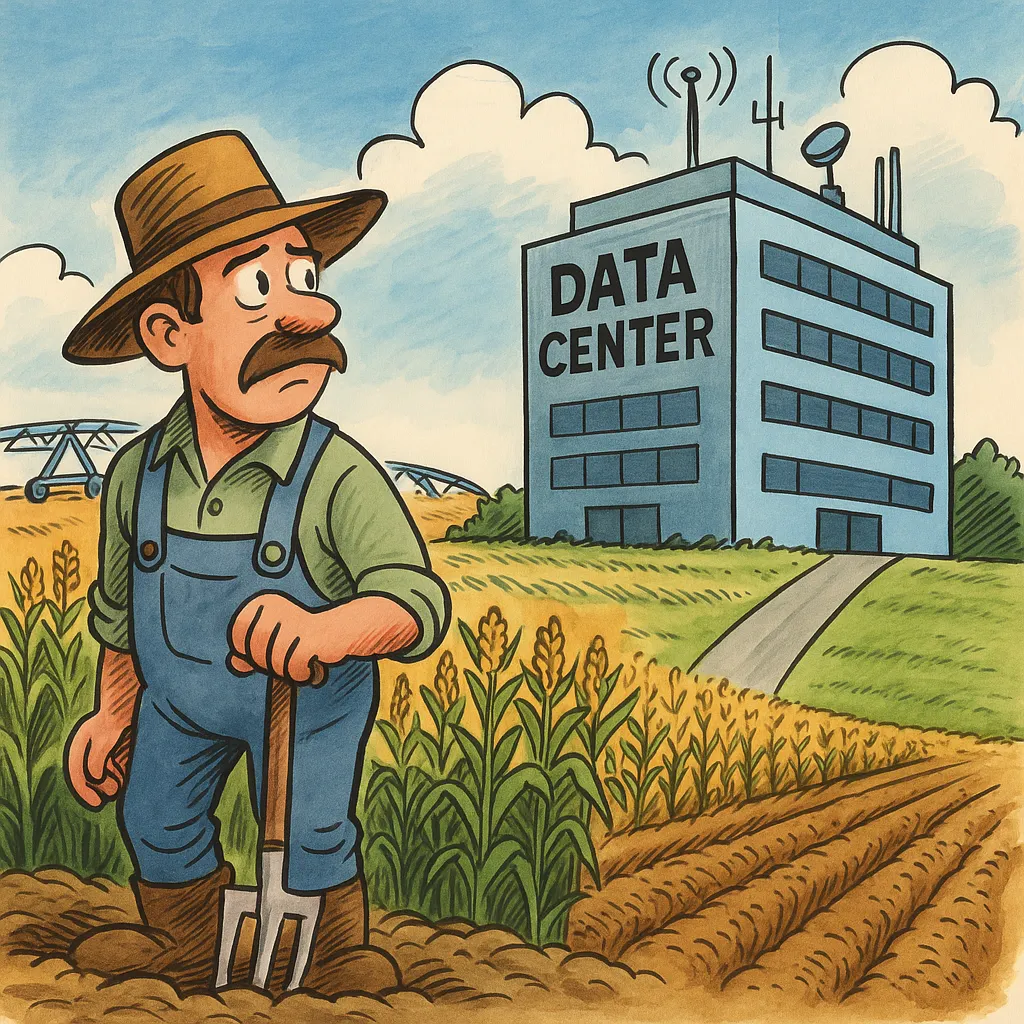
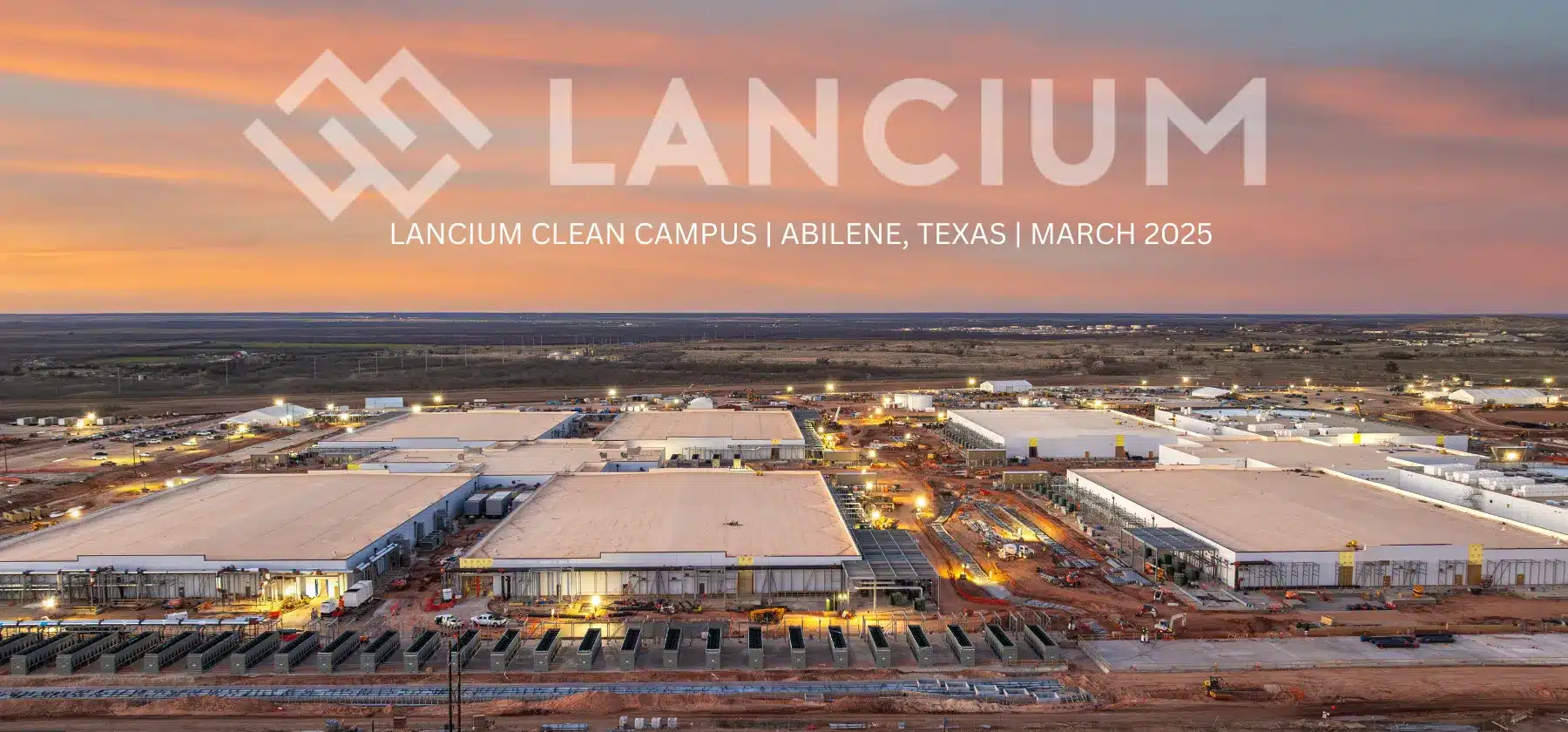
The research suggests a coming shift in data center geography: "From now on, it looks like most DCs will be rural." This trend aligns with the explosive growth in AI compute demand, which requires massive facilities with substantial power and cooling infrastructure that's increasingly difficult to accommodate in urban and suburban areas.
Rural locations offer several advantages for next-generation data centers:
- Lower land costs for building massive campuses
- Access to renewable energy sources like solar and wind farms
- Availability of water resources for cooling systems
- Proximity to major fiber optic routes that already crisscross rural America
- Reduced regulatory complexity compared to urban environments
Why Proximity Doesn't Drive Opposition
The finding that proximity doesn't significantly affect public opinion about data centers runs counter to what we've seen with other industrial facilities. Several factors may explain this:
Low Visual and Environmental Impact: Modern data centers are often designed as low-profile, campus-style facilities without smokestacks, loud machinery, or obvious industrial activity.
Economic Benefits: Data centers bring significant tax revenue and high-paying technical jobs to local communities, even if the actual number of on-site employees is relatively small compared to manufacturing facilities.
Quiet Operations: Unlike factories or power plants, data centers operate with minimal noise pollution, making them better neighbors than many industrial facilities.
Limited Public Awareness: Many residents may not even realize they live near a data center, as these facilities often blend into commercial or light industrial areas.
The AI Compute Boom Driving Expansion
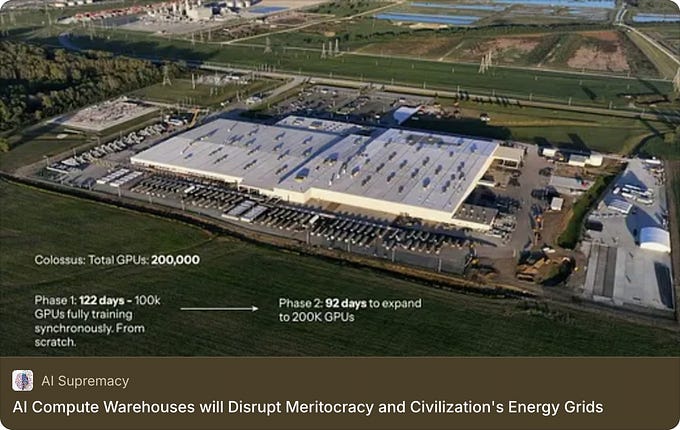
The data center construction surge is being driven primarily by demand for AI training and inference compute. Large language models like GPT-5, Claude 4, and Gemini Ultra require thousands of specialized AI accelerators (GPUs and TPUs) running continuously for weeks or months during training.
This has created unprecedented demand for:
- Power: A single large AI data center can consume as much electricity as a medium-sized city
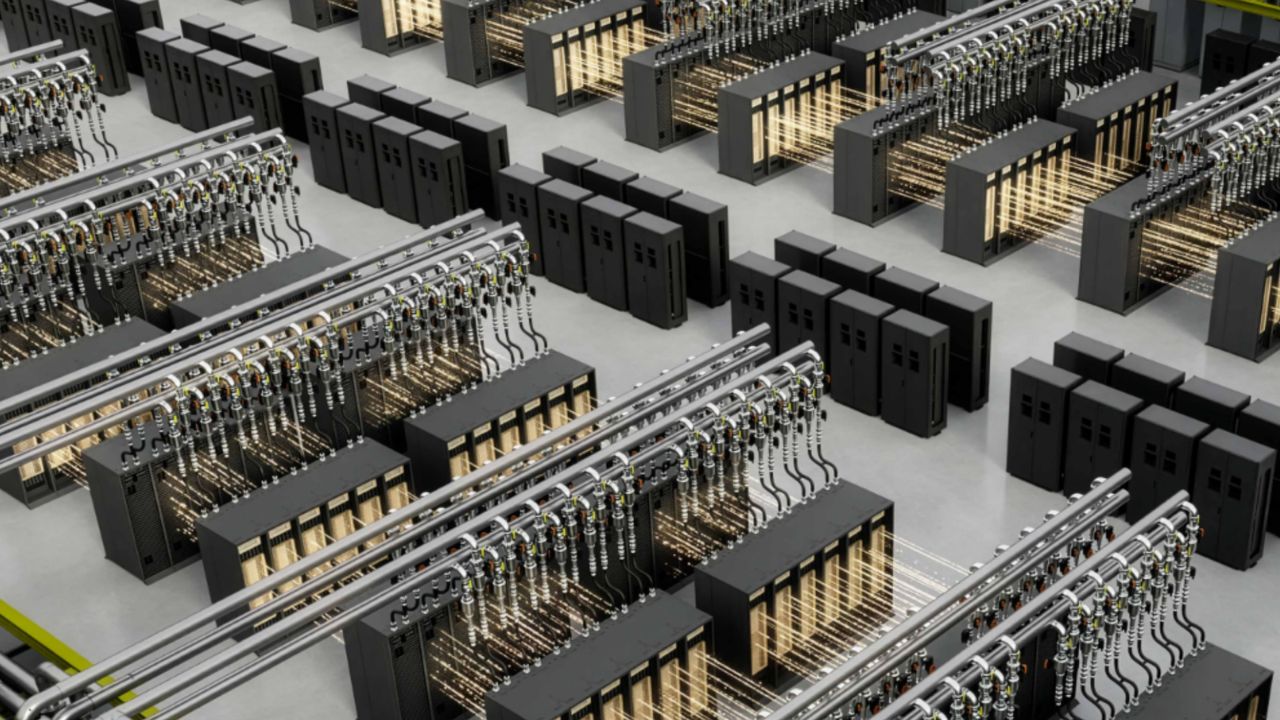
- Cooling: AI chips generate immense heat requiring sophisticated cooling systems
- Connectivity: High-bandwidth connections between servers and to the internet backbone
- Physical Space: AI server racks are denser and require more square footage than traditional cloud servers
gentic.news Analysis
This data on data center proximity and public opinion arrives at a critical moment in AI infrastructure development. We've been tracking the AI compute arms race since our coverage of NVIDIA's Blackwell platform launch in March 2024, which promised a 30x performance boost for AI training. That performance leap directly translates to more data centers being built to house these more powerful, but power-hungry, systems.
The shift toward rural data center development aligns with patterns we observed in our analysis of Microsoft's $10 billion investment in Wisconsin data centers last year and Google's expanding data center footprint in the Midwest. Both companies cited access to renewable energy and available land as key factors in site selection.
What's particularly noteworthy is the disconnect between proximity and opposition. This contrasts sharply with public response to other technology infrastructure projects. For instance, our coverage of 5G tower deployments showed significant local opposition driven by health concerns (largely unfounded) and aesthetic complaints. The relative acceptance of data centers suggests either better public relations by tech companies or a genuine difference in how these facilities impact communities.
Looking forward, this research has important implications for AI scaling. If public opposition isn't a major constraint based on proximity, companies can focus on the technical and economic factors in site selection. This could accelerate the build-out of AI infrastructure needed to support the next generation of models. However, we should watch for potential pushback as rural communities become saturated with data center proposals, particularly regarding water usage for cooling in drought-prone regions.
Frequently Asked Questions
How many data centers are currently operational in the United States?
While the exact number fluctuates with new construction, industry estimates suggest there are approximately 2,700-3,000 data centers of significant size in the United States. This includes everything from massive hyperscale campuses covering hundreds of acres to smaller colocation facilities in urban areas. The research indicating 38% of Americans live near a data center suggests these facilities are more widely distributed than many people realize.
Why are data centers moving to rural areas?
Data centers are shifting to rural locations primarily due to three factors: power availability, land costs, and cooling requirements. AI training requires enormous amounts of electricity—a single large AI data center can draw 100-300 megawatts, equivalent to powering 80,000-240,000 homes. Rural areas often have better access to grid capacity and renewable energy sources like solar and wind farms. Additionally, rural land is significantly cheaper, allowing for the massive campuses needed for hyperscale facilities, and many rural locations offer access to water for cooling systems.
Do data centers create local jobs?
Yes, but the employment profile differs from traditional manufacturing. A large data center typically employs 50-200 people directly for operations, security, and maintenance. These tend to be high-paying technical positions. The更大的 economic impact comes from construction jobs (hundreds of temporary positions during building phases) and indirect employment through services like security, catering, and maintenance contractors. Additionally, data centers generate substantial property tax revenue for local governments, often funding schools and infrastructure projects.
What environmental concerns are associated with data centers?
The primary environmental concerns are electricity consumption and water usage for cooling. Data centers currently account for about 1-1.5% of global electricity use, with AI compute significantly increasing this footprint. Water usage is particularly contentious in drought-prone regions—some data centers use millions of gallons daily for cooling. In response, major operators are committing to 24/7 carbon-free energy matching and developing advanced cooling technologies that reduce or eliminate water consumption. The shift to rural areas is partly driven by access to renewable energy sources that can mitigate the carbon footprint.