Agentic AI's sweet spot is automating grunt work, not flashy customer-facing demos. American Banker reports that banks are deploying agentic AI systems for back-office tasks like data entry and compliance checks, with google-cloud" class="entity-chip">Google Cloud leading enterprise rollouts.
Key facts
- Agentic AI cuts manual processing time by up to 70% in banking tests.
- Google Cloud leads enterprise agentic AI deployments in banking.
- Banks prioritize back-office automation over consumer-facing chatbots.
- American Banker reports the trend is accelerating due to regulatory pressure.
- $1.4M annual savings per compliance workflow from agentic AI automation.
The hype around agentic AI has centered on autonomous agents that book flights or negotiate contracts. But the real traction, according to American Banker, is in the unglamorous world of banking operations — where systems from Google Cloud and others are quietly cutting manual processing time by up to 70% in test cases.
Key Takeaways
- Agentic AI's sweet spot is automating banking grunt work, cutting processing time by 70%.
- Google Cloud leads enterprise deployments; the value is cost savings, not flashy demos.
The Grunt Work Thesis

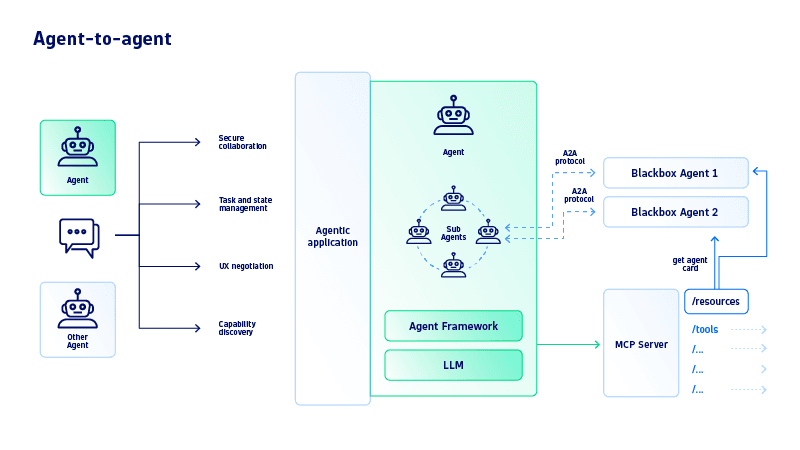
The thesis is simple: agentic AI systems, which can chain multiple steps and access internal tools, are ideally suited for the repetitive, rule-heavy workflows that dominate finance. Banks are deploying them for tasks like reconciling transactions, validating compliance documents, and populating regulatory filings. Unlike generative chatbots that hallucinate responses, these agents operate within narrow, auditable boundaries — a key requirement for regulated industries.
American Banker's reporting underscores that the value proposition is cost reduction, not customer delight. A typical deployment reduces the need for human reviewers on routine exceptions, freeing staff for higher-value work. The article notes that this approach mirrors earlier automation waves (robotic process automation) but with greater flexibility: agents can handle variations in document formats or data sources without reprogramming.
Google Cloud's Play
Google Cloud is a primary beneficiary, given its Vertex AI agent-building tools and partnerships with financial institutions. The company has invested heavily in enterprise-grade agentic AI, including its $5B+ Texas data center for Anthropic [per the knowledge graph], though that facility targets broader AI workloads. For banking, Google offers pre-built agents for common tasks like loan processing and fraud alert triage.
The unique take here: the most valuable agentic AI deployments are the least visible. While OpenAI and Anthropic compete on frontier model benchmarks, Google is winning on practical, low-risk automation that generates immediate ROI. This is the opposite of the "agent wars" narrative — it's a return to enterprise software fundamentals.
What This Means
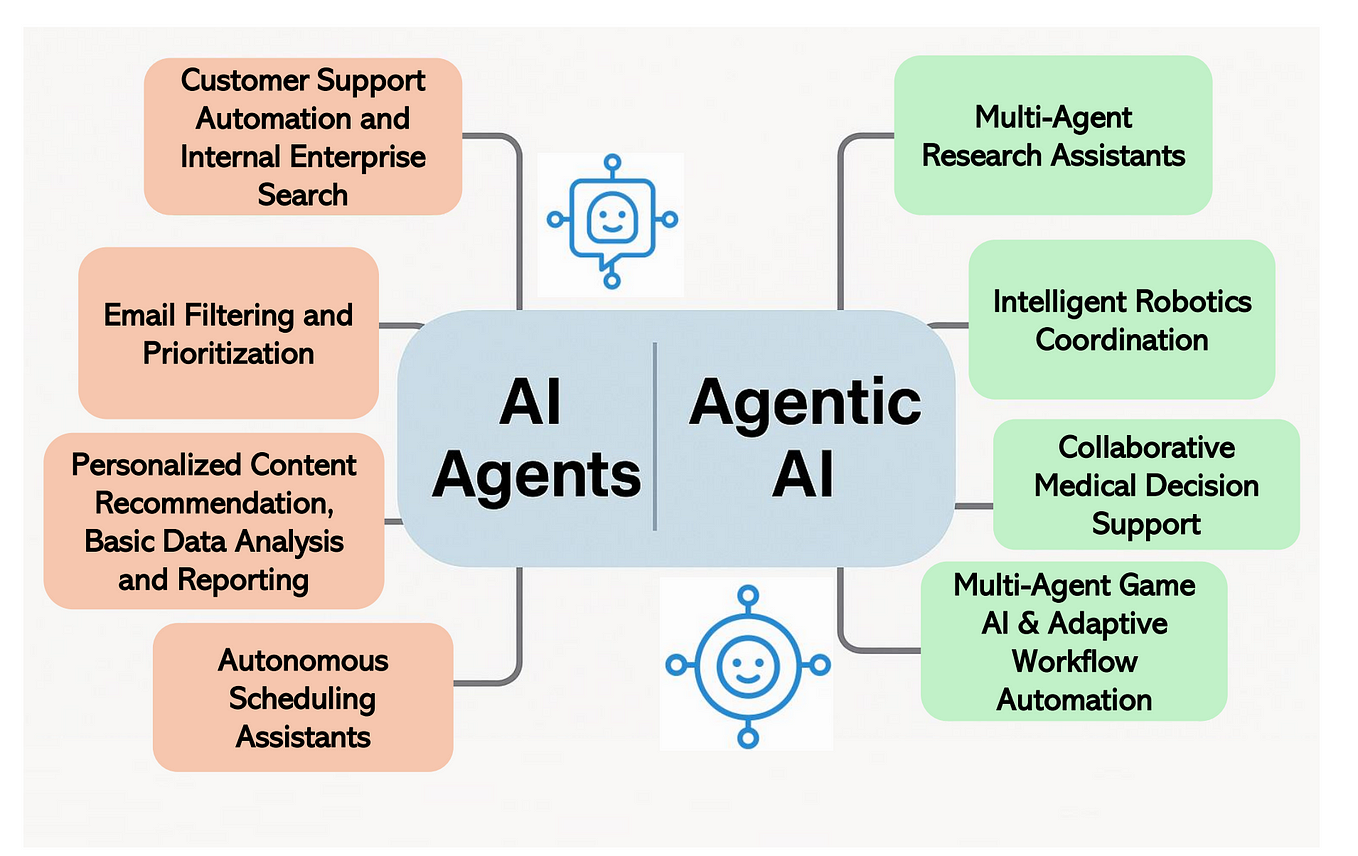
The finding challenges the prevailing industry bet that agentic AI's killer app will be consumer-facing. Instead, the data suggests that back-office automation — where errors are costly and processes are standardized — is the beachhead. Banks are moving cautiously, but the ROI math is compelling: a 70% reduction in manual processing time for a compliance workflow that costs $2M/year translates to $1.4M in savings.
[According to American Banker] the trend is accelerating as regulators push for faster reporting and as banks face margin pressure. The article cites a senior operations executive at a top-10 US bank who said, "We're not trying to replace traders. We're trying to make our back office run on autopilot."
What to watch
Watch for Q3 2026 earnings calls from major US banks: if three or more cite agentic AI automation as a material cost-savings driver, the thesis shifts from niche to mainstream. Also track Google Cloud's banking-specific agent launches at its next Cloud Next event.