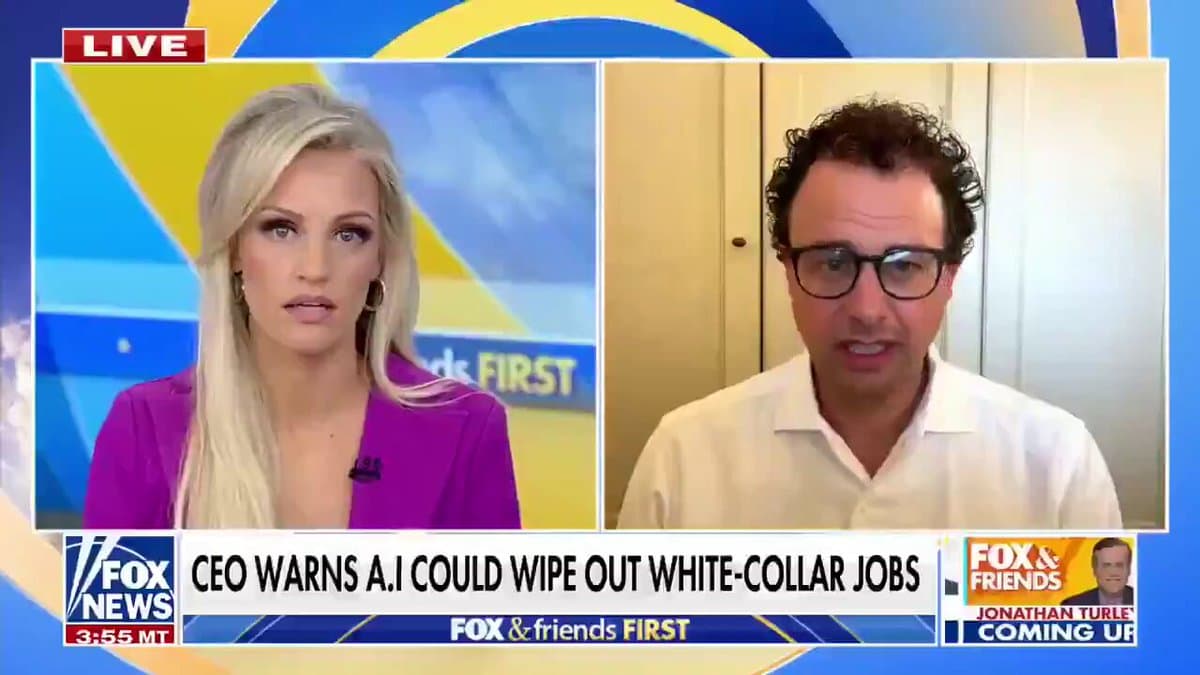
A growing chorus of AI industry leaders is warning that advanced artificial intelligence systems could trigger a "mass crisis" in global labor markets within the next five years, according to recent statements from prominent figures in the field. The warnings suggest that while public discourse often focuses on distant existential risks, more immediate economic disruption may be just around the corner.
The Warning from Industry Insiders
Recent social media posts from industry observers highlight that multiple AI CEOs are privately discussing the labor market implications of rapidly advancing AI capabilities. One post specifically notes that "other CEOs talk about this problem behind closed doors," suggesting a disconnect between private concerns and public messaging from technology leaders.
This warning follows earlier cautions from figures like Dario Amodei, CEO of Anthropic, who has previously highlighted the potential for AI to significantly impact employment patterns. The convergence of these warnings from multiple sources within the industry suggests a growing consensus about the timeline for disruption.
The 1-5 Year Timeline
The most striking aspect of these warnings is the compressed timeline. Unlike previous technological revolutions that unfolded over decades, AI-driven automation appears poised to transform labor markets at unprecedented speed. The 1-5 year window mentioned by industry insiders would place significant disruption within the current business cycle, potentially catching policymakers, educational institutions, and workers unprepared.
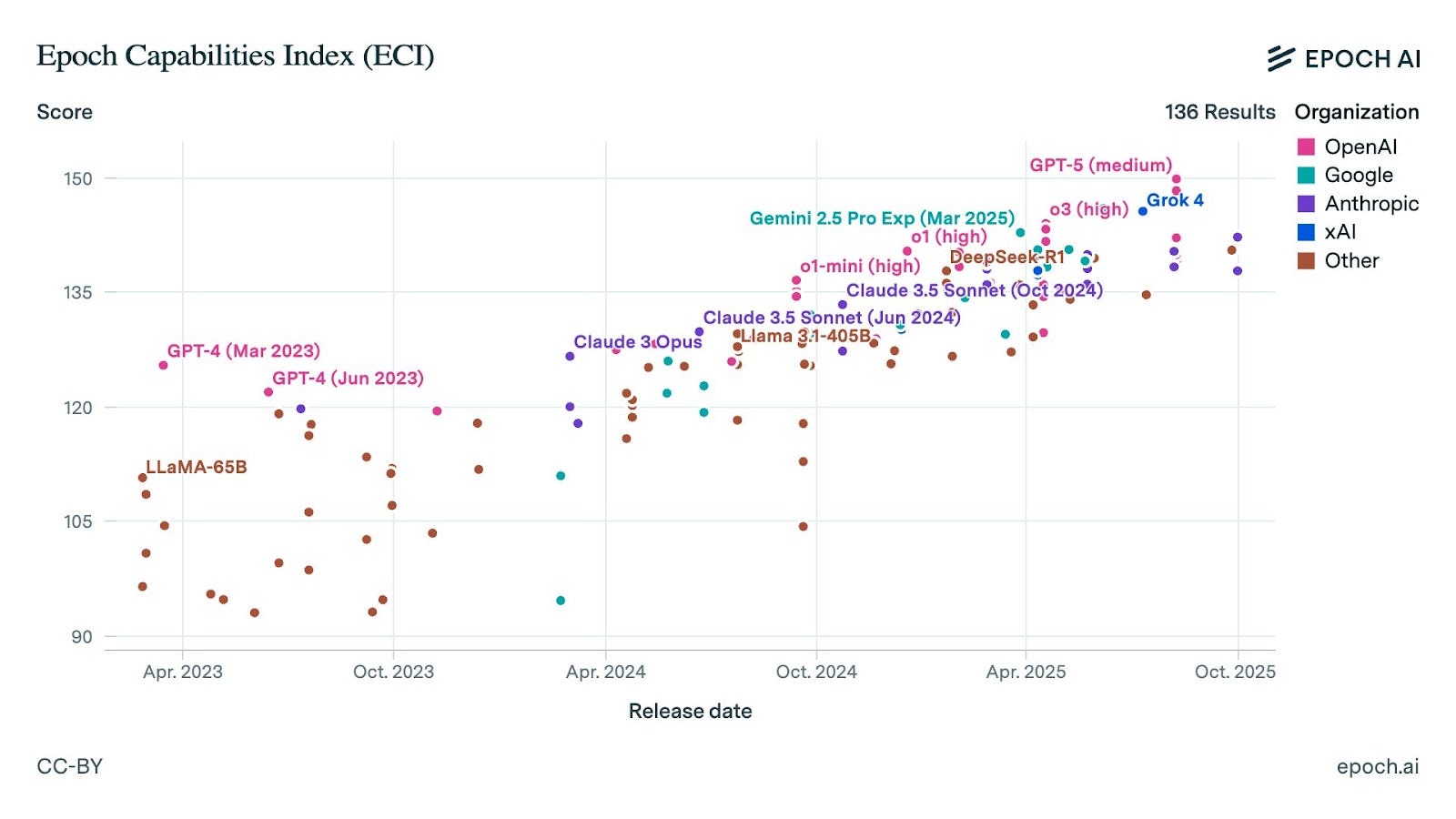
This acceleration is driven by several factors: the rapid improvement of large language models, the decreasing cost of AI deployment, and the expanding range of cognitive tasks that AI systems can perform. What began with routine manual labor automation is now extending to creative work, analytical tasks, customer service, and even some forms of management.
The Nature of the Coming Disruption
Unlike previous automation waves that primarily affected manufacturing and routine administrative work, the current AI revolution threatens to impact knowledge workers across multiple sectors. Industries including software development, content creation, legal services, financial analysis, and middle management could see significant displacement.
The crisis may manifest not as sudden mass unemployment but as a gradual erosion of job quality, wage stagnation for affected roles, and increasing competition for remaining positions. Workers may find themselves in a race against AI systems that continuously improve and expand their capabilities.
The Private vs. Public Discourse Gap
The revelation that CEOs discuss these concerns "behind closed doors" while maintaining more optimistic public stances raises important questions about transparency and responsibility. Technology companies face competing pressures: to acknowledge potential harms while maintaining investor confidence and public support for their products.
This gap between private concern and public messaging could leave society unprepared for the coming changes. Without open discussion about the scale and timing of disruption, governments may delay necessary policy responses, educational institutions may fail to adapt curricula, and workers may make career decisions based on outdated assumptions about job security.
Historical Context and Differences
Previous technological revolutions—from the Industrial Revolution to the computer age—ultimately created more jobs than they destroyed, but the transition periods often involved significant hardship and social disruption. The AI revolution differs in several key respects:
- Speed of adoption: Digital technologies can be deployed globally almost instantly
- Scope of impact: AI affects cognitive work, not just physical labor
- Capital concentration: Benefits may accrue disproportionately to AI developers and owners
- Skill obsolescence: The pace of change may outstrip human ability to retrain
Potential Policy Responses
Addressing the coming labor market challenges will require coordinated action across multiple domains:
Education and Retraining: Developing agile education systems that can rapidly respond to changing skill demands, with emphasis on uniquely human capabilities like creativity, emotional intelligence, and complex problem-solving.
Social Safety Nets: Considering adaptations to unemployment insurance, potential implementation of shorter work weeks, or exploration of universal basic income models to cushion the transition.
Labor Market Policies: Developing new frameworks for worker representation in an increasingly automated economy, potentially including rights to retraining and transition support.
Corporate Responsibility: Encouraging technology companies to contribute to solutions, whether through funding retraining programs, developing technologies that augment rather than replace workers, or supporting research on equitable AI deployment.
The Global Dimension
The labor market impacts will vary significantly across countries and regions. Developed economies with higher proportions of knowledge workers may face more immediate disruption, while developing economies might experience different patterns of job creation and displacement. International cooperation will be essential to manage cross-border impacts and prevent a "race to the bottom" in labor standards.
Looking Ahead
The warnings from AI industry leaders serve as a crucial wake-up call. While the exact timeline remains uncertain, the direction of travel is clear: AI systems will increasingly perform tasks currently done by human workers. The question is not whether disruption will occur, but how societies will manage the transition.
Proactive planning, open dialogue between technology developers and policymakers, and investment in human capital development could help transform this challenge into an opportunity to create more meaningful work and greater shared prosperity. The alternative—waiting until crisis strikes—risks unnecessary hardship and social instability.
Source: Social media posts from industry observers citing private conversations with AI CEOs, following earlier warnings from figures including Dario Amodei of Anthropic.