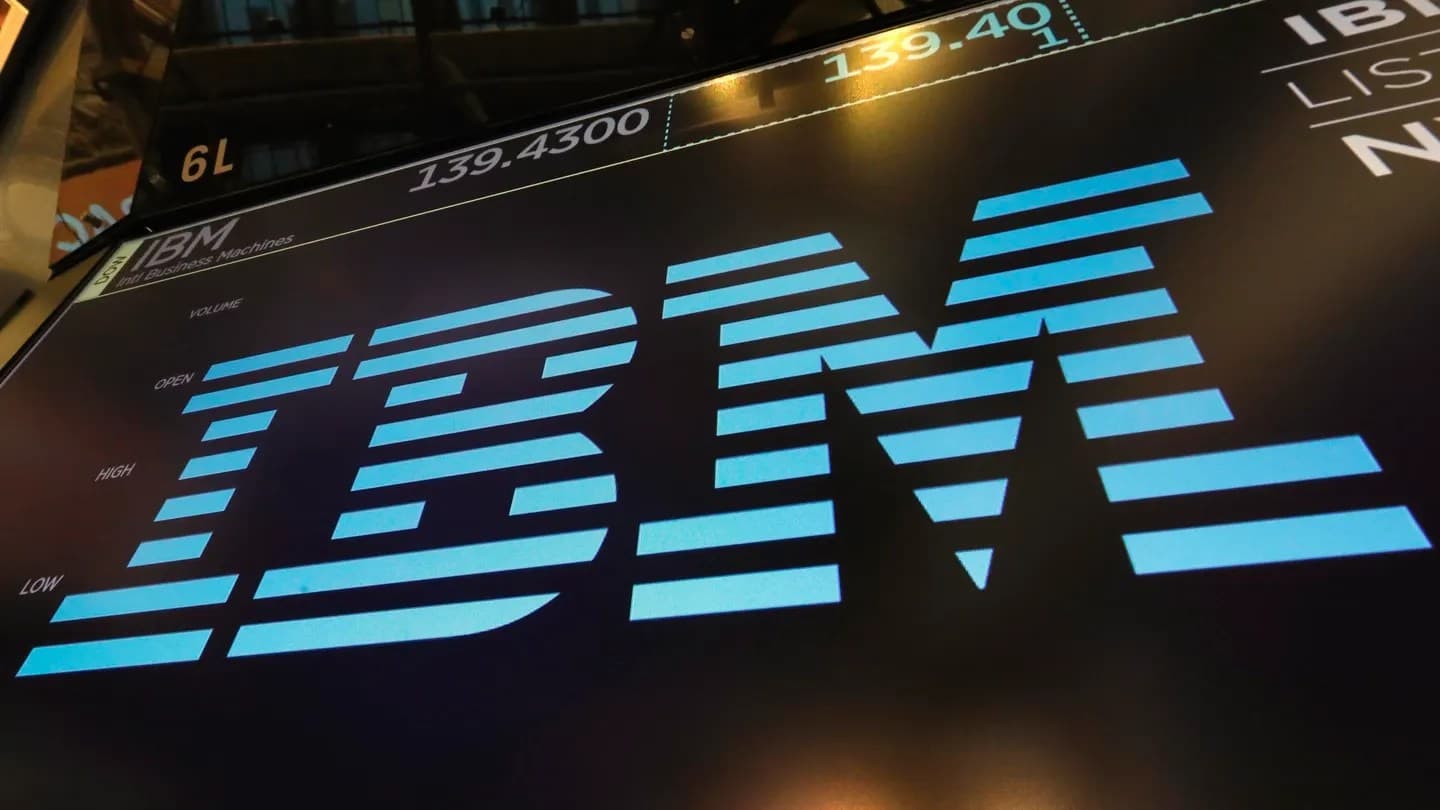
IBM experienced its most severe single-day stock decline in over two decades on Monday, with shares plummeting 13.1% to close at $223.39. This dramatic market reaction followed AI startup Anthropic's announcement of a new tool designed to automate the modernization of COBOL—the decades-old programming language that runs on IBM mainframes and powers critical systems across banking, insurance, and government sectors worldwide.
The COBOL Conundrum: A $3 Trillion Legacy Problem
COBOL (Common Business-Oriented Language) represents one of the most persistent technological legacies in enterprise computing. First developed in 1959, the language continues to run an estimated 220 billion lines of code that process $3 trillion in daily commerce. These systems handle everything from bank transactions and insurance claims to government benefits and airline reservations.
The challenge has always been modernization. As Anthropic noted in their announcement blog post: "Modernizing a COBOL system once required armies of consultants spending years mapping workflows." This painstaking process created a lucrative ecosystem for IBM and consulting firms, with modernization projects typically costing tens of millions of dollars and taking years to complete.
Anthropic's Disruptive Solution: Claude Code for COBOL
Anthropic's new AI tool, part of their Claude Code family, promises to dramatically accelerate this process. The company claims their technology can "automate the exploration and analysis phases that consume most of the effort in COBOL modernization." While specific technical details remain limited, the implication is clear: what once required teams of specialized consultants working for years could potentially be accomplished in significantly less time with AI assistance.
This announcement comes as part of Anthropic's broader push to establish itself as a serious competitor to OpenAI in the enterprise AI space. The company, founded by former OpenAI researchers, has been rapidly expanding its capabilities beyond general-purpose language models to specialized tools addressing specific business challenges.
Market Reaction: Why Investors Panicked
The 13% single-day drop represents IBM's worst performance since October 2000, during the dot-com bubble collapse. This extreme market reaction reflects several interconnected concerns:
1. Threat to Services Revenue
IBM's Global Business Services division, which includes consulting and implementation services for legacy system modernization, generated $20.5 billion in revenue in 2023. This represents approximately 22% of IBM's total revenue. AI automation threatens to compress both the timeline and cost of these projects, potentially eroding a significant revenue stream.
2. Mainframe Ecosystem Vulnerability
IBM's mainframe business, while no longer the company's largest division, remains highly profitable with strong margins. The Z Systems mainframes running COBOL applications represent a locked-in customer base that has historically been resistant to migration. AI-powered modernization tools could accelerate migration away from these proprietary systems.
3. Perception of Technological Obsolescence
The market reaction suggests investors are concerned that IBM's legacy-focused business model may be fundamentally threatened by the rapid advancement of AI. While IBM has invested heavily in its own AI initiatives through Watson and more recent cloud AI services, the perception that startups like Anthropic can disrupt core IBM businesses creates uncertainty.
Broader Implications for Enterprise Technology
This development represents more than just a bad day for IBM shareholders. It signals several important trends in the enterprise technology landscape:
Accelerated Legacy System Modernization
Organizations that have been delaying COBOL modernization due to cost and complexity may now reconsider their timelines. This could trigger a wave of modernization projects, though potentially at lower price points than traditional consulting engagements.
Changing Competitive Dynamics
The announcement highlights how AI startups are increasingly targeting specific enterprise pain points rather than just offering general-purpose tools. This vertical specialization could reshape competition in the enterprise software and services market.
Skills Transformation
The demand for COBOL programmers, already an aging workforce with average ages in the late 50s, may face additional pressure. However, new opportunities will emerge for professionals who can bridge legacy systems and modern AI tools.
IBM's Response and Strategic Position
IBM has not issued an official statement specifically addressing Anthropic's announcement, but the company has been actively developing its own AI capabilities. IBM's recent focus has been on watsonx, their enterprise AI platform, and hybrid cloud solutions. The company has also been positioning itself as a trusted partner for regulated industries that require stringent security and compliance—areas where startups may face challenges.
However, the market reaction suggests investors are questioning whether IBM's transformation efforts are moving quickly enough. The company's stock had been performing relatively well prior to Monday's drop, with shares up approximately 12% year-to-date before the decline.
The Future of Legacy System Modernization
While Anthropic's announcement has created significant market disruption, several questions remain:
- Technical Limitations: Can AI truly handle the complexity of mission-critical COBOL systems, or will human oversight remain essential?
- Regulatory Compliance: Financial and government systems have strict regulatory requirements. Will AI-generated code meet these standards?
- Implementation Reality: Will the promise of accelerated modernization translate to real-world implementations, or will organizations remain cautious?
What's clear is that the economics of legacy system modernization are changing. The barrier to migrating from decades-old systems is lowering, and enterprises now have more options than ever before. This could ultimately benefit organizations burdened by technical debt, even as it disrupts established business models in the technology services sector.
Conclusion: A Watershed Moment for AI in Enterprise
Anthropic's COBOL modernization tool announcement and the subsequent market reaction represent a watershed moment in enterprise AI adoption. It demonstrates that AI is moving beyond productivity enhancements to directly threatening established business models in legacy technology sectors.
For IBM, the challenge is clear: accelerate their own AI capabilities while defending their position in legacy markets. For enterprises running COBOL systems, new options are emerging that could finally unlock modernization initiatives that have been stalled for decades. And for the AI industry, this event validates the enormous economic value that can be created by targeting specific, high-value enterprise problems.
The coming months will reveal whether this market reaction was an overreaction or the beginning of a fundamental shift in how legacy enterprise systems are maintained and modernized. What's certain is that the intersection of AI and legacy technology will remain one of the most watched areas in enterprise computing.