A therapeutic intervention for biological age reversal, discovered and developed using artificial intelligence, has officially entered its first phase of human testing. This marks a pivotal transition from preclinical animal studies to clinical evaluation in human volunteers, a critical step for any potential anti-aging treatment.
Key Takeaways
- An AI-discovered therapeutic approach for biological age reversal has advanced to its first human trials.
- This milestone validates the use of AI for identifying novel geroprotective compounds.
What Happened

According to an announcement shared by AI researcher Rohan Pandey, an "age-reversal idea" has "crossed a line: into human testing." The core development is that a specific therapeutic approach, likely a small molecule or biologic agent identified through AI-driven analysis of aging biology, is now being administered to human participants in a controlled clinical trial for the first time. The source indicates this is the "very first time" this particular intervention will be tested on people.
Context
The field of longevity research has increasingly turned to AI and machine learning to analyze complex biological data, model the hallmarks of aging, and screen vast molecular libraries for potential geroprotectors—substances that slow or reverse aspects of biological aging. Companies like Insilico Medicine, Calico (backed by Alphabet), and Life Biosciences have pioneered this approach, using AI to discover novel drug targets and compounds.
Advancing from promising results in model organisms like mice to human trials is a significant and risky hurdle. It requires rigorous safety profiling and regulatory approval. This move into human testing suggests the AI-identified therapy has passed necessary preclinical safety and efficacy benchmarks in animals, providing enough evidence to warrant investigation in humans, typically starting with a Phase I trial focused primarily on safety and tolerability.
What This Means in Practice
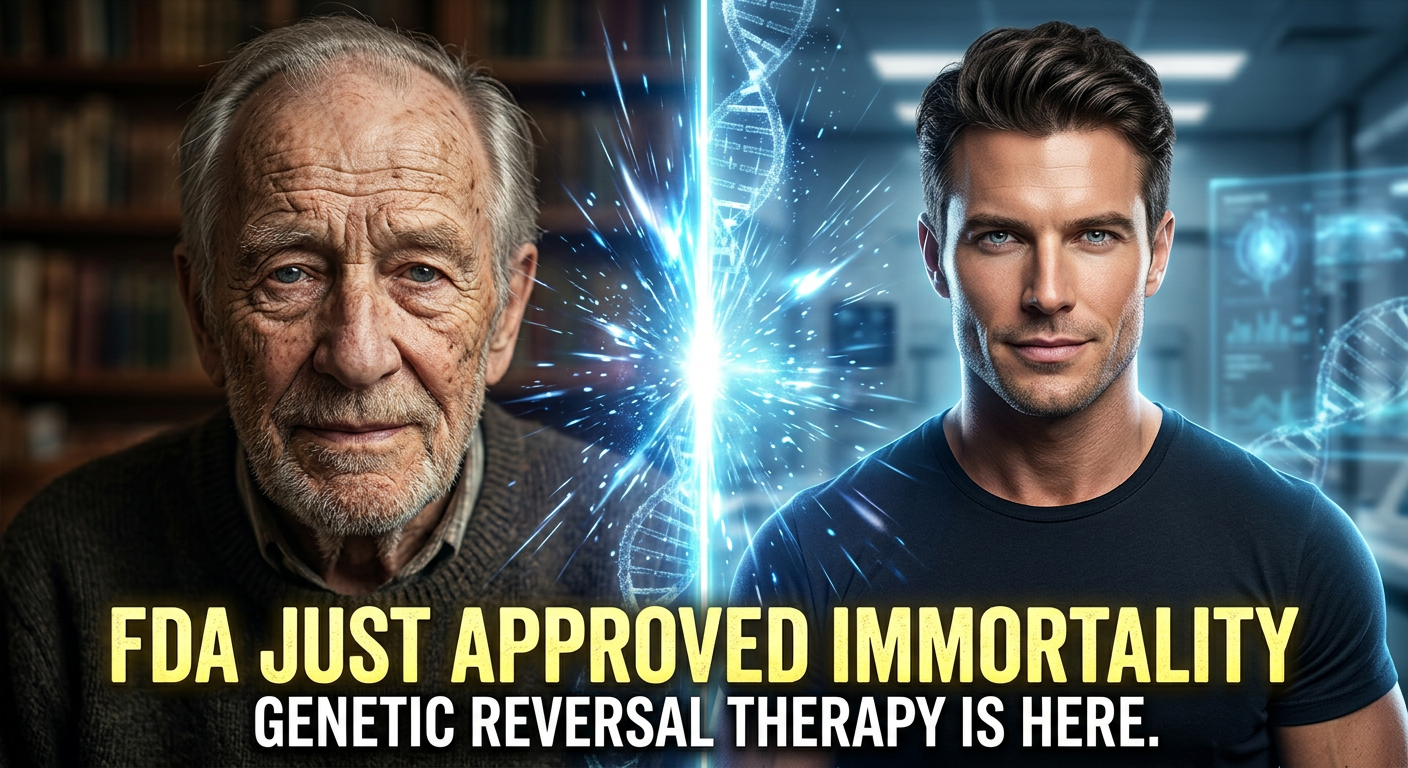
For AI and biotech practitioners, this milestone is a concrete validation case. It demonstrates that the pipeline of AI for drug discovery—from target identification and compound generation to preclinical validation—can produce candidates deemed viable for human testing in the complex field of aging. Success or failure in these early trials will provide crucial real-world data on the accuracy of the AI models used.
gentic.news Analysis
This development is a direct progression from the wave of AI-integrated biotech startups that emerged in the early 2020s. As we covered in our 2024 analysis of Insilico Medicine's AI-discovered fibrosis drug entering Phase II trials, the promise was always that the same target-agnostic, deep-learning approach could be applied to aging, a multifaceted disease process. The entity moving into human trials now is likely one of the several well-funded players in this space that have been quietly advancing their pipelines.
The transition to human testing is a major credibility checkpoint. The longevity field has been fraught with hype around supplements and non-regulated interventions. A regulated clinical trial for age-reversal, especially one stemming from an AI discovery platform, brings a needed rigor. If early safety data is positive, it will likely trigger significant further investment and competitive activity from larger pharma companies, which have been cautiously observing the AI-longevity intersection. This also puts pressure on the field to establish consensus biomarkers for measuring "biological age" in clinical trial settings, a nontrivial challenge itself.
Frequently Asked Questions
What does "age-reversal" mean in a clinical trial?
In this context, it likely refers to the potential of a therapeutic to improve or reset biomarkers associated with biological aging. These biomarkers could include epigenetic clocks (like DNA methylation age), measures of organ function, immune senescence, or frailty indices. The goal is to demonstrate that the treatment makes a person's biology statistically "younger" than their chronological age.
How is AI used to discover age-reversal drugs?
AI platforms are trained on massive multi-omics datasets (genomics, proteomics, transcriptomics) from young and old cells, tissues, and animals. They learn to identify key molecular pathways driving aging and predict compounds that might modulate those pathways. Generative AI models can also design novel molecular structures with desired geroprotective properties, which are then synthesized and tested in labs.
What phase of clinical trial is this?
The announcement specifies "human testing" for the first time, which almost certainly refers to a Phase I clinical trial. Phase I trials primarily assess the safety, tolerability, and pharmacokinetics (how the body processes the drug) in a small group of healthy volunteers or specific patients. Efficacy signals may be observed but are not the primary goal.
Which company is behind this trial?
The source does not name the specific entity. However, given the landscape, likely candidates are private AI-biotech firms specializing in longevity, such as Altos Labs, Retro Biosciences, Unity Biotechnology, or a subsidiary of a larger biopharma company that has been active in this research area.