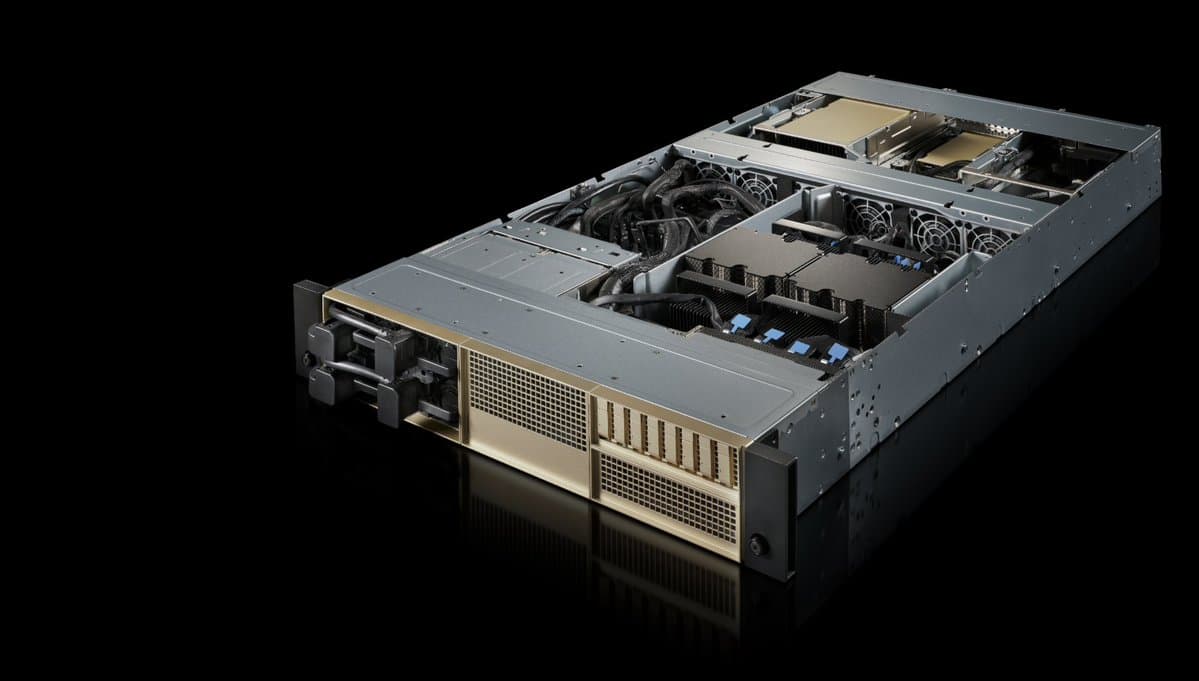
NVIDIA Vera CPU benchmarks published by Phoronix show a 20-second Linux kernel compile and 1.55x performance over Intel Xeon 6980P. The 88-core ARM processor targets agentic AI workloads requiring concurrent code execution and data pipelines.
Key facts
- 20-second Linux kernel compile, fastest tested
- 1.55x performance vs Intel Xeon 6980P
- 10% ahead of AMD EPYC 9575F geometrically
- 1.2 TB/s LPDDR5X memory bandwidth
- 90% sustained STREAM TRIAD bandwidth efficiency
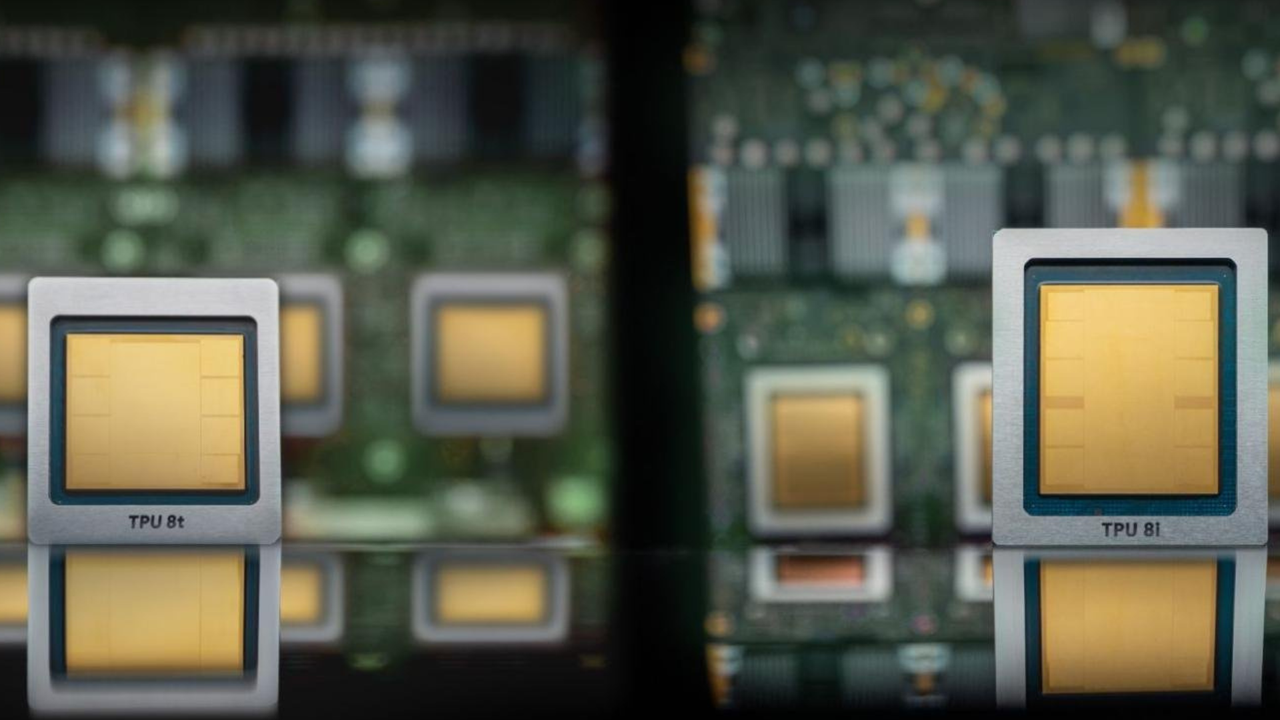
Phoronix founder Michael Larabel ran Vera through 11 pages of Linux benchmarks, marking one of the first independent public evaluations of NVIDIA's new server CPU. Vera is built with 88 custom Olympus ARM cores and uses LPDDR5X memory delivering up to 1.2 TB/s bandwidth [According to Phoronix].
The performance numbers
Vera compiled a default Linux kernel in 20 seconds, the fastest result in Phoronix's tested field. Across all tested workloads, it delivered about 1.55x the performance of Intel's Xeon 6980P. Against AMD's EPYC 9575F, it came out about 10% ahead on a geometric mean basis. Compared to NVIDIA's own Grace CPU, Vera is 1.63x faster in the geometric mean — an unusually large generation-over-generation jump for a CPU.
The unique angle here is not raw throughput but memory architecture. Vera delivers more than 4x the memory bandwidth per core compared to traditional x86 server CPUs. In the STREAM TRIAD benchmark, it sustained 90% of its rated peak bandwidth, the highest ratio Phoronix has measured on any CPU. For agentic workloads with dozens of parallel processes and concurrent data queries, consistent memory performance often matters more than core count on a spec sheet.
Context and timing
Jensen Huang announced Vera at GTC in March 2026. The thesis: agentic AI creates new CPU demand for orchestration, tool calling, and data pipelines that run concurrently at scale. These benchmarks provide the first real numbers supporting that thesis. Larabel, who has benchmarked Linux hardware for over two decades, said he's never seen any ARM processor compete with Intel and AMD at this level.
Vera ships to partners in H2 2026. The server CPU market now faces a credible ARM competitor with memory bandwidth characteristics that directly address emerging AI workload patterns.
What to watch
Watch for Vera's performance in real-world agentic AI orchestration benchmarks (e.g., SWE-Bench agentic evaluation) once systems ship in H2 2026. Also track whether AMD and Intel respond with memory-bandwidth-per-core improvements in their next server architectures.
[Updated 28 May via nvidia_blog]
NVIDIA's own blog post highlights that Vera was designed specifically for the 'AI factory' era, emphasizing sustained performance under full-core load [per NVIDIA Blog]. The company notes these benchmarks validate Vera's ability to handle agentic AI's unique CPU demands, positioning it as a 'heavy-hitting punch' against traditional server CPUs.