Recent social media observations from industry watchers have highlighted what appears to be a relentless shipping pace from NVIDIA, with one commentator noting "And they keep on shipping.. holy moly" alongside visual evidence of ongoing logistics operations. While seemingly anecdotal, this observation reflects a broader, verifiable trend: NVIDIA is moving AI hardware at unprecedented volumes to meet explosive global demand.
The Context: AI's Infrastructure Gold Rush
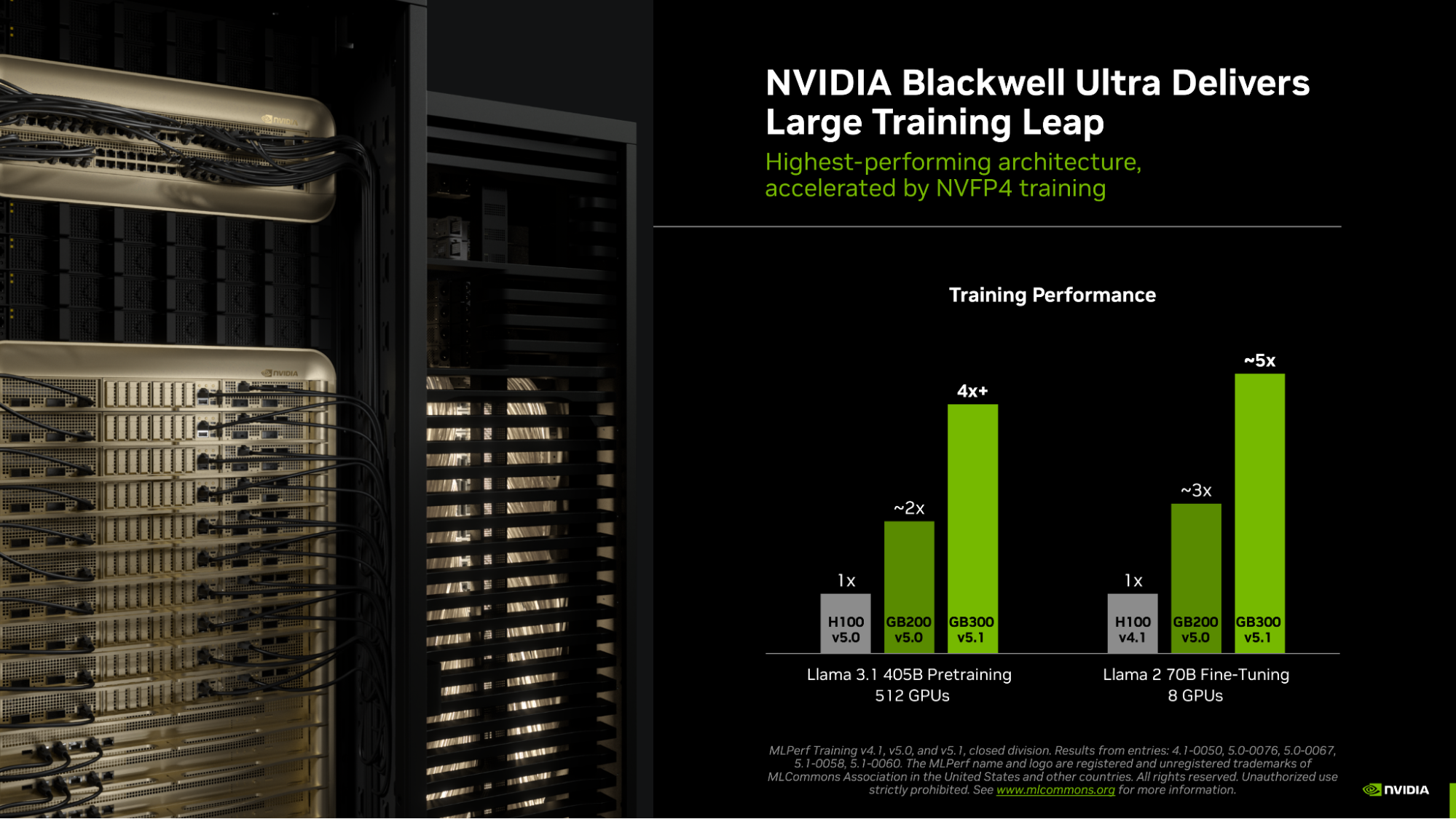
The current AI boom, driven primarily by large language models and generative AI applications, has created what analysts describe as the most significant computing infrastructure buildout since the dawn of cloud computing. NVIDIA's GPUs, particularly their H100 and newer Blackwell architecture processors, have become the de facto standard for training and running advanced AI models. Every major tech company—from Microsoft, Google, and Amazon to Meta, Tesla, and countless AI startups—is racing to secure these chips to power their AI ambitions.
This demand has created extraordinary pressure on NVIDIA's supply chain. Reports suggest lead times for high-end AI processors stretched to nearly a year at the peak of the shortage. The company has responded by dramatically increasing production capacity through partnerships with TSMC and other suppliers, but demand continues to outstrip supply in many segments.
What "They Keep on Shipping" Actually Means
The social media observation captures a visible manifestation of this economic phenomenon. Continuous shipments indicate several important developments:
Supply Chain Optimization: NVIDIA and its partners have likely achieved remarkable efficiencies in their logistics operations, moving from batch shipments to near-continuous flows to maximize throughput.
Global Distribution: These shipments aren't just going to a handful of hyperscalers. They're distributed across cloud providers, enterprise customers, research institutions, and AI developers worldwide.
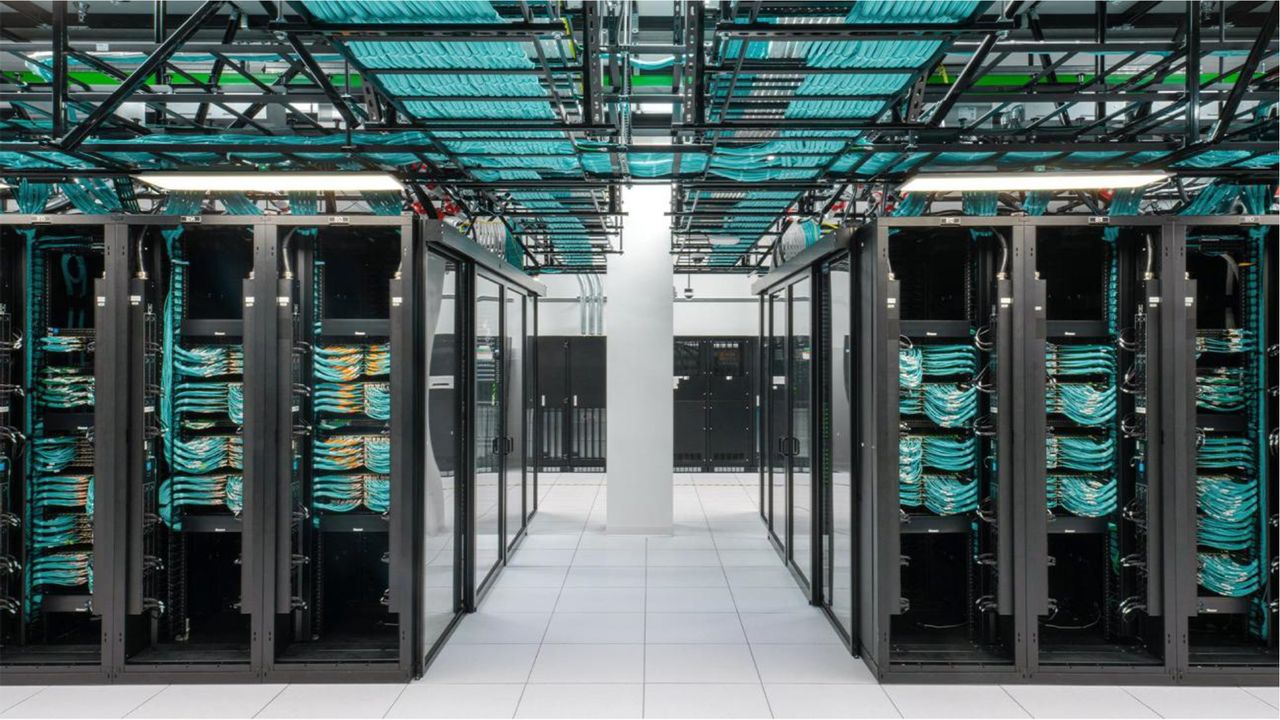
Infrastructure Buildout Phase: We're witnessing the physical installation phase of AI infrastructure at global scale—data centers being filled with racks of AI accelerators that will form the backbone of AI services for years to come.
The Competitive Landscape Heats Up
NVIDIA's shipping momentum comes amid intensifying competition. AMD has launched its MI300 series accelerators, claiming competitive performance in certain AI workloads. Meanwhile, custom silicon efforts from Google (TPUs), Amazon (Trainium/Inferentia), and Microsoft (Maia) continue to evolve. Even OpenAI is reportedly exploring developing its own AI chips.
However, NVIDIA maintains significant advantages:
- CUDA Ecosystem: Their software platform has become the industry standard, creating substantial switching costs
- Full-Stack Solutions: From chips to systems to software frameworks, NVIDIA offers complete solutions
- Architectural Momentum: Their roadmap from Hopper to Blackwell to future architectures maintains performance leadership
The continuous shipping indicates that despite competitive threats, NVIDIA's market position remains extraordinarily strong in the current cycle.
Economic and Strategic Implications
The scale of AI hardware deployment has several important implications:
Capital Expenditure Surge: Tech companies are investing hundreds of billions in AI infrastructure, with NVIDIA capturing a significant portion of this spending. This represents a massive transfer of capital within the technology sector.
Geopolitical Dimensions: Export controls on advanced AI chips to certain regions have created complex logistics challenges, with companies navigating regulatory requirements while trying to meet global demand.
Energy Infrastructure Strain: AI data centers consume enormous amounts of power, prompting concerns about grid capacity and driving innovation in cooling technologies and energy-efficient designs.
Innovation Acceleration: The widespread availability of AI compute (even if still constrained) enables more researchers and companies to experiment with larger models and new applications, potentially accelerating the pace of AI advancement.
Looking Ahead: When Will Demand Plateau?
Industry analysts debate whether we're seeing a temporary bubble or a fundamental shift in computing infrastructure. Several factors suggest sustained demand:
- Model Complexity Growth: AI models continue growing in size and capability, requiring more compute for both training and inference
- New Applications: As AI moves from chatbots to robotics, scientific discovery, and enterprise automation, new use cases emerge
- Global Adoption: AI adoption is spreading across industries and geographies, not just concentrated in Silicon Valley
However, potential headwinds include:
- Efficiency improvements in algorithms and hardware
- Diversification to alternative chip architectures
- Economic constraints on capital expenditure
The Bottom Line
The observation that "they keep on shipping" captures a critical moment in technological history. We're witnessing the physical manifestation of the AI revolution—the hardware infrastructure being deployed today will shape what's possible with AI for the next decade. NVIDIA's execution in meeting this demand, while maintaining technological leadership, represents one of the most remarkable business and engineering achievements in recent memory.
As the AI landscape continues evolving, the companies and nations that secure sufficient compute capacity may gain significant competitive advantages. The relentless shipping isn't just about moving boxes—it's about distributing the foundational resource of the AI era.