According to exclusive reporting from Reuters, Chinese artificial intelligence startup DeepSeek has apparently trained its latest AI model on Nvidia's most powerful Blackwell chips—despite active U.S. export bans designed to prevent exactly this scenario. The revelation, citing a senior Trump administration official, suggests that the global AI competition is about to enter a dramatically new phase, with major implications for technological leadership, national security, and market dynamics.
The Technical Breakthrough That Shouldn't Be Possible
Nvidia's Blackwell architecture represents the cutting edge of AI acceleration technology, offering performance improvements that could significantly advance large language model capabilities. The U.S. government has implemented strict export controls specifically targeting these chips to maintain American technological superiority in artificial intelligence. The reported use of Blackwell chips by DeepSeek—allegedly located in a data center in Inner Mongolia—would represent a substantial breach of these controls.
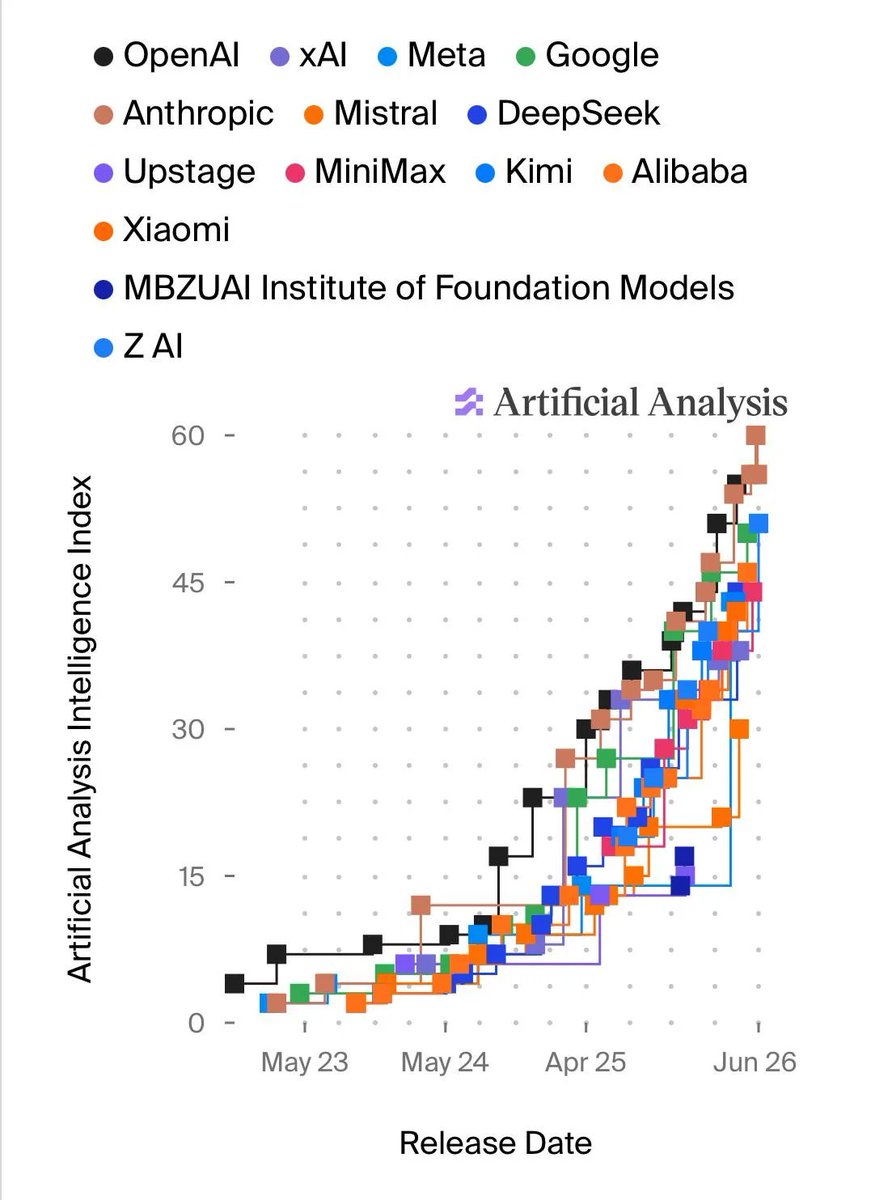
Industry analysts note that access to Blackwell technology could provide DeepSeek with computational advantages that might narrow or even eliminate the performance gap between Chinese and American AI models. This comes at a particularly sensitive time, as OpenAI recently launched GPT-4o, Anthropic released Claude Opus 4.6, and Google continues advancing its Gemini series.
The Competitive Landscape Braces for Impact
The timing of this revelation is particularly striking. According to sources, DeepSeek's new model is expected to drop next week, creating immediate competitive pressure on established players. Google, OpenAI, and Anthropic—the three dominant forces in Western AI development—are reportedly "bracing" for what could be a market-shaking release.
DeepSeek has already demonstrated impressive capabilities with previous models, but access to Blackwell-class hardware could represent a quantum leap in performance. The company's growing reputation for producing efficient, capable models at lower costs has already positioned it as a disruptive force. With potential Blackwell-enhanced capabilities, DeepSeek could challenge the fundamental assumptions about AI leadership that have dominated the industry since ChatGPT's explosive debut.
Geopolitical Implications of Technological Leakage
This development raises serious questions about the effectiveness of export controls in an interconnected global technology ecosystem. The Reuters report suggests that chip smuggling rumors have circulated since late last year, indicating potential systemic vulnerabilities in technology transfer restrictions.
The implications extend far beyond commercial competition. AI capabilities increasingly represent strategic national assets with military, economic, and diplomatic significance. If Chinese companies can consistently access cutting-edge American semiconductor technology despite export bans, the entire framework of technological containment policies may require reevaluation.
Market Dynamics and Innovation Acceleration
DeepSeek's potential breakthrough comes during a period of intense innovation across the AI sector. OpenAI's GPT-4o represents significant advances in multimodal understanding, Anthropic's Constitutional AI approach offers distinctive safety advantages, and Google's Gemini series continues to push boundaries in scale and integration. A powerful new entrant from China could accelerate innovation cycles across the board as competitors respond to unexpected pressure.
This competitive dynamic could benefit consumers and businesses through faster innovation and potentially lower costs, but it also raises questions about safety standards, ethical development practices, and the potential for a fragmented global AI ecosystem with competing technical standards and values.
The Verification Challenge
As with any unconfirmed technological claim, the AI community faces significant verification challenges. Without direct access to DeepSeek's infrastructure or detailed technical specifications, independent assessment of their Blackwell usage remains speculative. The coming weeks will likely see intense scrutiny of DeepSeek's next release, with researchers and competitors analyzing performance characteristics for evidence of hardware advantages.
This verification challenge itself highlights broader issues in AI transparency and benchmarking. As models become more sophisticated and training processes more opaque, assessing relative capabilities and underlying technological advantages grows increasingly complex.
Looking Ahead: A New Phase of Global AI Competition
The potential emergence of a Blackwell-trained DeepSeek model represents more than just another product release—it signals a possible inflection point in the global AI race. If Chinese companies can consistently access and leverage cutting-edge American semiconductor technology despite export controls, the geographical distribution of AI leadership may evolve in unexpected directions.
For American AI leaders, this development underscores the challenges of maintaining technological advantages in a globally connected innovation ecosystem. For the broader AI community, it highlights the accelerating pace of competition and the increasingly geopolitical dimensions of artificial intelligence development.
As next week's anticipated release approaches, the entire AI industry watches with heightened attention, aware that the outcome could reshape competitive dynamics, technological trajectories, and international relations in the age of artificial intelligence.
Source: Reuters via The Decoder