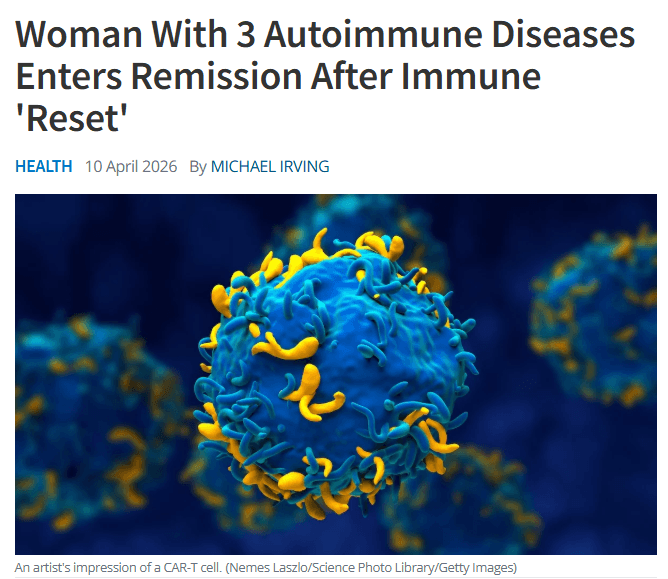
In a landmark medical breakthrough, a patient who required daily blood transfusions for over a decade to manage three severe autoimmune diseases is now in complete remission. The cure was achieved not through a traditional drug or transplant, but by using artificial intelligence to reprogram her own immune cells. This represents the first documented case of using this AI-guided cellular therapy to achieve complete remission for multiple concurrent autoimmune conditions.
Key Takeaways
- For the first time, a patient with three autoimmune diseases is in complete remission after doctors used AI to reprogram her own immune cells.
- This follows over a decade of requiring daily blood transfusions.
What Happened
The patient, a woman suffering from a combination of autoimmune disorders, had been dependent on daily blood transfusions for more than ten years—a grueling regimen that managed symptoms but did not address the root cause. Her immune system was fundamentally malfunctioning, attacking her own body.
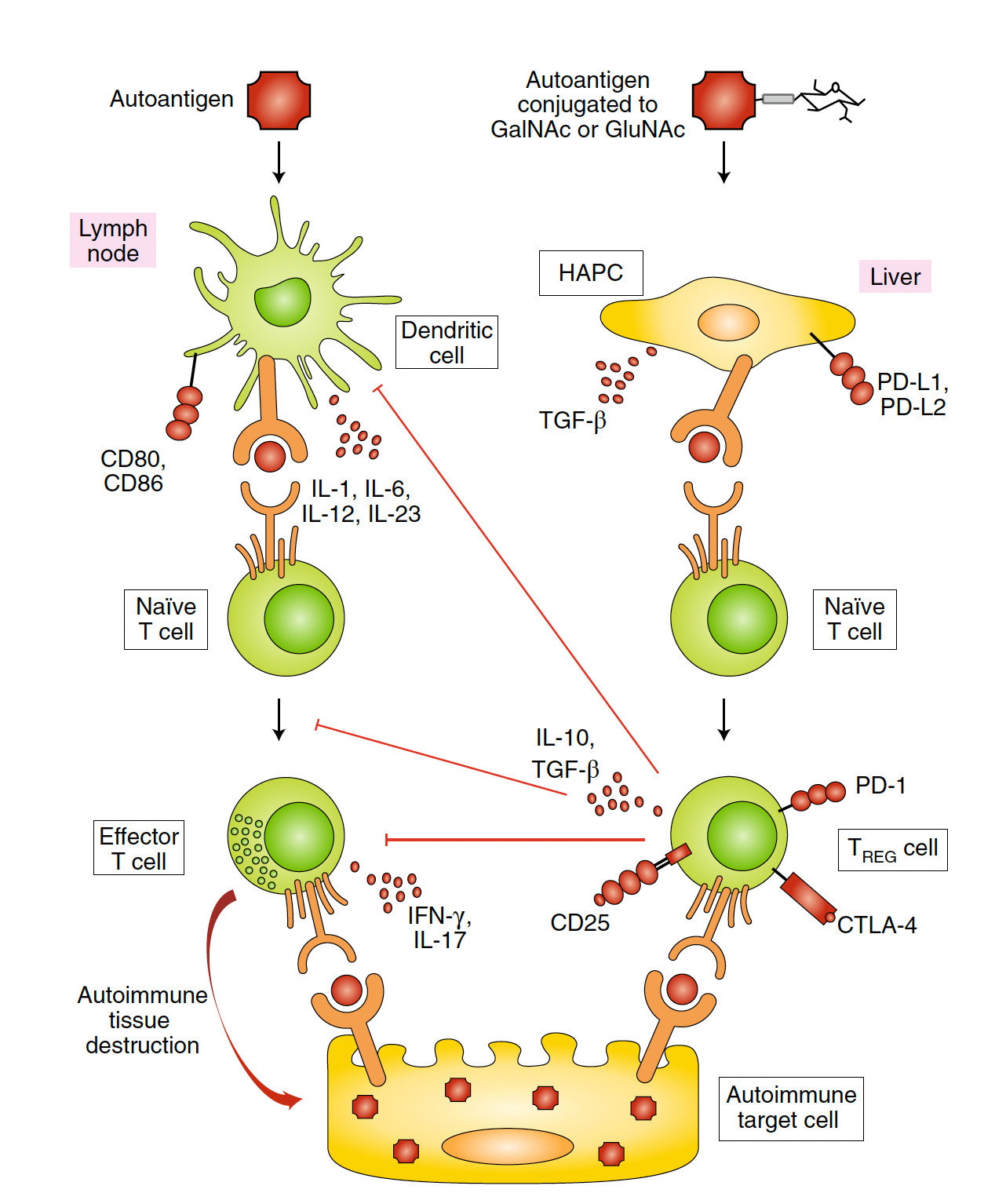
Doctors turned to an emerging approach: cellular reprogramming. Using advanced AI models, they analyzed the patient's immune cells, identified the dysfunctional pathways, and designed a precise intervention to "reprogram" those cells. The AI likely helped map the complex regulatory networks of the immune system and predict the genetic or protein-level modifications needed to reset the cells to a healthy, non-aggressive state.
After the treatment, all three of her autoimmune diseases entered complete remission. The daily transfusion dependency has ended.
Context: AI in Cellular Therapy
This case sits at the convergence of two rapidly advancing fields: AI-driven drug discovery and cell therapy. Traditionally, cell therapies like CAR-T have been spectacularly successful against certain cancers by engineering a patient's T-cells to attack tumors. Applying similar logic to autoimmune diseases—where the goal is to stop an attack—is a more recent and complex challenge.
AI's role is critical in decoding the immense complexity of immune system signaling. Machine learning models can process genomic, proteomic, and clinical data to identify the key "levers" to pull in a cell's programming. This moves treatment from broad immunosuppression (which has serious side effects) to precision immune resetting.
The Technical Frontier
While the source tweet does not specify the exact AI models or biological techniques used, the paradigm is clear. The workflow likely involved:
- Single-cell analysis: Sequencing the patient's immune cells to create a high-resolution map of their state.
- AI-powered target identification: Using models trained on immunological data to pinpoint the master regulators responsible for the autoimmune response.
- Therapeutic design: Determining whether to use gene editing (like CRISPR), RNA interference, or other modalities to alter cell behavior.
- Manufacturing & reinfusion: Extracting cells, modifying them ex vivo, and returning them to the patient.
The breakthrough is not just the remission but the multi-disease resolution. Curing one autoimmune condition is a milestone; simultaneously resolving three suggests the therapy addressed a fundamental, shared immune dysregulation.
What This Means in Practice

For patients: This is a proof-of-concept that debilitating, lifelong autoimmune diseases may be curable, not just manageable. It offers a potential off-ramp from chronic, burdensome treatments like daily transfusions.
For medicine: It validates a new therapeutic category: AI-designed cellular reprogramming for autoimmunity. The success here will accelerate clinical trials for other conditions like lupus, multiple sclerosis, and type 1 diabetes.
gentic.news Analysis
This case is a direct and powerful validation of a trend we have been tracking: the migration of AI from in-silico discovery to in-vivo therapeutic control. It's a logical—but breathtaking—extension of work in AI for protein folding (like DeepMind's AlphaFold) and gene editing design. The key advancement here is the application to polygenic, systemic immune disorders, a problem far more complex than targeting a single cancer antigen.
This success will inevitably intensify investment and competition in the AI-immunology space. We can expect established biotechs with cell therapy platforms (like CRISPR Therapeutics, which has partnered with AI drug discovery firms) and large pharma to fast-track similar programs. The major technical hurdles will be scaling the complex, personalized manufacturing process and ensuring long-term safety—reprogrammed cells must not become cancerous or lose their therapeutic effect.
For AI practitioners, the takeaway is the growing premium on biology-grounded models. The AI systems that succeed in this domain won't be the largest language models, but specialized, multimodal systems trained on single-cell data, clinical outcomes, and gene regulatory networks. This case study proves that when such models are tightly integrated with clinical science, they can produce results that were previously unimaginable.
Frequently Asked Questions
What autoimmune diseases were cured?
The source tweet does not specify the exact three diseases, noting only that they were severe enough to require a decade of daily blood transfusions. The significance lies in the multi-disease remission, suggesting the therapy corrected a root immune system fault.
How does AI reprogram immune cells?
While the exact method is not detailed, the general approach involves using machine learning models to analyze a patient's immune cell data, identify the faulty genetic or signaling pathways causing the autoimmune attack, and then design a precise intervention—such as CRISPR gene editing or RNA-based modulation—to "reprogram" those cells to a normal, non-aggressive state before reinfusing them into the patient.
Is this treatment available now?
No. This is a first-in-human case report, representing a landmark proof-of-concept. It will likely take several years of further clinical trials to confirm safety and efficacy in larger patient groups before such a therapy could be approved for widespread clinical use.
How is this different from CAR-T therapy?
CAR-T therapy reprograms immune cells (T-cells) to attack a specific target, like a cancer cell. This new approach reprograms immune cells to stop attacking—to correct a misguided autoimmune response. The engineering goal is the opposite: inducing tolerance instead of enhancing killing.