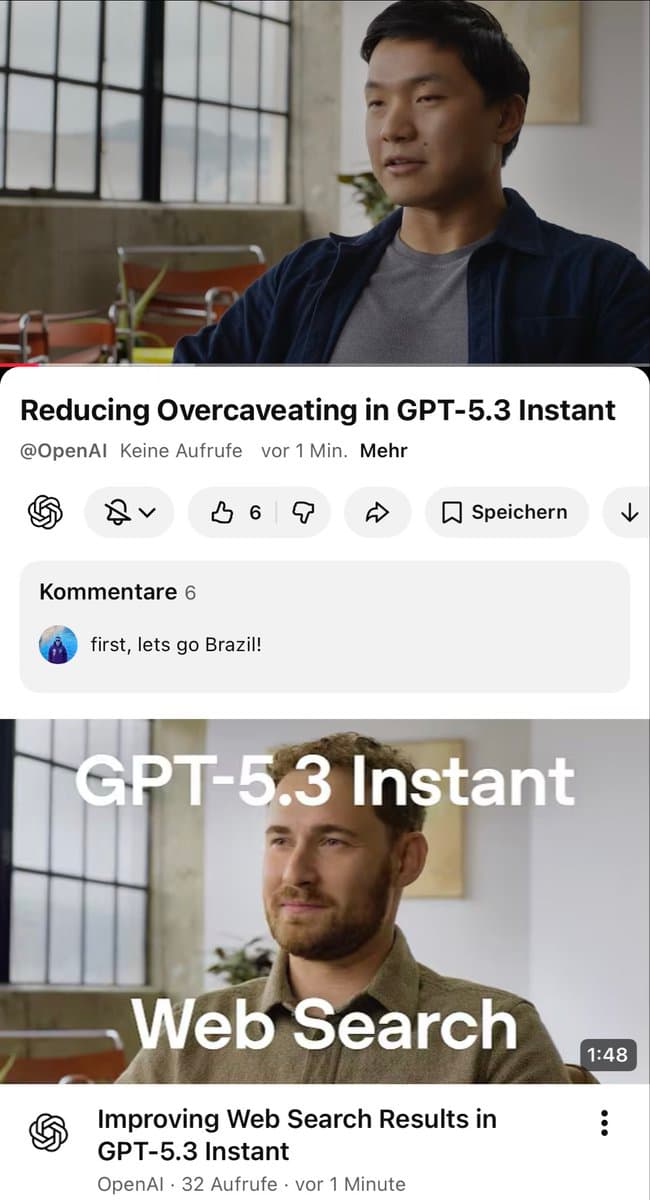
The AI video generation landscape has welcomed a significant new player with the official release of Kling AI version 5.3. Announced via social media by developer Kimi, the launch has generated immediate buzz within the creative technology community, with early adopters already publishing demonstration videos on YouTube.
What We Know About Kling AI 5.3
While detailed technical specifications from the official source remain limited at this initial announcement phase, the launch of version 5.3 represents a milestone update to the Kling AI platform. Based on the naming convention and typical development patterns in AI video generation tools, this release likely builds upon previous versions with enhancements to video quality, generation speed, prompt understanding, or new creative features.
AI researcher and developer Kimi announced simply: "Release day!! YouTube videos are already up! 5.3 incoming" alongside a link to what appears to be demonstration content. This approach of launching alongside immediate user-generated content demonstrates a modern distribution strategy that leverages community validation and real-world testing from day one.
The Context: AI Video Generation's Rapid Evolution
Kling AI enters a competitive but rapidly expanding field. The past year has seen remarkable advances in AI video generation, with platforms like OpenAI's Sora, Runway's Gen-2, and Pika Labs demonstrating increasingly sophisticated capabilities. What began as experimental technology generating short, often unstable clips has evolved into tools capable of producing coherent, multi-second videos with reasonable consistency.
This evolution matters because video content dominates digital communication and entertainment. Traditional video production requires significant resources—equipment, expertise, time, and budget. AI video generation promises to democratize this medium, potentially enabling educators, marketers, content creators, and artists to produce visual content with dramatically reduced barriers to entry.
Early Community Response and YouTube Demonstrations
The immediate appearance of YouTube videos showcasing Kling AI 5.3's capabilities provides valuable insight into its practical performance. Early adopters typically test boundary cases—complex prompts, specific styles, and challenging scenarios—offering a more comprehensive view of capabilities than controlled demos alone.
These community-generated demonstrations serve multiple purposes:
- Validation: Real user content demonstrates the tool's accessibility and immediate utility
- Benchmarking: Allows comparison against existing AI video platforms
- Inspiration: Shows creative applications that might not occur to the development team
This launch strategy reflects an understanding that in the AI tools market, community adoption and content creation are as important as technical specifications.
Technical Implications and Industry Position
While awaiting detailed technical documentation, we can analyze Kling AI's position within the broader ecosystem. The version number (5.3) suggests this is not an initial release but rather a significant update to an established platform. This indicates previous development iterations and presumably a more mature product compared to completely new entrants.
The timing is particularly noteworthy. As major players like OpenAI continue to refine their video generation models, smaller, specialized platforms like Kling AI may compete through specific features, accessibility, or unique creative capabilities. The AI video generation market appears to be following a pattern similar to image generation—initial dominance by a few major players, followed by specialization and niche competition.
Creative and Commercial Applications
The practical implications of advanced AI video generation extend across multiple sectors:
- Content Creation: YouTubers, social media influencers, and digital marketers can produce B-roll, transitions, and visual elements more efficiently
- Education: Teachers and instructional designers can create custom visual explanations without video production expertise
- Prototyping: Filmmakers and advertisers can visualize concepts before committing to full production
- Personalization: Businesses can generate customized video content at scale for marketing or communication
Kling AI 5.3's specific capabilities will determine its optimal use cases, but the general trend toward more accessible, higher-quality AI video generation suggests these applications will only expand.
Challenges and Considerations
Despite the excitement, AI video generation faces ongoing challenges:
- Consistency: Maintaining character consistency, physics, and narrative coherence across longer generations
- Control: Providing creators with precise control over composition, motion, and style
- Computational Requirements: Balancing quality with accessibility and cost
- Ethical Considerations: Addressing copyright, misinformation, and creative labor implications
Each new entrant like Kling AI must navigate these challenges while delivering unique value to users.
Looking Forward: The Future of AI Video
The launch of Kling AI 5.3 represents more than just another tool—it's another data point in the accelerating evolution of creative AI. As these technologies mature, we're likely to see:
- Specialization: Different platforms excelling at specific styles or applications
- Integration: AI video generation becoming embedded in broader creative suites
- Hybrid Workflows: Professionals combining AI-generated elements with traditional production
- New Creative Forms: Entirely new types of visual media enabled by these capabilities
Conclusion
The release of Kling AI 5.3, announced by developer Kimi and immediately demonstrated by early adopters on YouTube, represents another step forward in making sophisticated video generation accessible through artificial intelligence. While technical details remain to be fully explored, the community-driven launch approach and version numbering suggest a platform with existing development history and focused improvements.
As with all AI creative tools, the true test will come through sustained use and the creative work it enables. What's clear is that the AI video generation field continues to expand with new options for creators, promising to further transform how visual content is produced and consumed in the digital age.
Source: Announcement by AI developer Kimi via social media, with accompanying user-generated demonstration content on YouTube.