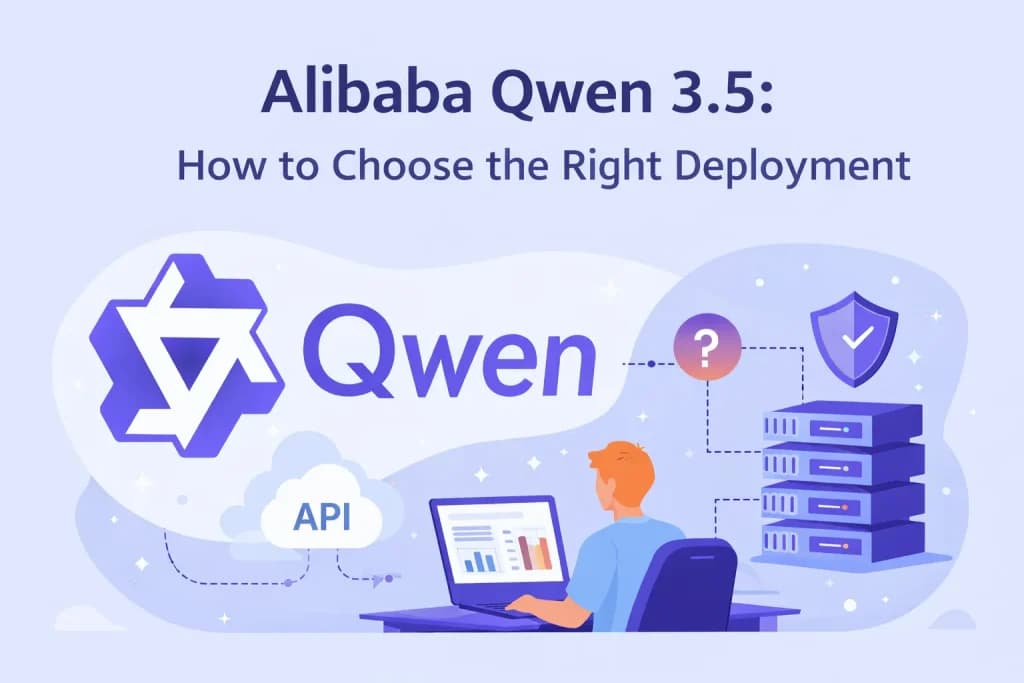
Alibaba has made a significant strategic shift with its Qwen large language model series, restricting access to its most capable model, Qwen 3.6 Plus, to API-only availability. This move mirrors the approach taken by Western AI leaders like OpenAI, Anthropic, and Google, creating a clear split between freely available base models and paid, frontier-level capabilities.
The announcement came via industry observer George Pu, who noted that while the smaller Qwen 3.6 model remains freely available for download and local use, the "version that rivals Claude for agentic coding" is now accessible only through Alibaba's API services. This creates a parallel to the OpenAI model strategy where GPT-4-level capabilities remain behind API walls while smaller models like GPT-3.5 Turbo remain more accessible.
Key Takeaways
- Alibaba has moved its most capable Qwen 3.6 Plus model to API-only access, while keeping the smaller Qwen 3.6 free.
- This aligns the company's strategy with OpenAI, Anthropic, and Google's paid frontier model approach.
What Changed: The API-Only Frontier Model
According to the announcement, Alibaba has implemented a tiered access strategy:
- Qwen 3.6 Plus: Now available exclusively through Alibaba's API services, positioned as the company's frontier model capable of "agentic coding" tasks that rival Anthropic's Claude models
- Qwen 3.6: Remains freely available for download and local deployment, serving as the base model tier
- Qwen 3.5: Continues to be available for local deployment, which Pu notes has been "good enough for agentic coding on a small chip"
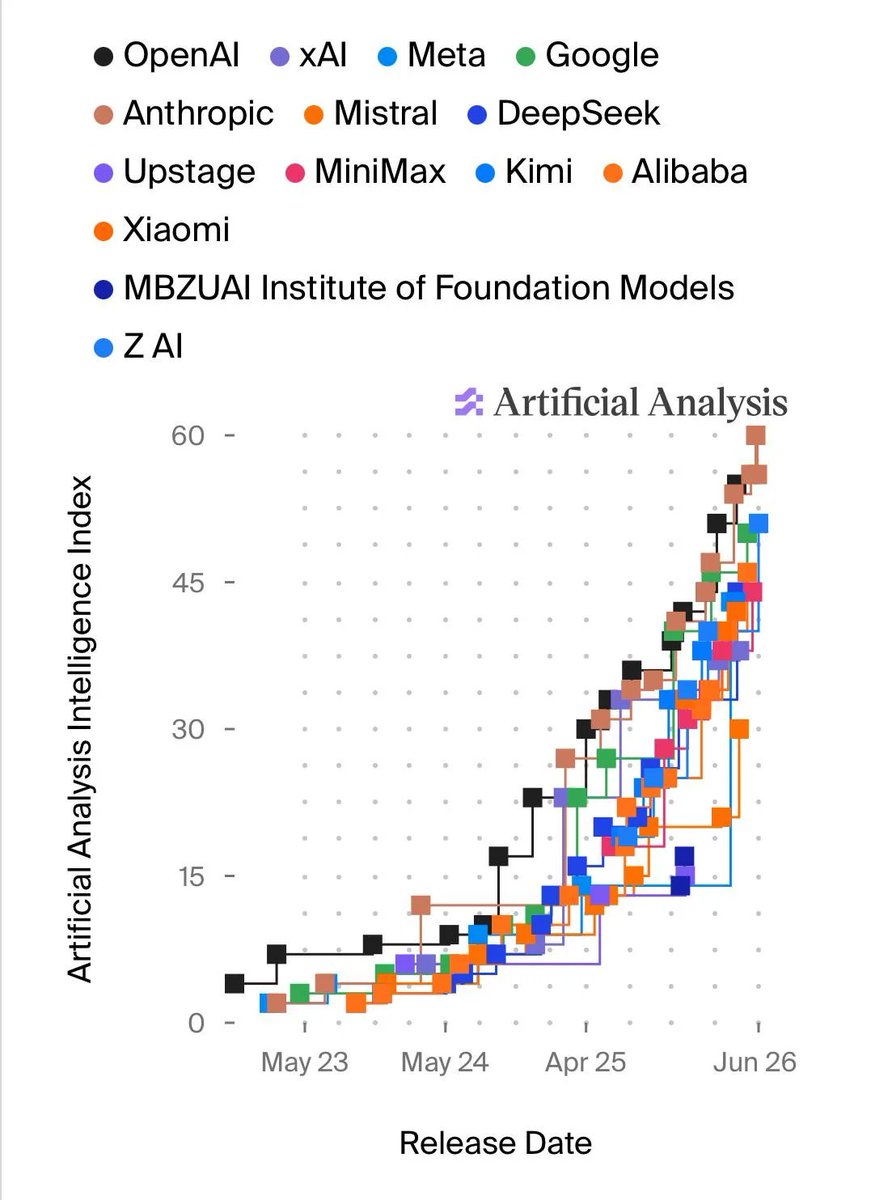
This represents a departure from Alibaba's previous approach with the Qwen series, which has generally offered both downloadable and API-accessible versions of its models. The company is now explicitly adopting what Pu describes as "Free at the base. Paid at the frontier"—a strategy that has become standard among leading Western AI companies.
Market Context: The Global Shift to Paid Frontier Models
Alibaba's move places it firmly within the emerging global consensus on AI model distribution:
OpenAI GPT-4/4.5 API-only GPT-3.5 Turbo downloadable/API Anthropic Claude 3.5 Sonnet API-only Claude 3 Haiku more accessible Google Gemini Ultra/2.0 API-focused Gemini Pro more open Alibaba Qwen 3.6 Plus API-only Qwen 3.6 freely downloadableThis strategic alignment suggests that Chinese AI companies are converging on similar business models as their Western counterparts, despite operating in different regulatory environments. The move also indicates increasing confidence in Qwen's capabilities at the frontier level, with Alibaba positioning 3.6 Plus as competitive with Claude for complex coding tasks.
Technical Implications for Developers
The shift has practical implications for AI practitioners:
Local Development: Developers who have been running Qwen 3.5 locally for agentic coding tasks now face a decision—continue with the older, freely available model or migrate to API-based access for the latest capabilities
Cost Structure: Organizations using Qwen models will need to factor API costs into their budgeting, similar to how they budget for OpenAI or Anthropic API usage
Architecture Decisions: The availability split may influence system architecture decisions, with some applications using local Qwen 3.6 for simpler tasks while routing complex agentic coding to the paid 3.6 Plus API
Pu's observation that "the window to own the frontier is closing" reflects a broader trend in the AI industry: the most capable models are increasingly becoming services rather than products that organizations can fully own and deploy internally.
The Chinese AI Landscape Adjustment
Alibaba's move represents a significant adjustment in the Chinese AI ecosystem, which has generally been more open with model weights than Western counterparts. While companies like Baidu and Tencent continue to release downloadable models, Alibaba's strategic shift toward API-only frontier access suggests:
- Increasing confidence in Qwen's competitive positioning against Western models
- Recognition of the economic reality that frontier model development requires sustainable revenue streams
- Alignment with global trends in AI commercialization
- Potential pressure to monetize AI research investments more directly
The fact that Pu frames this as "China just joined the same split" indicates this may represent a turning point in how Chinese tech giants approach AI model distribution.
gentic.news Analysis
Alibaba's strategic pivot to API-only access for Qwen 3.6 Plus represents a significant maturation of the Chinese AI market and reflects broader industry trends we've been tracking. This move follows Alibaba's previous aggressive positioning of Qwen 2.5 as an open-weight alternative to Western models, suggesting the company is now balancing open-source ideals with commercial realities.
The timing is particularly noteworthy given the ongoing compute and talent competition between U.S. and Chinese AI labs. By adopting the Western "paid frontier, free base" model, Alibaba is signaling that its Qwen series has reached sufficient quality to command premium pricing, while also acknowledging the enormous costs of training and maintaining frontier models. This aligns with our coverage of Anthropic's similar strategic shift with Claude 3.5 Sonnet, where we noted the economic imperative behind restricting top-tier model access.
From a competitive standpoint, this move positions Alibaba more directly against OpenAI and Anthropic in the global API services market, rather than just competing in the open-weights space. The specific mention of "agentic coding" capabilities rivaling Claude suggests Alibaba is targeting the same developer and enterprise use cases that have driven Claude's adoption. This could intensify competition in the coding assistant segment, potentially putting pressure on pricing and feature development across all major providers.
Practically, this creates a clear decision point for developers: invest in local infrastructure for the freely available Qwen 3.6, or accept the recurring costs of API access for the more capable 3.6 Plus. This tradeoff between control and capability is becoming a fundamental architectural decision in AI application development.
Frequently Asked Questions
What is Qwen 3.6 Plus?
Qwen 3.6 Plus is Alibaba's frontier large language model, specifically optimized for agentic coding tasks. According to the announcement, it rivals Anthropic's Claude models in coding capabilities. As of this change, it is only accessible through Alibaba's API services and is no longer available for download or local deployment.
Can I still download any Qwen models for free?
Yes, the smaller Qwen 3.6 model remains freely available for download and local deployment. Additionally, the previous generation Qwen 3.5 series continues to be available for local use. Only the top-tier Qwen 3.6 Plus has been restricted to API-only access.
How does Alibaba's new strategy compare to OpenAI's approach?
Alibaba's new model access strategy directly mirrors OpenAI's approach: free or more accessible base models (GPT-3.5 Turbo for OpenAI, Qwen 3.6 for Alibaba) alongside paid, API-only frontier models (GPT-4/4.5 for OpenAI, Qwen 3.6 Plus for Alibaba). This represents a convergence in business models between Western and Chinese AI leaders.
What does "agentic coding" mean in this context?
Agentic coding refers to AI systems that can perform complex software development tasks autonomously or with minimal human guidance—planning, writing, testing, and debugging code across multiple files and steps. The specific comparison to Claude suggests Qwen 3.6 Plus excels at these multi-step programming tasks that require reasoning and tool use.