Alibaba Group's artificial intelligence division has suffered a major setback with the departure of the technical leader behind its Qwen large language model series. The exit, reported by industry observers on social media platform X, represents what many are calling a "huge loss" for the Chinese tech giant's AI ambitions at a crucial moment in global AI competition.
The Qwen Legacy and Its Architect
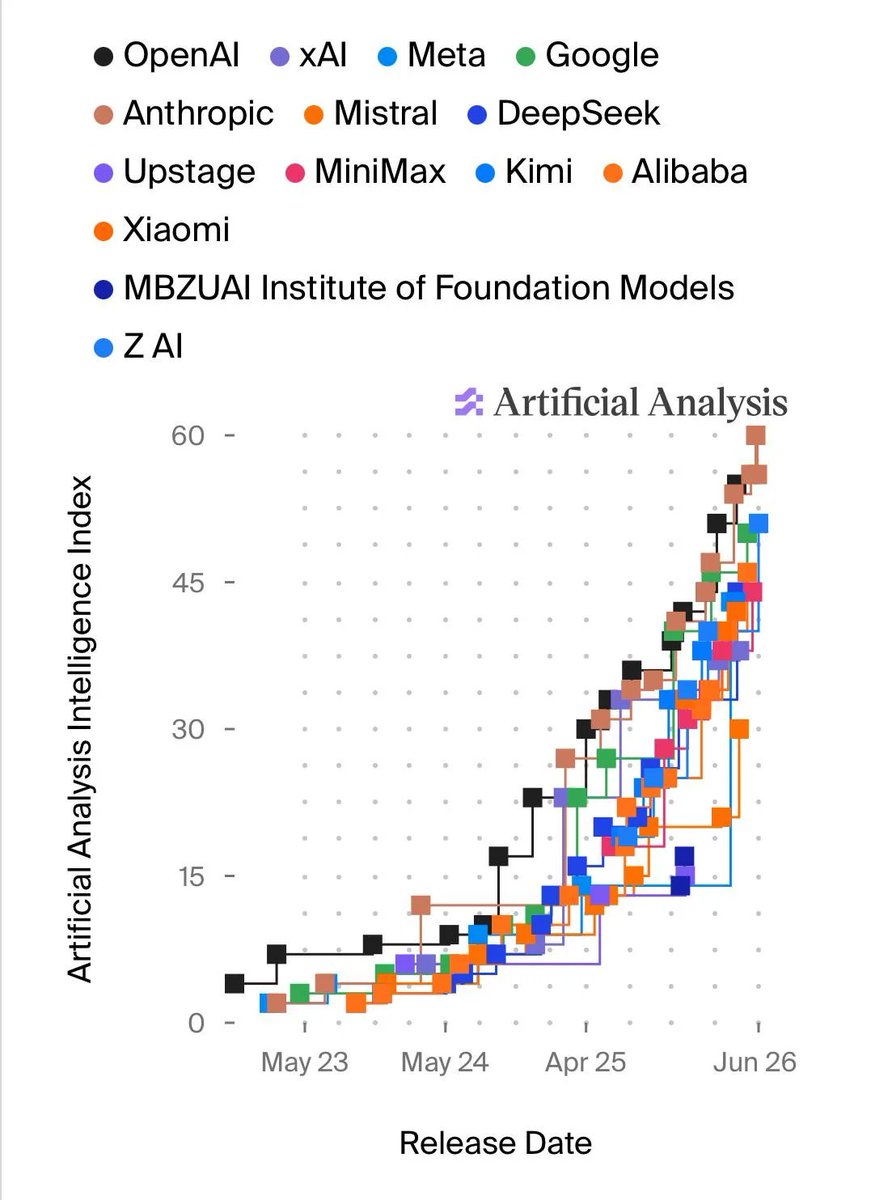
Qwen has emerged as one of China's most promising open-source large language model families, competing directly with international counterparts like Meta's Llama series and various proprietary models. The technical lead behind Qwen's development played a pivotal role in creating models that have demonstrated competitive performance across multiple benchmarks while maintaining accessibility through open-source releases.
Under this leadership, Qwen evolved through multiple iterations, with Qwen2 recently making headlines for its strong performance in coding, mathematics, and reasoning tasks. The models have been particularly notable for their multilingual capabilities and relatively permissive licensing compared to some Western alternatives.
Timing and Competitive Context
The departure comes at a particularly sensitive time for Alibaba and China's broader AI ecosystem. Chinese tech companies face increasing pressure from both international competition and domestic regulatory environments. With U.S. restrictions on advanced semiconductor exports creating hardware challenges, retaining top AI talent has become even more critical for maintaining technological parity.
Alibaba has been restructuring its cloud and AI divisions over the past year, seeking to improve efficiency and focus resources on strategic priorities. The company recently canceled plans to spin off its cloud intelligence group, citing market conditions and U.S. chip export restrictions. Against this backdrop of organizational change, the loss of key technical leadership raises questions about continuity in Alibaba's AI development roadmap.
Implications for China's AI Ecosystem
China's artificial intelligence landscape has become increasingly competitive, with companies like Baidu, Tencent, and emerging startups like Zhipu AI and 01.AI vying for talent and market position. The departure of a prominent technical leader from a major player like Alibaba could trigger talent redistribution across the ecosystem, potentially strengthening competitors while weakening Alibaba's position.
The open-source nature of Qwen adds another layer of complexity. While the models will continue to be available, the vision and technical direction behind future iterations may shift significantly without their original architect. This could affect the pace of innovation and the model's competitive positioning against both Chinese and international alternatives.
Global AI Talent Wars Intensify
This development highlights the intensifying global competition for AI talent. As artificial intelligence becomes increasingly central to technological and economic competitiveness, individuals with proven track records in developing cutting-edge models command significant attention and resources. The movement of such individuals between companies, countries, and research institutions can dramatically reshape competitive landscapes.
For China specifically, retaining top AI talent has become a strategic priority amid geopolitical tensions that complicate international collaboration and recruitment. The departure of key technical leadership from major projects like Qwen underscores the challenges Chinese tech giants face in maintaining complete talent ecosystems domestically.
Future Prospects for Qwen and Alibaba AI
Alibaba now faces the dual challenge of maintaining momentum in Qwen's development while potentially restructuring its AI leadership. The company may need to accelerate succession planning, consider strategic hires, or reorganize its AI research divisions to compensate for the loss.
The broader Qwen community of developers and users will be watching closely to see how the project evolves. Open-source projects often demonstrate resilience through community contributions, but the loss of visionary technical leadership can sometimes lead to fragmentation or directional uncertainty.
For Alibaba's competitors, this development may present recruitment opportunities or strategic advantages in the race to develop the next generation of AI models. The coming months will reveal whether this personnel change represents a temporary setback or a more significant shift in China's AI competitive landscape.
Source: Report from @kimmonismus on X (formerly Twitter) regarding departure of Qwen's technical lead from Alibaba.