The Strategic Pivot
During its quarterly earnings report, Alibaba Group disclosed a bold financial target: to generate over $100 billion in revenue from its artificial intelligence and cloud computing businesses over the next five years. This announcement arrives as the Chinese tech giant navigates a period of significant transition, with overall revenue for the quarter ending December 31, 2025, falling short of analyst expectations at 284.8 billion Chinese yuan ($41.4B).
The company attributed a 74% year-over-year decline in income from operations to substantial investments in "quick commerce, user experiences and technology." This financial context underscores the scale of Alibaba's bet on AI as its next major growth engine.
Defining the 'Agentic AI Era'
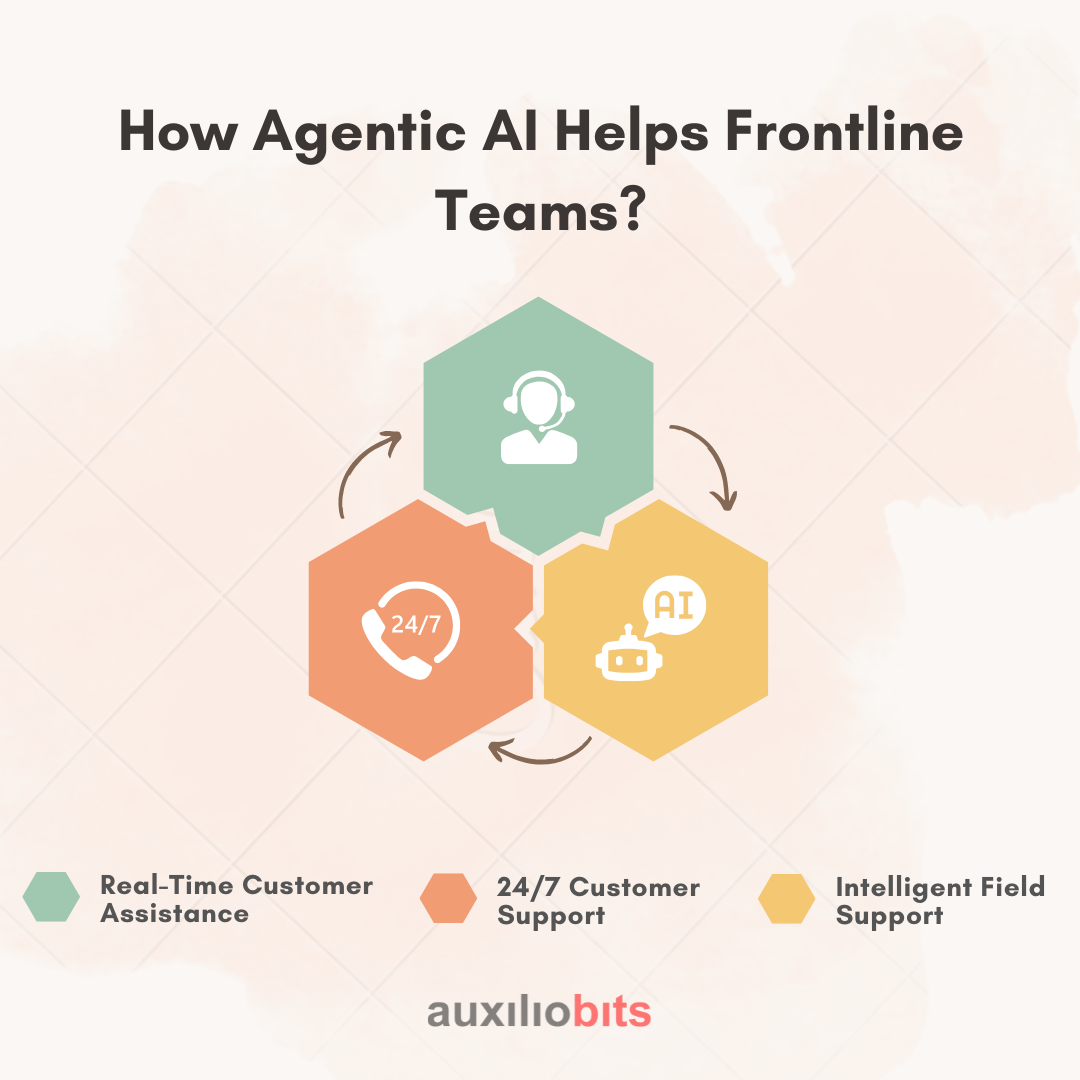
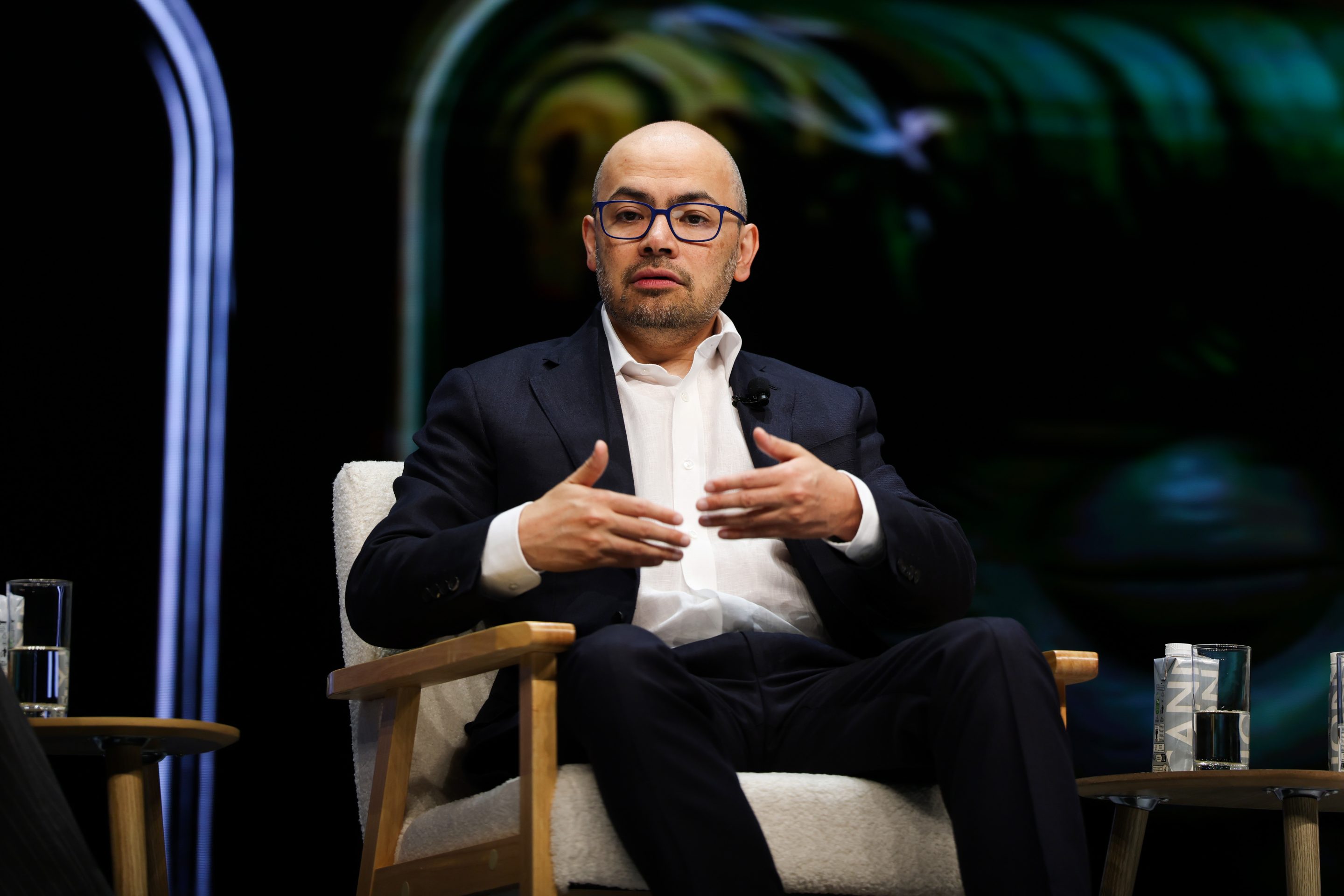
Central to this strategy is Alibaba's focus on what Group CEO Eddie Wu termed the "agentic AI era." On the earnings call, Wu drew a distinction between previous phases of AI development—where large language models (LLMs) were trained on static datasets—and this new era. He described it as one where AI agents can act autonomously to complete commerce transactions with minimal human input.
"I think what’s most different and most important about the agentic AI era is the need to achieve this tight integration between the application and model. That’s the critical priority," Wu stated. This vision requires LLMs to be trained on a continuous, real-time stream of consumer data, necessitating deeper integration between Alibaba's vast suite of applications (like Taobao and Tmall) and its underlying AI models.
Reorganization and Investment
To execute this vision, Alibaba is undergoing a major operational overhaul. Earlier in the week, the company announced the reorganization of its AI operations under a new business unit called Alibaba Token Hub. This move follows the reported departure of a key AI researcher, Junyang Lin, from a marquee project, signaling internal shifts as the company aligns its structure with its strategic goals.
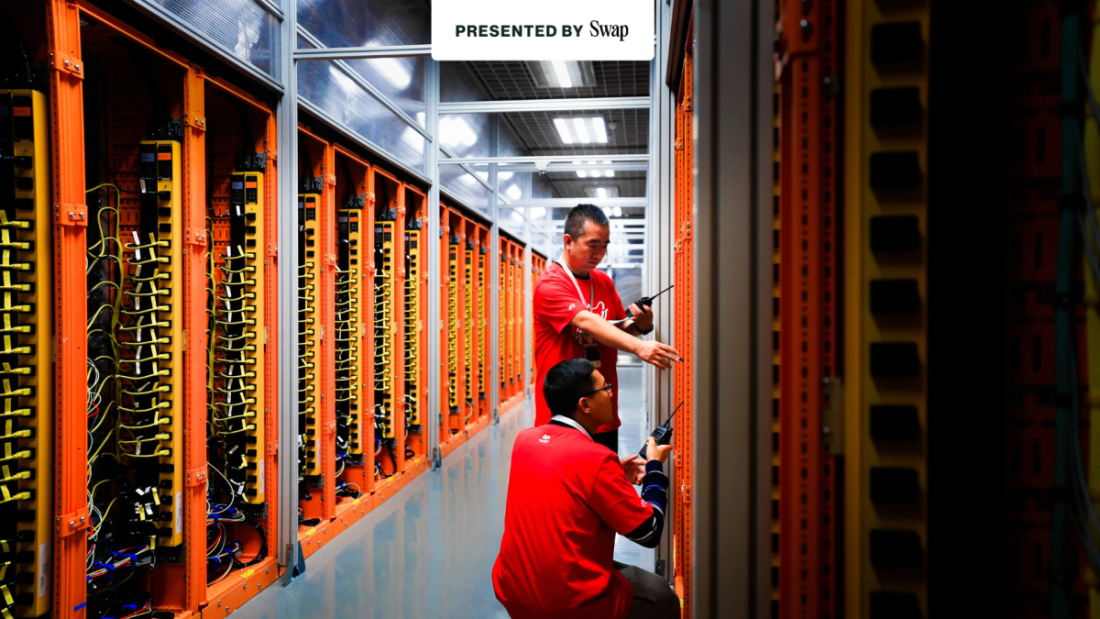
The financial commitment backing this pivot is staggering. Last year, Alibaba pledged to invest at least $53 billion in AI infrastructure over the next three years. This capital is directed toward building the computational backbone required for developing and deploying agentic AI at scale.
The Technological Core: Qwen LLMs
At the heart of Alibaba's AI ambition is its family of large language models, Qwen. First released as open-source models in 2023, the Qwen series forms the foundational technology upon which Alibaba's agentic future is being built. The company's strategy hinges on leveraging these models, combined with its unparalleled e-commerce data and cloud infrastructure, to create a new generation of autonomous commercial agents.
This announcement positions Alibaba in direct competition with other global tech giants, like Amazon, who are also racing to develop agentic AI systems capable of facilitating end-to-end transactions. The goal is to move beyond conversational chatbots to create AI that can perceive, plan, and execute complex tasks—like shopping—independently.