Alibaba Group Holding is launching a new service that will provide millions of merchants on its Taobao and Tmall platforms with autonomous AI agents, creating what the company calls a 24/7 "digital workforce." The feature, announced at the Tmall TopTalk merchant summit in Shanghai and slated for release by the end of March, represents one of the largest-scale deployments of agentic AI in e-commerce to date.
What's New: Agentic AI Built on Business Advisor
The new service will be integrated into Alibaba's existing merchant tool, Business Advisor. It is designed to automate core operational processes that currently require manual intervention from merchants or their staff. According to announcements made at the summit, the AI agents will handle three primary functions:
- Automated Customer Service: The agents will engage with shoppers, answering queries and resolving issues without human oversight.
- Dynamic Voucher Distribution: They will autonomously create and distribute promotional coupons and vouchers based on real-time shopping behavior and inventory levels.
- Real-Time Price Adjustment: The system will monitor market conditions and competitor pricing to automatically adjust product prices to optimize sales and margins.
Xu Haipeng, head of merchant platforms for Taobao and Tmall, stated that the "emergence of OpenClaw-like capabilities has made execution-oriented AI a reality." He projected that "in the next one to two years, we expect the standard operating model [of e-commerce] to evolve into a collaboration between human and digital employees."
Technical Context and Alibaba's AI Stack
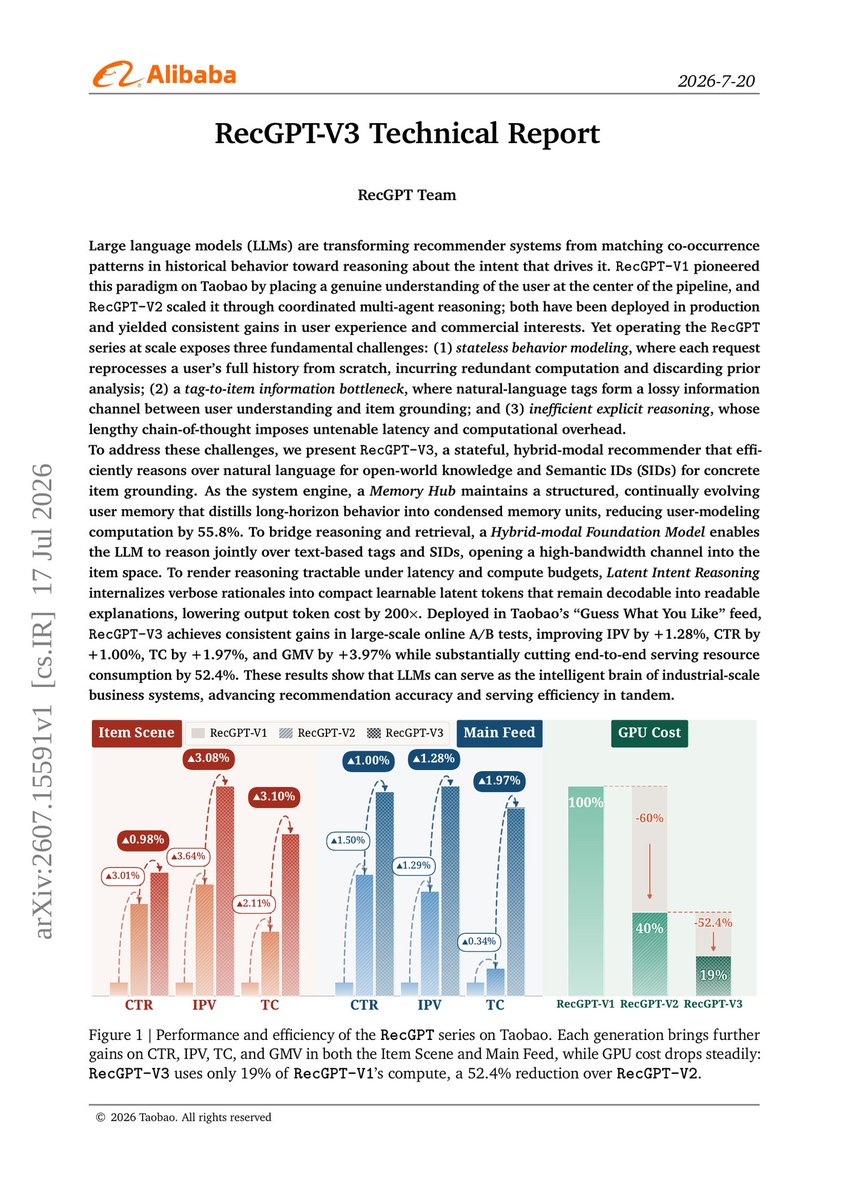
This deployment is not an isolated experiment but part of a sustained, aggressive push by Alibaba into AI. The company has been building the foundational models for such agentic systems through its open-source Qwen series of large language models. As noted in our recent coverage, Alibaba has been "aggressively releasing open-source AI models (Qwen) as part of China's ecosystem development strategy" (March 25, 2026).
The AI agents will almost certainly be powered by a version of the Qwen model family, likely fine-tuned specifically for e-commerce tasks and integrated with Taobao/Tmall's APIs to take actions like updating product listings or issuing refunds. This follows Alibaba's pattern of developing and deploying its own AI infrastructure, as seen with the recent launch of the XuanTie C950 CPU, a RISC-V processor with native LLM support (March 24, 2026).
Market Position and Competitive Landscape
Taobao and Tmall constitute the largest online marketplace in China. Deploying AI agents at this scale—to "millions of merchants"—is a defensive and offensive move. It aims to lock in merchants by providing powerful automation tools while boosting platform efficiency and user engagement. It directly counters similar moves by competitors like Baidu and Tencent, with whom Alibaba is in constant competition for dominance in China's digital economy.
The announcement explicitly ties the acceleration of this project to the "recent frenzy fuelled by OpenClaw." OpenClaw, an open-source autonomous AI agent framework, has demonstrated the viability of agentic systems, lowering the technical and conceptual barrier for large-scale deployments. This creates a competitive imperative for platform giants like Alibaba to integrate similar capabilities or risk being seen as lagging.
Implementation Challenges and Merchant Impact
For merchants, the promise is reduced operational overhead and the ability to run stores 24/7. However, successful implementation hinges on the reliability of the underlying AI. As our analysis on March 25 highlighted, autonomous AI agents have only recently "crossed a critical reliability threshold." Furthermore, "technical analysis reveals agent coordination trap causing exponential failure rates in multi-agent systems."
Alibaba will need to ensure its agents operate within strict guardrails, especially for sensitive tasks like dynamic pricing, which could trigger regulatory scrutiny if it leads to perceived collusion or unfair practices. The integration with Business Advisor suggests the agents will have access to vast amounts of first-party sales and inventory data, which could significantly improve their decision-making over generic agents.
gentic.news Analysis
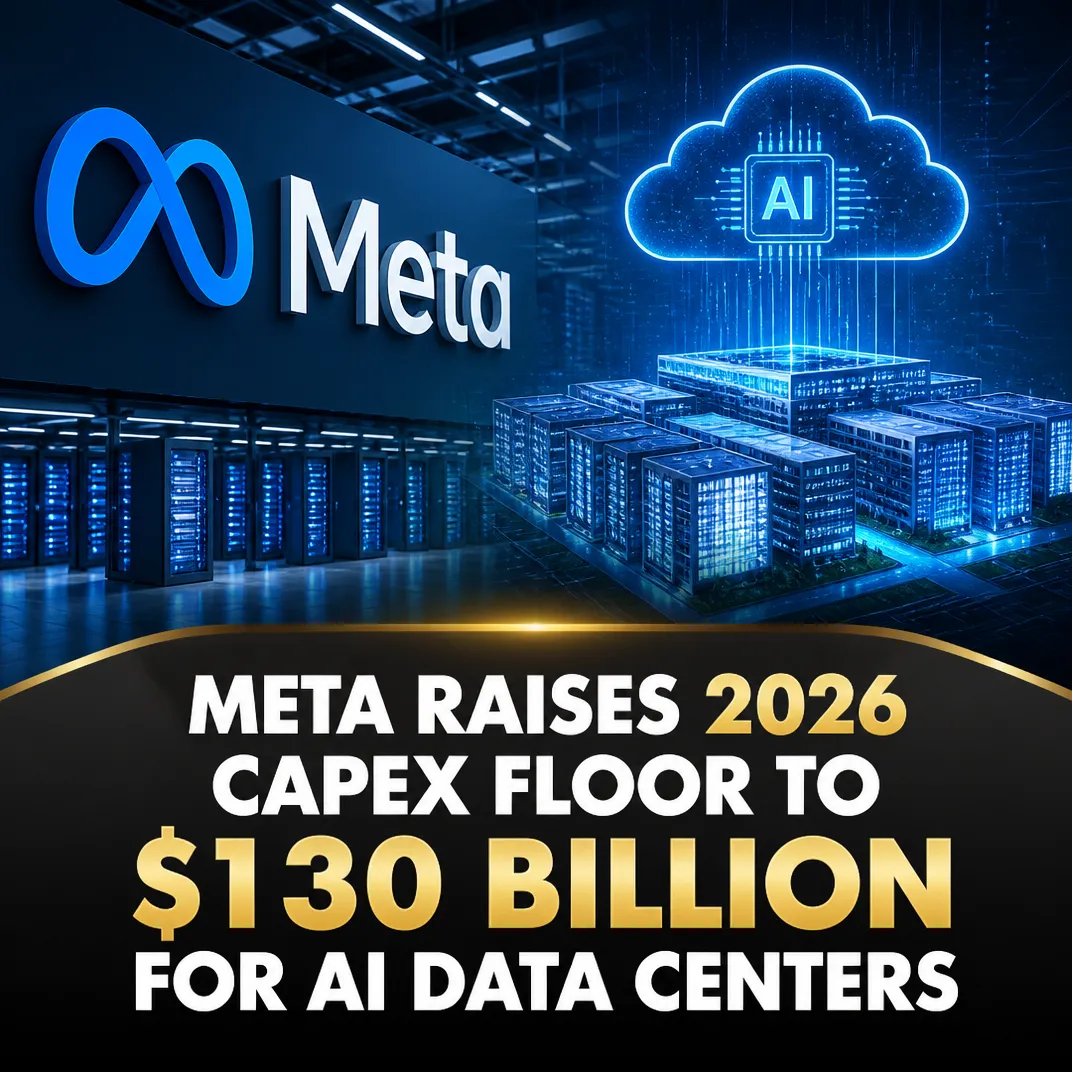
Alibaba's move is a canonical example of the enterprise AI agent transition we've been tracking. It's not a standalone product launch but the deep integration of agentic capabilities into a core, existing platform—Business Advisor. This mirrors a trend we observed with Meta, which recently shifted its AI agent focus "from Product to Internal Management System" (March 26, 2026). The value is in the orchestration and platform integration, not just the agent itself.
The explicit citation of OpenClaw is significant. It shows how open-source agent frameworks are setting the pace for the entire industry, forcing even the largest tech conglomerates to accelerate their roadmaps. This creates a fascinating dynamic where Alibaba, which develops its own foundational models (Qwen), is being spurred to action by an open-source project (OpenClaw) that itself often utilizes models from competitors like Anthropic's Claude Code.
This deployment also validates predictions made by industry leaders about 2026 being a breakthrough year for AI agents. As we noted on December 31, 2025, "Industry leaders predict 2026 as breakthrough year for AI agents across all domains." Alibaba's scale brings this prediction into sharp focus. The key question is whether this will follow the "commoditization" path predicted by Satya Nadella, where traditional SaaS value erodes in favor of an AI orchestration layer (March 27, 2026). By baking agents directly into its merchant platform, Alibaba is attempting to own that orchestration layer for e-commerce.
Finally, this represents the monetization path for Alibaba's substantial investments in its Qwen model family. The models move from being open-source research artifacts to the engines powering a massive, revenue-generating platform feature. This is a more direct path to ROI than pure research, highlighting the strategic importance of China's open-source AI ecosystem development.
Frequently Asked Questions
What exactly will the Alibaba AI agents do for merchants?
The AI agents will automate three main tasks: providing 24/7 automated customer service by answering shopper queries, dynamically creating and distributing promotional vouchers based on real-time data, and adjusting product prices in response to market conditions and competitor activity. They are designed to function as a always-on "digital employee."
When will this AI digital workforce be available?
Alibaba has stated the new agentic AI service will be launched and available to merchants on Taobao and Tmall by the end of March 2026. It was first teased to merchants at the Tmall TopTalk summit in Shanghai.
What AI model powers these Alibaba agents?
While not explicitly named in the announcement, the agents will almost certainly be powered by Alibaba's own family of Qwen large language models. Alibaba has been aggressively developing and open-sourcing the Qwen series (including Qwen 2.5, Qwen 3.5 4B, and Qwen 3.5 Medium) and is likely fine-tuning a version specifically for e-commerce agentic tasks integrated with its platform APIs.
Why does Alibaba mention OpenClaw in its announcement?
Alibaba executives cited the "OpenClaw frenzy" as a catalyst that accelerated their timeline, proving the viability of execution-oriented autonomous AI. OpenClaw is a popular open-source autonomous AI agent framework that has demonstrated reliable task execution, lowering the barrier for large companies like Alibaba to deploy similar systems at scale with greater confidence.