What Happened
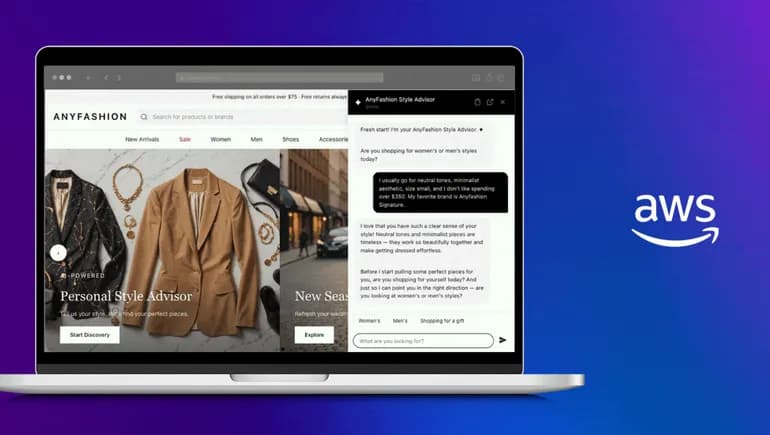
Amazon has expanded its AI agent strategy beyond its own marketplace by launching the Agentic Shopping Assistant on Amazon Web Services (AWS) on Wednesday. The tool allows retailers to deploy custom AI shopping assistants in weeks rather than building the technology from scratch.
The first implementation comes from Tapestry, which used the platform to create the Kate Spade AI Gift Concierge in April. The tool guides shoppers through gift selection, leveraging data from queries posed to Amazon's Alexa for Shopping tool and the answers that led to sales.
Technical Details
The Agentic Shopping Assistant is built on Amazon's Bedrock AgentCore infrastructure, which provides the underlying agentic framework for conversational commerce. Retailers can customize the tool for their specific shopping environment, clientele, brand voice, and product assortment.
Amazon claims that conversational shopping sessions deliver 3.5 times higher conversion rates compared to traditional keyword-based product searches. Tapestry tested the Kate Spade implementation for approximately 2.5 months before making it available to consumers.
This launch follows Amazon's debut of Alexa for Shopping in May, which replaced the Rufus AI shopping assistant introduced in 2024. Together, these moves signal Amazon's intent to normalize AI-powered shopping agents across the retail ecosystem.
Retail & Luxury Implications
For luxury and premium retailers, the key question is whether off-the-shelf AI agent infrastructure can maintain brand integrity. The Kate Spade implementation suggests a path: customized brand voice and product assortment integration within a standardized agent framework.

However, experts warn that reliance on external AI tools could create distance between retailers and customers. Kartik Hosanagar, marketing professor at Wharton, noted that as platforms like Gemini and ChatGPT play a larger role in connecting consumers with products, collapsing that journey into an external tool could shift the power balance between tech platforms and retailers.
For retail AI leaders, the trade-off is clear: faster time-to-market with Amazon's infrastructure versus maintaining direct customer relationships and data ownership. The 3.5x conversion uplift cited by Amazon is compelling, but it comes with dependency on AWS's ecosystem.
Implementation Approach
Retailers interested in the Agentic Shopping Assistant would need:
- AWS account with Bedrock access
- Product catalog data in a structured format
- Brand voice guidelines and customer persona definitions
- Integration with existing e-commerce backend (inventory, pricing, checkout)
- Testing period (Tapestry used 2.5 months)

Governance & Risk Assessment
- Data ownership: Retailers must clarify how customer interaction data is handled within AWS infrastructure.
- Brand dilution: Standardized agent frameworks risk homogenizing the shopping experience across competitors.
- Vendor lock-in: Deep integration with AWS Bedrock may make switching costly.
- Maturity: The technology is production-ready (Kate Spade is live), but long-term reliability and customer acceptance remain unproven at scale.

Competitive Context
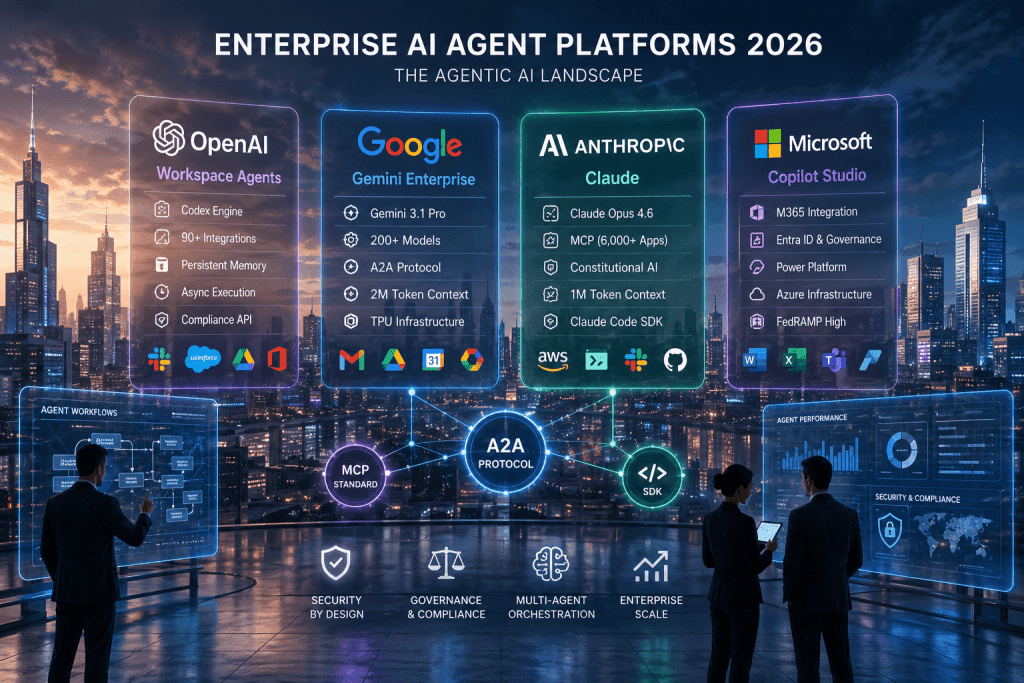
Amazon's move directly competes with Google Cloud's Vertex AI Agent Builder and Microsoft's Project Solara (announced June 2, 2026). All three are vying to become the default agent infrastructure for retail. Amazon's advantage: its deep e-commerce expertise and access to Alexa-for-Shopping query data. Google counters with Gemini models and its own retail cloud (Google Cloud Retail API). Microsoft leverages Azure and its Copilot ecosystem.
The race is on to define the agentic layer of retail commerce, and the winners will likely control the customer relationship.
Source: retaildive.com