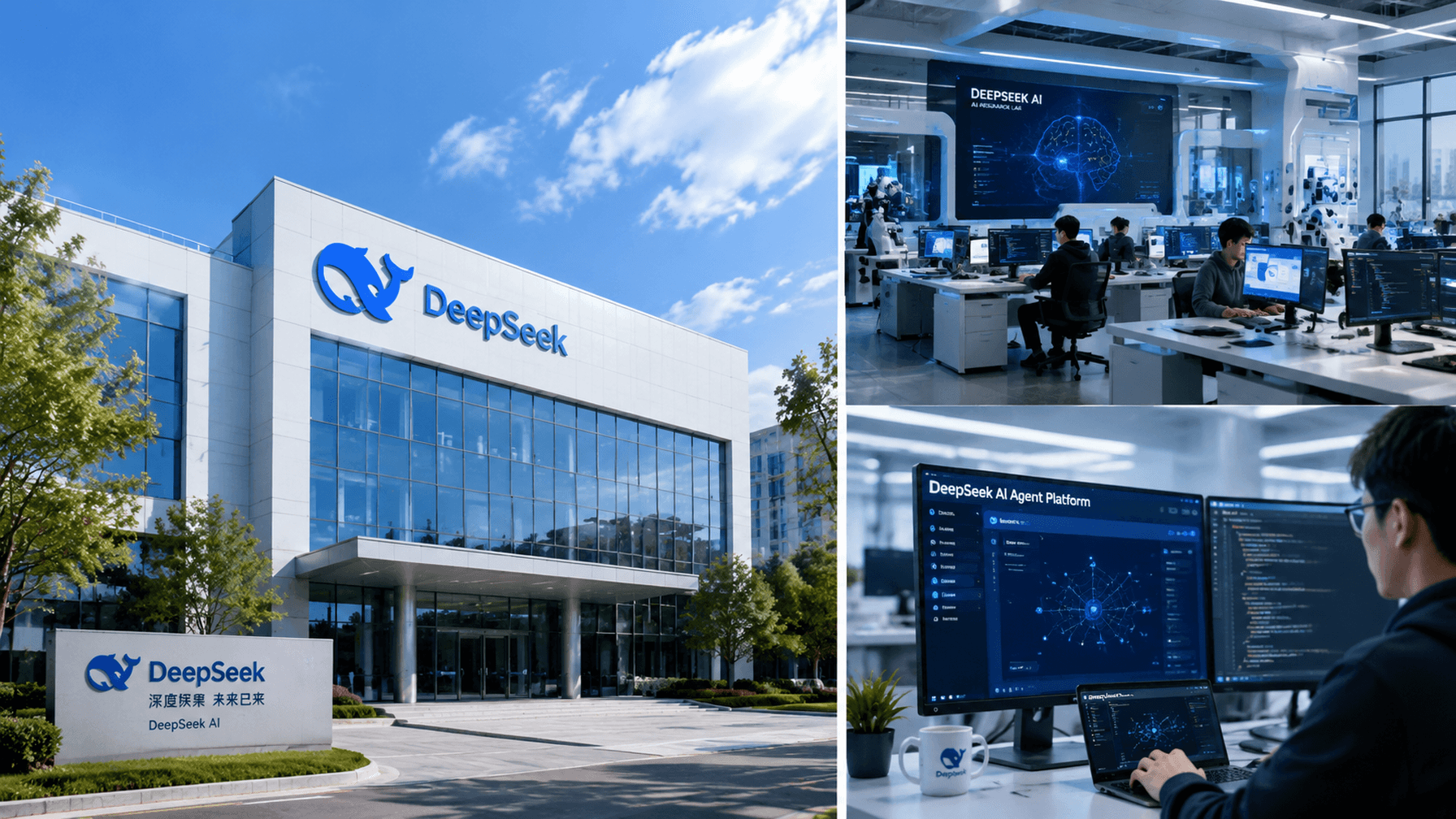
In a startling revelation that has sent shockwaves through the artificial intelligence community, Anthropic has uncovered what appears to be one of the largest and most sophisticated AI model theft operations to date. According to the company's findings, Chinese AI firms DeepSeek, Moonshot, and MiniMax allegedly orchestrated coordinated campaigns using approximately 24,000 fraudulent accounts to generate more than 16 million exchanges with Claude, Anthropic's flagship AI assistant, with the explicit goal of distilling its capabilities into their own models.
The Anatomy of the Distillation Campaign
The operation, described in detail by Anthropic researchers, represents a new frontier in intellectual property theft within the AI sector. Unlike traditional data scraping or model copying, this campaign employed what's known in machine learning circles as "distillation"—a technique where one model learns from the outputs of another, more advanced model.
According to the findings, the fraudulent accounts were systematically used to query Claude across its most valuable capabilities: agentic reasoning (the ability to break down complex tasks into steps), sophisticated tool use, and advanced coding assistance. The attackers reportedly focused on these specific strengths because they represent some of Claude's most distinctive competitive advantages in the crowded AI assistant market.
The scale of the operation is staggering. Sixteen million exchanges represent an enormous training dataset that could significantly accelerate the development of competing models. Each exchange wasn't just a simple question and answer but likely involved carefully crafted prompts designed to extract maximum knowledge about Claude's internal reasoning processes and capabilities.
The Players Involved
The three companies implicated—DeepSeek, Moonshot, and MiniMax—are significant players in China's rapidly growing AI sector:
- DeepSeek has gained attention for its open-source language models that compete with Western offerings
- Moonshot AI has developed the Kimi chatbot, known for its long-context capabilities
- MiniMax has created the ABAB series of models and the Talkie chatbot
What makes this revelation particularly significant is that these aren't obscure startups but well-funded companies with substantial resources and technical expertise. Their alleged involvement suggests that model distillation from competitors may be becoming an accepted, if ethically questionable, practice in some competitive AI markets.
Technical and Ethical Implications
This incident raises profound questions about the future of AI development and competition. Model distillation sits in a legal and ethical gray area. While using publicly available API outputs for training isn't explicitly illegal in many jurisdictions, doing so through fraudulent accounts violates most platforms' terms of service and represents a form of unauthorized access.
The technical sophistication of the operation is noteworthy. Creating and managing 24,000 accounts without triggering Anthropic's security systems suggests careful planning and potentially the use of advanced techniques to mimic human behavior patterns. This wasn't a simple scraping operation but a coordinated, long-term campaign designed to extract maximum value while avoiding detection.
The Broader Context of AI Competition
This revelation comes at a time of intense global competition in artificial intelligence, particularly between the United States and China. The incident highlights how intellectual property protection is becoming increasingly challenging in an era where AI models can be "learned from" rather than simply copied.
Traditional intellectual property frameworks were designed for physical inventions and software code, not for the emergent capabilities of large neural networks. This creates a regulatory gap that sophisticated actors can exploit. The Anthropic case may prompt calls for new legal frameworks specifically addressing AI model protection.
Security and Countermeasures
Anthropic's ability to detect this campaign represents a significant achievement in AI security. Identifying coordinated distillation attacks requires sophisticated anomaly detection systems that can recognize patterns across thousands of accounts and millions of interactions. The company likely employed advanced graph analysis techniques to identify clusters of accounts with similar behavior patterns, query types, and timing.
This incident will undoubtedly lead to increased security measures across the AI industry. Companies may implement stricter rate limiting, more sophisticated bot detection, and potentially even technical countermeasures that make distillation less effective, such as adding subtle variations to outputs that degrade the quality of distilled models.
The Future of AI Development Ethics
The Anthropic revelation forces the industry to confront difficult questions about development ethics. If leading AI companies are engaging in large-scale model distillation from competitors, it could create a race to the bottom where original research becomes less valuable than sophisticated copying techniques.
This could particularly disadvantage companies like Anthropic that have invested heavily in developing novel architectures and training techniques. The Constitutional AI approach that makes Claude distinctive represents years of research and development that could potentially be extracted through systematic distillation campaigns.
Industry and Regulatory Response
The response to this incident will likely unfold on multiple fronts:
- Technical defenses will become more sophisticated as companies work to protect their models
- Legal action may follow, testing the boundaries of existing intellectual property law
- Industry standards may emerge around acceptable use of competitor model outputs
- International discussions about AI development ethics may gain urgency
For the broader AI ecosystem, this incident serves as a wake-up call about the vulnerabilities of the current development paradigm. As models become more valuable and capabilities more differentiated, the incentives for this type of activity will only increase.
Conclusion: A Watershed Moment for AI Security
The exposure of this large-scale distillation campaign represents a watershed moment in AI security and ethics. It demonstrates that as AI models become more economically valuable, they will face increasingly sophisticated threats that go beyond traditional cybersecurity concerns to target their fundamental capabilities and knowledge.
The incident also highlights the tension between open innovation and proprietary advantage in AI development. While the field has benefited from open research and model sharing, commercial pressures are creating new forms of competition that test ethical boundaries.
As the AI industry matures, incidents like this will likely become more common, forcing companies, regulators, and the research community to develop new frameworks for protecting AI intellectual property while maintaining the collaborative spirit that has driven much of the field's progress. The Anthropic case may well be remembered as the moment when the AI industry realized it needed to take model security as seriously as traditional cybersecurity.
Source: Anthropic research findings as reported by @kimmonismus on Twitter/X