In a dramatic development that has sent shockwaves through the artificial intelligence sector, Anthropic has experienced a significant leadership shakeup that threatens to disrupt existing government partnerships and trigger a major realignment of AI industry alliances. The sudden departure of key executives from the AI safety-focused company has created an immediate vacuum in its close collaboration with the Department of Defense (DoD), raising urgent questions about which major AI player will step in to fill this critical role.
The Leadership Departure and Its Immediate Impact
While specific details about the nature and scope of the leadership changes remain emerging, industry observers confirm that multiple key figures have exited Anthropic in what appears to be a coordinated departure. This development comes at a particularly sensitive time for the company, which has positioned itself as a responsible alternative to larger competitors while maintaining strategic government partnerships.
Anthropic's collaboration with the Department of Defense has been a cornerstone of its growth strategy, providing not only significant revenue but also establishing credibility in high-stakes applications where safety and reliability are paramount. The company's Constitutional AI approach—which emphasizes alignment with human values through explicit principles—has made it particularly attractive for defense applications where ethical considerations intersect with national security imperatives.
The Contenders for Defense Partnership
With Anthropic's future leadership uncertain, three major players have emerged as potential successors to its defense collaboration role:
xAI: The Musk Factor
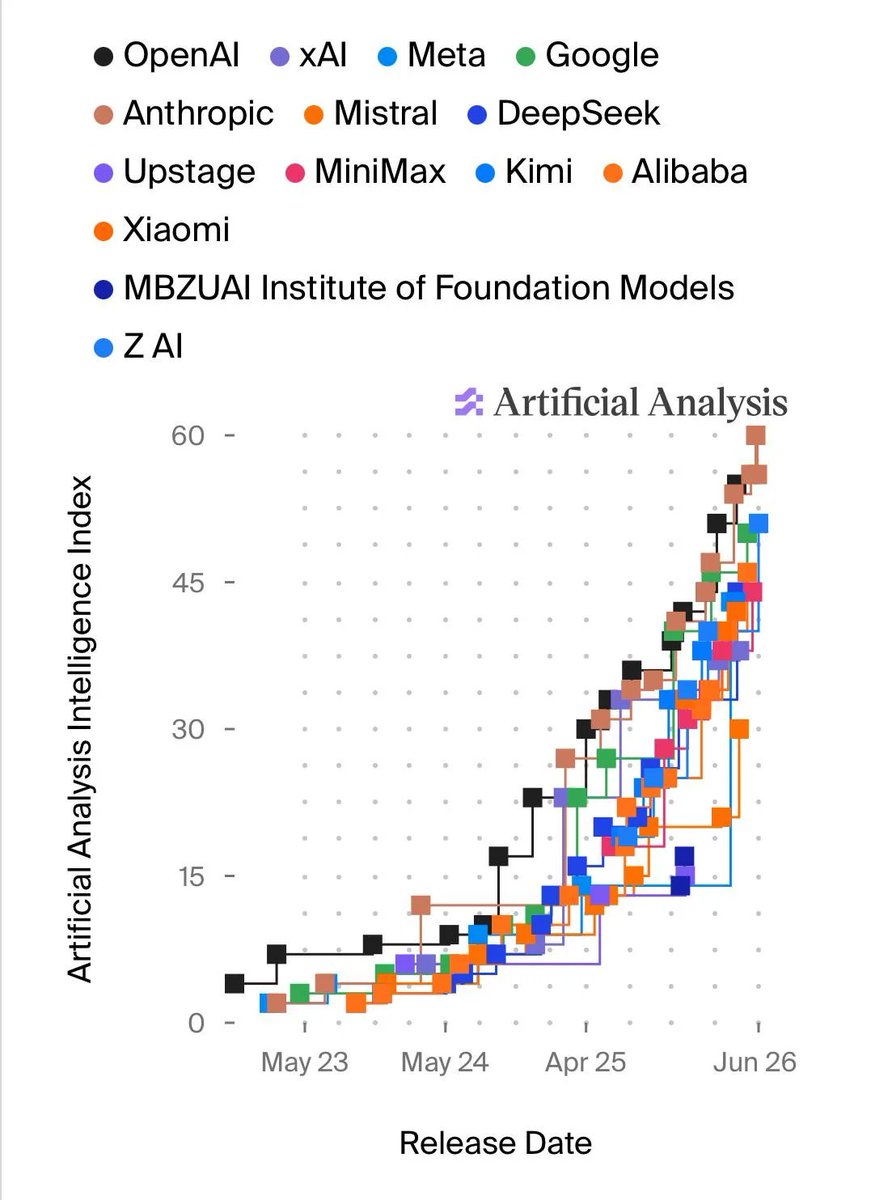
Elon Musk's xAI represents perhaps the most intriguing contender. Despite being the newest entrant among major AI companies, xAI brings several advantages to the table. Musk's existing relationships with government agencies through SpaceX and Tesla provide established channels for defense collaboration. Additionally, xAI's focus on "maximum truth-seeking" AI aligns with defense needs for reliable, verifiable systems. However, Musk's sometimes contentious relationship with government regulators could present obstacles.
OpenAI: The Established Power
As the current market leader in generative AI, OpenAI would seem a natural successor to Anthropic's defense work. The company already maintains government relationships and has experience with large-scale deployments. However, OpenAI's recent internal turmoil and shifting governance structure may give defense officials pause. Additionally, the company's commercial focus on consumer and enterprise applications might not perfectly align with specialized defense requirements.
Meta: The Dark Horse
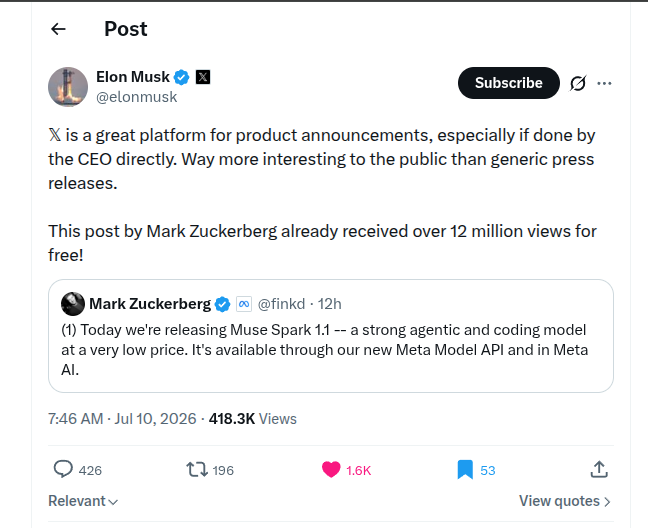
While Meta possesses substantial AI research capabilities through its FAIR division, the company has historically focused on consumer-facing applications rather than government contracts. As noted in industry discussions, Meta "has hardly any useful products" in the defense sector, lacking both the specialized experience and established relationships that would facilitate a smooth transition. However, Meta's vast resources and infrastructure could potentially be redirected toward defense applications if the company made a strategic decision to pursue this market.
Industry Reactions and Solidarity Movements
The leadership departure from Anthropic has triggered expressions of solidarity from across the AI industry. Most notably, OpenAI CEO Sam Altman has publicly supported Anthropic during this transition period, highlighting the interconnected nature of the AI ecosystem despite competitive tensions. This display of industry cohesion suggests recognition that stability across major AI firms benefits the entire sector, particularly when it comes to maintaining government trust.
Industry analysts note that such solidarity movements are becoming increasingly common as AI companies recognize their shared interest in responsible development and maintaining positive relationships with regulators. The Anthropic situation represents a test case for whether competitive pressures will override these cooperative instincts when significant government contracts are at stake.
Implications for AI Safety and Governance
The potential shift in defense AI partnerships carries significant implications for the broader AI safety landscape. Anthropic has been a leading voice in the movement toward constitutional AI and value-aligned systems. If its defense work transitions to a company with different safety priorities, this could influence how AI is developed and deployed in national security contexts.
This development also highlights the growing importance of continuity planning within AI organizations. As these companies become increasingly integral to national infrastructure and security, leadership stability takes on heightened significance. The Anthropic situation may prompt other AI firms to develop more robust succession planning and partnership transition protocols.
The Strategic Calculus for the Department of Defense
From the Pentagon's perspective, the Anthropic leadership changes present both challenges and opportunities. Defense officials must weigh several factors in determining how to proceed:
- Continuity of existing projects: Defense AI initiatives often involve multi-year development cycles that cannot easily be paused or transferred.
- Security considerations: Changing contractors requires new security vetting and potentially exposes sensitive information during transition periods.
- Technical compatibility: Different AI companies employ varying architectures and approaches that may not be directly interchangeable.
- Strategic diversification: The DoD may see this as an opportunity to diversify its AI supplier base rather than simply replacing Anthropic with another single provider.
Looking Ahead: The New AI Landscape
The Anthropic leadership transition represents more than just one company's internal reorganization—it signals potential shifts in the fundamental power dynamics of the AI industry. As government contracts become increasingly important revenue streams and validation markers for AI companies, competition for these partnerships will intensify.
This development may accelerate several existing trends:
- Consolidation pressure: Smaller AI firms may seek mergers or partnerships to better compete for government work
- Specialization: Companies may increasingly differentiate themselves by focusing on specific application areas like defense, healthcare, or finance
- Regulatory engagement: AI firms will likely increase their government relations efforts to position themselves for future contracts
Conclusion: A Watershed Moment for AI Industry Structure
The sudden leadership changes at Anthropic have exposed the fragility of current AI industry structures and the interconnected nature of commercial and government AI development. As major players position themselves to capture the valuable defense collaboration that Anthropic cultivated, the coming weeks will reveal much about the future direction of both the AI industry and government AI adoption.
What initially appeared as an internal matter at one company has quickly escalated into a potential industry realignment with implications for national security, AI safety, and competitive dynamics. The resolution of this situation will provide important signals about how the AI industry matures and how government agencies navigate their increasing dependence on private sector AI capabilities.
Source: Initial reporting based on social media discussion from @kimmonismus regarding Anthropic leadership changes and potential partnership implications.