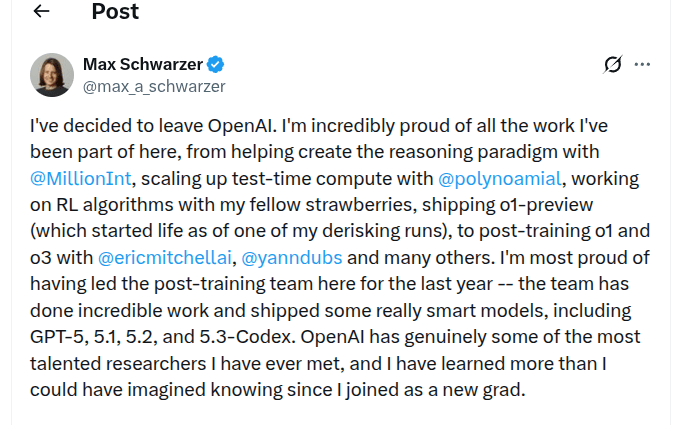
In a move that underscores the intensifying battle for AI supremacy, Anthropic has successfully recruited the Vice President of Post-Training Research from OpenAI, according to recent reports. This high-profile talent acquisition represents more than just another personnel change in the rapidly evolving AI landscape—it signals a strategic escalation in the competition between two of the most influential AI companies in the world.
The Significance of Post-Training Research
Post-training research represents one of the most critical phases in developing advanced AI systems. After initial model training on massive datasets, this stage focuses on refining AI behavior, improving safety mechanisms, aligning models with human values, and optimizing performance for specific applications. The person leading this research at OpenAI would have been responsible for crucial work on making AI systems more reliable, controllable, and aligned with human intentions.
This specialized expertise has become increasingly valuable as AI models grow more powerful and their deployment more widespread. The challenges of post-training—including reducing harmful outputs, improving factual accuracy, and ensuring ethical behavior—have emerged as central concerns for both researchers and regulators.
The Anthropic-OpenAI Rivalry Context
The talent move occurs against the backdrop of an increasingly competitive relationship between Anthropic and OpenAI. Both companies emerged from similar philosophical roots in AI safety research but have taken different paths in their approaches to developing and deploying advanced AI systems.
Anthropic, founded by former OpenAI researchers including Dario Amodei and Daniela Amodei, has positioned itself as taking a more cautious, safety-first approach to AI development. Their Constitutional AI framework represents a distinctive methodology for aligning AI systems with human values through self-critique and iterative refinement.
OpenAI, while also emphasizing safety, has pursued a more aggressive deployment strategy with ChatGPT and its API offerings, pushing AI capabilities into the mainstream at unprecedented speed. This philosophical and strategic divergence has created natural competition between the organizations, particularly for specialized talent at the intersection of capability development and safety research.
Implications for AI Development Trajectories
This recruitment could have several significant implications for both companies and the broader AI ecosystem:
1. Knowledge Transfer and Competitive Advantage
The departing executive brings deep institutional knowledge of OpenAI's post-training methodologies, safety approaches, and research priorities. This knowledge transfer could accelerate Anthropic's capabilities in critical areas while potentially creating new competitive pressures for OpenAI to innovate more rapidly in post-training research.
2. Shifting Research Priorities
Different companies prioritize different aspects of post-training research based on their philosophical approaches and product strategies. The movement of senior leadership between these organizations may influence how both companies approach challenges like reinforcement learning from human feedback (RLHF), constitutional AI implementations, and safety-evaluation frameworks.
3. Talent Market Dynamics
High-profile moves between top AI labs signal to the broader research community where exciting work is happening and which organizations are investing in specific research areas. This could influence where emerging talent chooses to work and potentially accelerate the redistribution of expertise across the AI safety and capabilities landscape.
The Broader AI Talent War
This development represents just one skirmish in an ongoing battle for AI talent that has seen researchers, engineers, and executives moving between major labs including Google DeepMind, Anthropic, OpenAI, and various academic institutions. The competition is particularly intense for researchers with expertise in AI safety and alignment—areas where both Anthropic and OpenAI have positioned themselves as leaders.
The concentration of talent in a handful of organizations raises questions about knowledge siloing and the potential for groupthink in safety approaches. Movement between organizations can help cross-pollinate ideas and methodologies, potentially benefiting the entire field through diversified approaches to critical challenges.
What This Means for AI Safety and Governance
The recruitment of senior safety-focused leadership has implications beyond corporate competition. As governments and international bodies develop AI governance frameworks, the distribution of expertise across organizations influences which approaches gain traction and how safety standards evolve.
If Anthropic strengthens its post-training capabilities through this hire, it could bolster their position in policy discussions about AI safety standards. Conversely, OpenAI may need to demonstrate continued leadership in this area through new research initiatives or organizational adjustments.
Looking Forward
As the AI field continues its rapid evolution, talent movements between leading organizations will likely remain a feature of the landscape. What makes this particular move noteworthy is its focus on post-training research—an area that will increasingly determine how AI systems behave in real-world applications and how safely they can be deployed at scale.
The coming months may reveal how this personnel change affects both companies' research outputs, product development timelines, and safety approaches. What's certain is that the competition for expertise in making AI systems more capable, controllable, and aligned with human values has reached a new level of intensity.
Source: Report via Rohan Paul on X/Twitter citing Anthropic's recruitment of OpenAI's VP of Post-Training Research.