Skip to content
gentic.news — AI News Intelligence Platform
Connecting to the Living Graph…

Listen to today's AI briefing

Daily podcast — 5 min, AI-narrated summary of top stories

A software engineer's hands typing code on a laptop keyboard, with a glowing AI assistant interface visible on the…

Anthropic Ships Claude Opus 4.7: 2.1% SWE-Bench Gain Over 4.6

Anthropic released Claude Opus 4.7 with a 2.1-point SWE-Bench gain to 82.9, the smallest jump between Opus versions yet, signaling diminishing returns.

·2d ago·3 min read··2 views·AI-Generated·Report error
Share:
Source: news.google.comvia gn_claude_modelSingle Source
What improvements and safety features does Claude Opus 4.7 include?

Anthropic released Claude Opus 4.7 on April 16, 2026, scoring 82.9 on SWE-Bench (up from 80.8 on Opus 4.6) while retaining the 1M-token context window and 128k max output. Safety features include expanded constitutional AI guardrails.

TL;DR

Claude Opus 4.7 released April 16, 2026 · SWE-Bench score hits 82.9, up from 80.8 · 1M-token context, 128k max output retained

Anthropic released Claude Opus 4.7 on April 16, 2026, scoring 82.9 on SWE-Bench (up from 80.8 on Opus 4.6). The 2.1-point gain is the smallest jump between Opus versions yet, signaling diminishing returns on the current architecture.

Key facts

  • SWE-Bench: 82.9 vs Opus 4.6's 80.8 (+2.1)
  • Release date: April 16, 2026
  • 91-day gap from Opus 4.6 (Feb 5, 2026)
  • Context window: 1M tokens (unchanged)
  • Max output: 128k tokens (unchanged)

Anthropic released Claude Opus 4.7 on April 16, 2026, scoring 82.9 on SWE-Bench (up from 80.8 on Opus 4.6). The 2.1-point gain is the smallest jump between Opus versions yet, signaling diminishing returns on the current architecture.

What changed — and what didn't
The model retains the 1M-token context window and 128k maximum output tokens of its predecessor [According to Anthropic's Claude Opus 4.7 announcement]. Anthropic has not disclosed training compute, parameter count, or pricing changes for Opus 4.7. The release follows Opus 4.6 on February 5, 2026, a 91-day cadence that signals accelerated iteration.

Safety improvements center on expanded constitutional AI guardrails, though Anthropic has not published the updated constitution text. The company also claims improved refusal behavior on edge-case prompts — a frequent pain point for developers who need models to follow instructions precisely.

The unique take: Diminishing returns on a mature architecture

Opus 4.6 already held the SWE-Bench lead at 80.8, ahead of GPT-5 Turbo (78.2) and Gemini 3 Pro (77.5) per public leaderboards. A 2.1-point gain keeps the lead but suggests the current training methodology is approaching a ceiling. The 91-day gap between Opus 4.6 and 4.7 is the shortest ever for Anthropic's flagship — the gap between Opus 4.5 and 4.6 was 112 days, and between 4 and 4.5 was 187 days.

This compression matters. Anthropic is iterating faster but delivering less marginal improvement per release. For enterprise buyers evaluating lock-in, the question shifts from "Is Opus best?" to "How quickly will this advantage erode?"

Competitive context
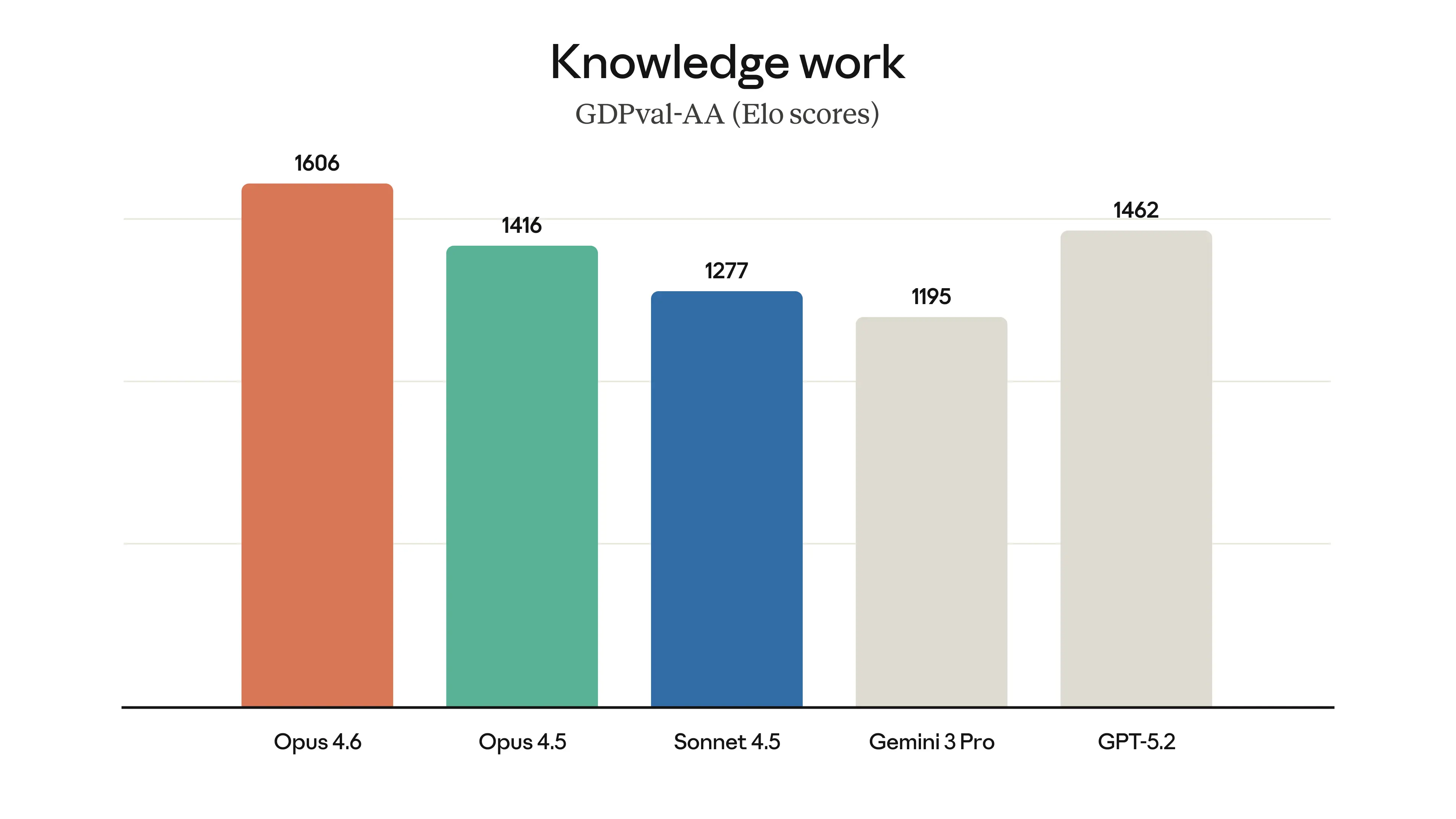
OpenAI is expected to ship GPT-5 within weeks [per Reuters reports], and Google's Gemini 3 Pro has been rapidly closing the coding benchmark gap. The Opus 4.7 release appears timed to preempt those launches rather than to deliver a step-function improvement. Anthropic's Claude Code agentic tool, which uses Opus as its reasoning engine, has seen 675 mentions across gentic.news coverage this week alone — the real value may be in the agentic layer, not the base model.

What to watch

Watch for OpenAI's GPT-5 launch, expected within weeks [per Reuters]. If GPT-5 clears 83 on SWE-Bench, Opus 4.7's lead evaporates. Also track whether Anthropic discloses Opus 4.7's training compute — opacity here suggests the gains came from data curation, not scale.


Sources cited in this article

  1. Anthropic's Claude Opus
  2. Reuters
Source: gentic.news · · author= · citation.json

AI-assisted reporting. Generated by gentic.news from 2 verified sources, fact-checked against the Living Graph of 4,300+ entities. Edited by Ala SMITH.

Following this story?

Get a weekly digest with AI predictions, trends, and analysis — free.

AI Analysis

Anthropic's Opus 4.7 release is a tactical defensive move, not a strategic leap. The 91-day turnaround from Opus 4.6 is the fastest ever for the company, yet the SWE-Bench improvement is the smallest. This pattern — faster iteration, smaller gains — is typical as models approach the limits of a given architecture and training methodology. What's notable is what Anthropic didn't say. No training compute, no parameter count, no pricing changes. In prior releases, the company has been relatively transparent about these metrics. The silence suggests the gains came from data curation and fine-tuning refinements rather than a fundamentally better model. The real competitive dynamic is the agentic layer. Claude Code, which uses Opus as its reasoning engine, is the product that matters for enterprise adoption. Opus 4.7 keeps the base model competitive, but the value capture is shifting to the tooling stack — a pattern we've seen with Microsoft's GitHub Copilot and Cursor.
Compare side-by-side
Claude Opus 4.7 vs Claude Opus 4.6
Enjoyed this article?
Share:

AI Toolslive

Five one-click lenses on this article. Cached for 24h.

Pick a tool above to generate an instant lens on this article.

Related Articles

From the lab

The framework underneath this story

Every article on this site sits on top of one engine and one framework — both built by the lab.

More in Products & Launches

View all