Apple has taken a decisive step toward integrating artificial intelligence into its developer ecosystem with the official release of Xcode 26.3. After several weeks of testing, the updated integrated development environment now includes native support for AI agents from leading AI companies Anthropic and OpenAI, fundamentally changing how developers create applications for Apple's platforms.
Native Integration of Leading AI Models
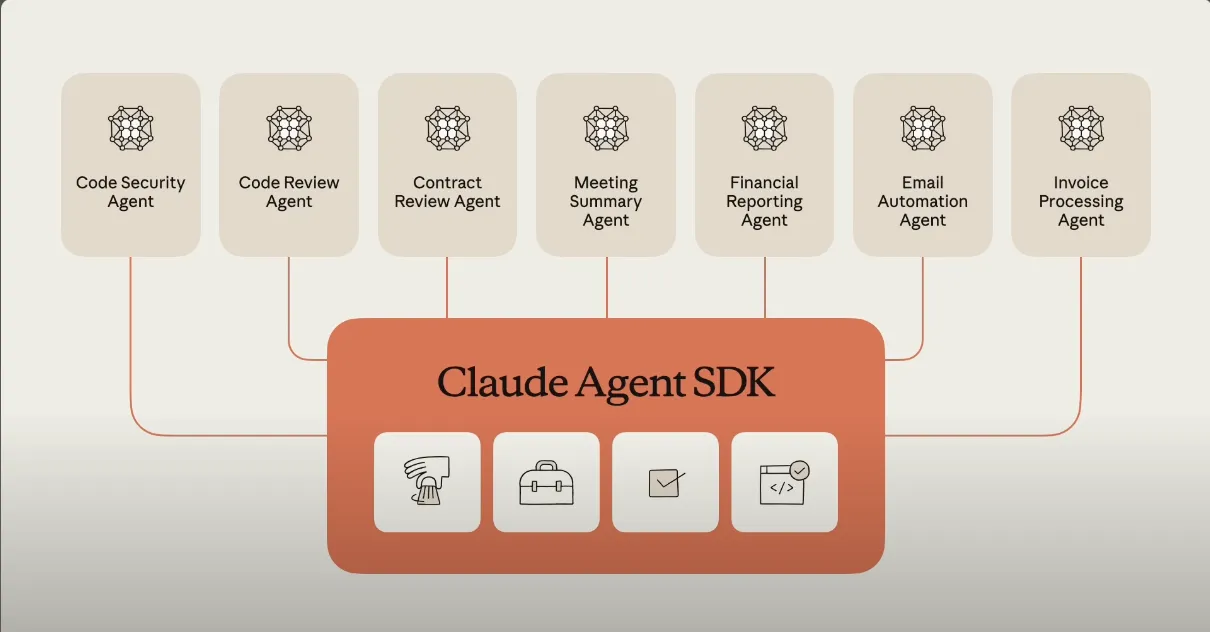
Xcode 26.3 represents Apple's most significant embrace of third-party AI technologies to date. The update allows developers to directly utilize Anthropic's Claude Agent and OpenAI's Codex within the familiar Xcode environment. This isn't merely a plugin or extension—Apple has worked closely with both companies to configure their agents specifically for Xcode integration, ensuring the AI models can access the full range of Xcode's development features.
What makes this integration particularly noteworthy is Apple's decision to support competing AI providers simultaneously. While Anthropic and OpenAI maintain their well-documented competitive relationship in the broader AI market, Apple has positioned Xcode as a neutral platform where developers can choose their preferred AI assistant. This strategic move acknowledges the fragmented nature of the current AI landscape while providing developers with flexibility.
The Rise of Agentic Coding
The centerpiece of Xcode 26.3 is what Apple terms "agentic coding" support. This represents a significant evolution beyond the code completion and suggestion features that have become commonplace in modern IDEs. Agentic coding enables AI systems to perform complex, multi-step development tasks autonomously within the development environment.
According to Apple's implementation, these AI agents can now create new files, examine existing codebases, update entire application components, and handle boilerplate code generation—all while operating within the secure confines of Xcode. This represents a shift from AI as a mere assistant to AI as an active participant in the development process.
Open Standard Compatibility
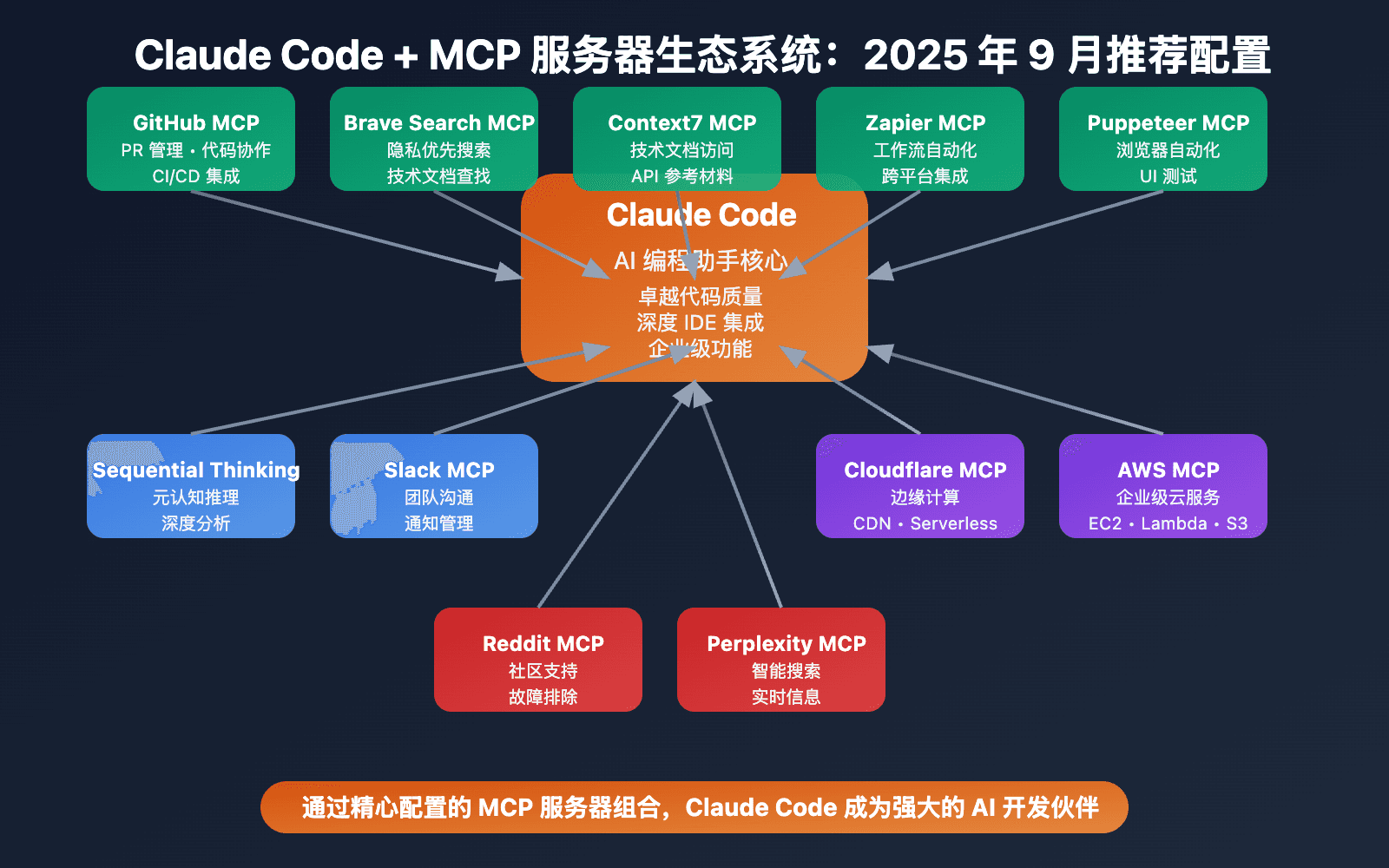
Perhaps the most forward-thinking aspect of Xcode 26.3's AI integration is its compatibility with the open standard Model Context Protocol (MCP). While Apple has worked specifically with Anthropic and OpenAI for this release, the architecture supports "any agent or tool that uses the open standard Model Context Protocol."
This open approach suggests Apple is building for a future where multiple AI providers might offer specialized development agents. By adopting an open standard, Apple avoids locking developers into specific AI ecosystems while ensuring consistent behavior and security protocols across different AI implementations.
Implications for the Developer Ecosystem
Apple's integration of AI agents into Xcode carries significant implications for the iOS and macOS development communities:
Lowering Development Barriers: By automating complex coding tasks, Xcode 26.3 could significantly lower the barrier to entry for new developers while increasing productivity for experienced professionals. This aligns with Apple's historical focus on making development accessible, though now through AI assistance rather than simplified programming languages.
Quality and Security Considerations: Apple's direct collaboration with Anthropic and OpenAI suggests the company has implemented specific safeguards and quality controls. Given Apple's reputation for security and privacy, we can expect these AI integrations to operate within Apple's established security frameworks, potentially including on-device processing options for sensitive codebases.
Evolving Developer Roles: As AI agents handle more routine development tasks, the role of human developers may shift toward higher-level architecture, creative problem-solving, and specialized optimization. This evolution mirrors similar transitions in other technology fields where automation has augmented rather than replaced human expertise.
Competitive Landscape and Strategic Positioning
Apple's move comes at a crucial moment in the AI development tools race. Microsoft's GitHub Copilot has established strong market presence, while Google has been integrating AI throughout its development stack. By partnering with both Anthropic and OpenAI—companies that compete directly with Google's AI efforts—Apple positions Xcode as a neutral, multi-vendor platform in contrast to more proprietary approaches.
This strategy allows Apple to leverage the rapid innovation happening across the AI industry without developing its own general-purpose coding models from scratch. Instead, Apple can focus on optimizing the integration experience and ensuring these tools work seamlessly within its ecosystem.
Looking Ahead: The Future of AI-Assisted Development
Xcode 26.3 represents more than just another IDE update—it signals Apple's vision for the future of software development. As AI agents become more capable, we can expect to see:
- More sophisticated multi-agent workflows where different AI systems specialize in different aspects of development
- Tighter integration with Apple's other developer tools and services
- Potential expansion to other creative domains within Apple's ecosystem, such as Final Cut Pro or Logic Pro
- Enhanced debugging and optimization capabilities powered by AI analysis of code patterns and performance data
The release also raises interesting questions about how Apple might eventually integrate its own rumored AI models into this framework. While currently relying on third-party providers, Apple's long-term strategy likely includes developing specialized AI capabilities that complement rather than replace these existing integrations.
Conclusion
Xcode 26.3 marks a pivotal moment in Apple's relationship with artificial intelligence. By bringing AI agents directly into its flagship development environment, Apple acknowledges the transformative potential of AI-assisted coding while maintaining its characteristic focus on quality, security, and developer experience. The decision to support multiple AI providers through open standards suggests Apple is thinking strategically about the evolving AI landscape rather than simply chasing current trends.
For developers, this update represents both opportunity and adaptation. The tools for creating Apple platform applications are becoming more powerful than ever, but they also require developers to develop new skills in AI collaboration and oversight. As AI continues to reshape software development, Apple's balanced approach—embracing innovation while maintaining platform integrity—may well define the next era of app creation for its ecosystem.