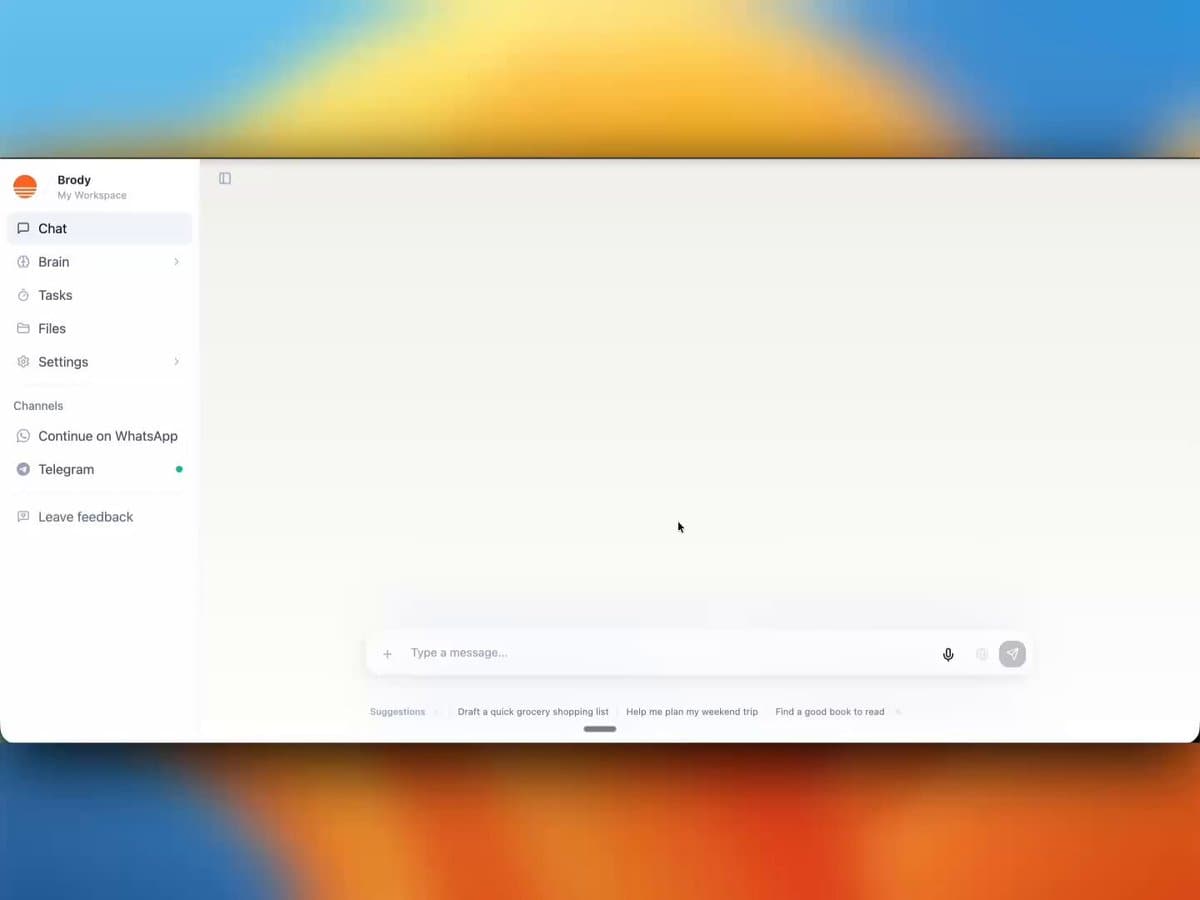
Base44, a company developing AI agent infrastructure, has officially launched Superagent, a new platform designed to let users quickly set up and connect personalized AI assistants to their everyday productivity tools. According to a user demonstration shared on social media, the setup process is remarkably fast, taking less than three minutes to connect an agent to core services like Gmail, Google Calendar, Slack, WhatsApp, and Telegram.
The demonstration, posted by a user identified as Kimmo, highlights the agent's ability to reply directly to emails autonomously once connected. The post describes the experience as "the cleanest" they have had when setting up an agent, suggesting a significant improvement in user onboarding compared to other AI agent platforms that often require complex configuration or coding knowledge.
What is Base44 Superagent?
While detailed technical specifications from Base44 are not provided in the source, the user demonstration indicates that Superagent is an AI agent platform focused on integration with common communication and productivity applications. The term "agent" in this context typically refers to an AI system that can perform tasks autonomously or semi-autonomously across different software environments.
The showcased integrations are particularly notable:
- Gmail & Calendar: For email management and scheduling.
- Slack: For team communication and workflow automation.
- WhatsApp & Telegram: For personal and professional messaging.
This multi-platform connectivity suggests Superagent is designed to act as a centralized AI assistant, capable of operating across the fragmented landscape of modern digital tools.
The Significance of a "Clean" Setup Experience
The user's emphasis on a "clean experience" is a critical point in the current AI landscape. Many powerful AI tools and agent frameworks exist, but they often have steep learning curves, requiring users to understand APIs, write prompts in specific formats, or navigate complex dashboards.
A setup process measured in minutes, not hours, dramatically lowers the barrier to entry. It makes sophisticated AI automation accessible to non-technical professionals, such as executives, managers, or salespeople, who need the functionality but lack the time or expertise for a lengthy setup. This focus on user experience (UX) could be a key differentiator for Base44 in a crowded market.
The Move Towards Autonomous Action
The demonstration of the agent replying directly to an email is a concrete example of autonomous action. This moves beyond simple chatbots that respond within a single interface. An agent connected to Gmail can presumably read incoming messages, understand context and intent, and draft and send appropriate replies without human intervention for each step.
When extended to other connected services, the potential use cases expand significantly:
- Scheduling: Reading an email proposing a meeting, checking Calendar for availability, and sending an invite.
- Task Management: Parsing a Slack message for action items and logging them in a project management tool.
- Notifications & Summaries: Pulling key information from WhatsApp groups or Telegram channels and summarizing them in a daily digest.
Implications for Workflow Automation
The launch of Superagent points to the next phase of workplace productivity: seamless, AI-driven orchestration. Instead of toggling between a dozen tabs and apps, users could instruct a single agent to handle cross-platform tasks.
For businesses, this could mean:
- Reduced Context Switching: Employees spend less mental energy moving between applications.
- Faster Response Times: AI agents can handle routine communications instantly, 24/7.
- Standardized Processes: Agents can be configured to follow specific protocols for client communication or internal requests.
However, this level of integration also raises immediate questions about security, privacy, and control. Granting an AI agent access to email, calendar, and messaging accounts requires immense trust in the platform's security architecture and data handling policies. Users and companies will need clear assurances on how data is processed, stored, and protected.
The Competitive Landscape
Base44 enters a space with established players building AI agent ecosystems. Companies like Cognition Labs (Devin), OpenAI with its GPTs and API, and numerous startups are all exploring how AI can act across software boundaries. Base44's initial go-to-market strategy appears to focus on a superior, frictionless user experience for connecting to the most universally used SaaS tools.
Its success will likely depend on the reliability of its integrations, the intelligence and safety of its agent's actions, and its ability to scale this "clean experience" to more complex enterprise workflows beyond the initial five-app demonstration.
Looking Ahead
The launch of Base44 Superagent, as witnessed through early user feedback, is a tangible step toward the democratization of AI agents. By prioritizing a quick and clean setup, it brings the promise of autonomous digital assistants closer to practical, everyday use.
The coming months will be telling. Observers should watch for:
- Official documentation and feature lists from Base44.
- User reports on the long-term reliability and usefulness of the connected agents.
- How Base44 addresses the inevitable challenges of permissions, error handling, and user oversight.
If the initial experience holds true at scale, Superagent could become a significant catalyst for mainstream adoption of multi-platform AI assistants.
Source: User demonstration and commentary via X (formerly Twitter) from @kimmonismus, showcasing the Base44 Superagent platform.