A recent revelation from AI developer Hasn T. (@hasantoxr) is challenging how developers approach Claude Code, Anthropic's AI coding assistant. In a viral X thread, Hasn argues that developers are undermining their own results by treating the CLAUDE.md file as a knowledge dump rather than leveraging proper project architecture.
The CLAUDE.md Misconception
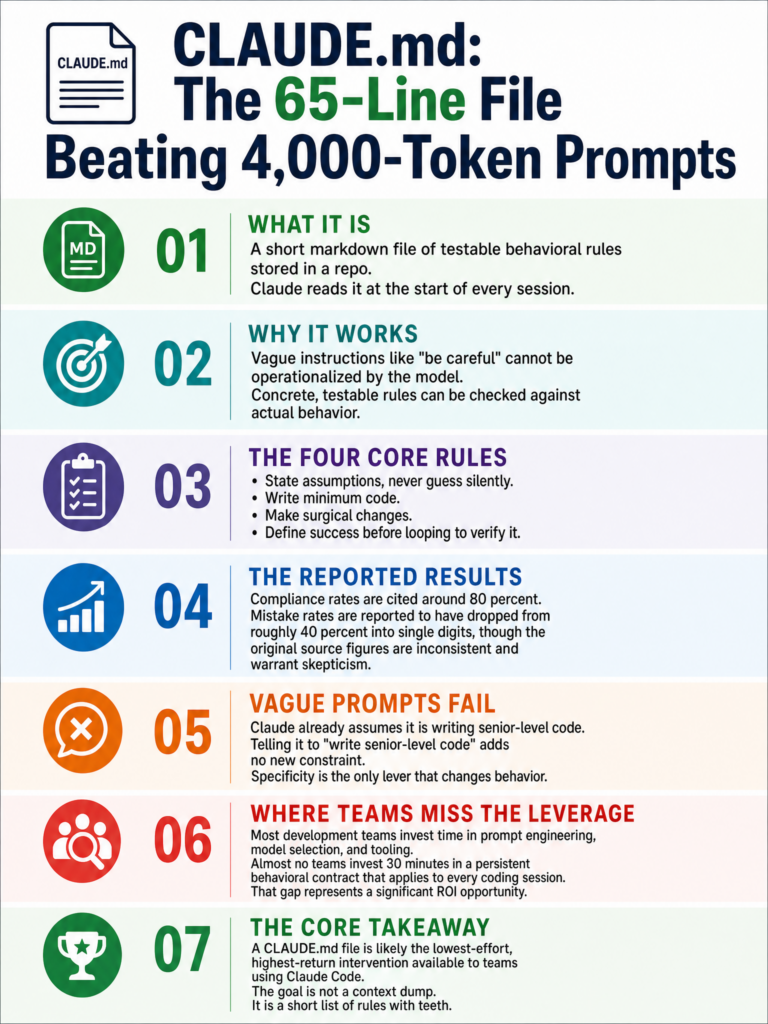
Many developers create extensive CLAUDE.md files containing every possible detail about their repository, believing more information equals better AI assistance. According to Hasn, this approach actually "kills output quality" by overwhelming the model with irrelevant context.
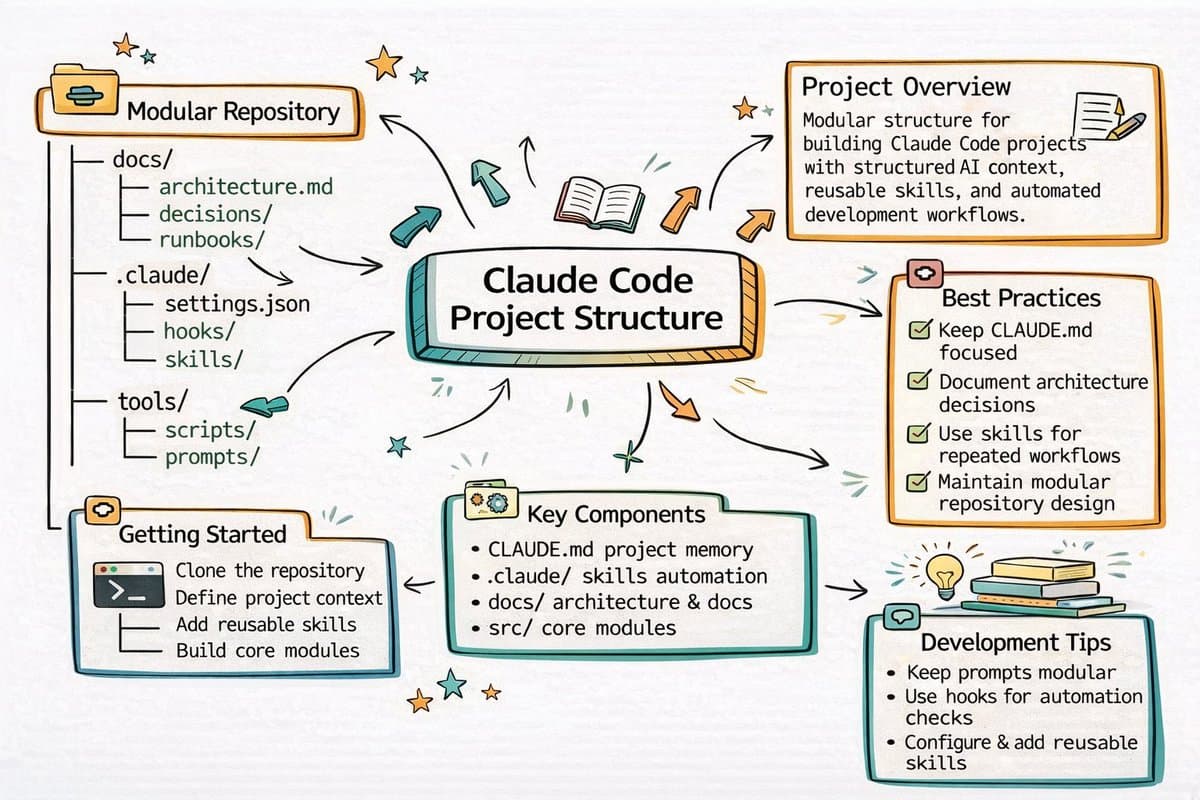
The correct approach treats CLAUDE.md as "repo memory" rather than a comprehensive knowledge base. Hasn recommends keeping it focused on three essential elements: WHY (the project's purpose), WHAT (its scope), and HOW (key architectural decisions). This concise framing helps Claude understand the project's essence without getting lost in details.
The 10 Principles of AI-Optimized Development
Hasn outlines ten practices that distinguish top engineers when working with Claude Code:
Strategic Documentation: Move repeated instructions into
.claude/skills/directories as reusable components like review checklists, refactor playbooks, and release procedures.Hooks Over Memory: For deterministic processes, implement hooks rather than relying on Claude to remember procedures. "Models forget. Hooks don't," Hasn notes.
Progressive Disclosure: Use
docs/directories to store detailed information that Claude can access when needed, rather than loading everything upfront.Localized Context: Place CLAUDE.md files near "sharp edges"—complex areas like authentication (
src/auth/), infrastructure (infra/), or persistence layers where context matters most.Human-Centric Structure: Organize projects as if onboarding a new engineer. If a human would be confused by the structure, Claude will be too.
Context Precision: More context doesn't equal better output. Provide exactly what Claude needs for the current task—nothing more.
Decision Documentation: Explicitly document Architecture Decision Records (ADRs). Claude can't infer why you chose Postgres over DynamoDB unless you write it down.
Modular Prompts: Treat prompts as reusable components stored in
tools/prompts/, versioned alongside code.Architecture Over Prompting: Recognize that "prompting is temporary. Structure is permanent."
The Core Insight: "The real unlock with Claude Code isn't better prompts. It's better project architecture."
Why This Matters for AI-Assisted Development
This perspective represents a fundamental shift in how developers should approach AI coding assistants. Rather than viewing Claude as a magical tool that understands everything through clever prompting, developers should treat it as a team member who needs proper onboarding and clear documentation.
The implications extend beyond Claude Code to other AI development tools. As models become more integrated into development workflows, the quality of their output increasingly depends on how humans structure information for machine consumption.
The Future of AI-Augmented Development
Hasn's insights suggest we're entering a new phase of AI-assisted programming where project architecture becomes a first-class concern. Developers who optimize their repositories for AI comprehension will gain significant productivity advantages.
This approach also addresses a common frustration with AI coding assistants: their tendency to "forget" context or make inconsistent decisions. By externalizing knowledge into structured documentation and automated hooks, developers create more reliable and reproducible workflows.
As AI tools become more sophisticated, the distinction between code and documentation blurs. Well-structured projects with clear decision trails not only help human developers but create ideal conditions for AI collaboration.
Source: @hasantoxr on X (formerly Twitter)