Box Elder County, Utah, will vote on a hyperscale AI data center project after a previous delay. The decision tests how local governments balance AI infrastructure demand against resource constraints.
Key facts
- Box Elder County, Utah votes on hyperscale data center
- Previous decision was delayed without public explanation
- Project tenant or developer not disclosed
- Google operates existing data centers in Utah
- AI data center capacity in U.S. exceeds 50 GW planned
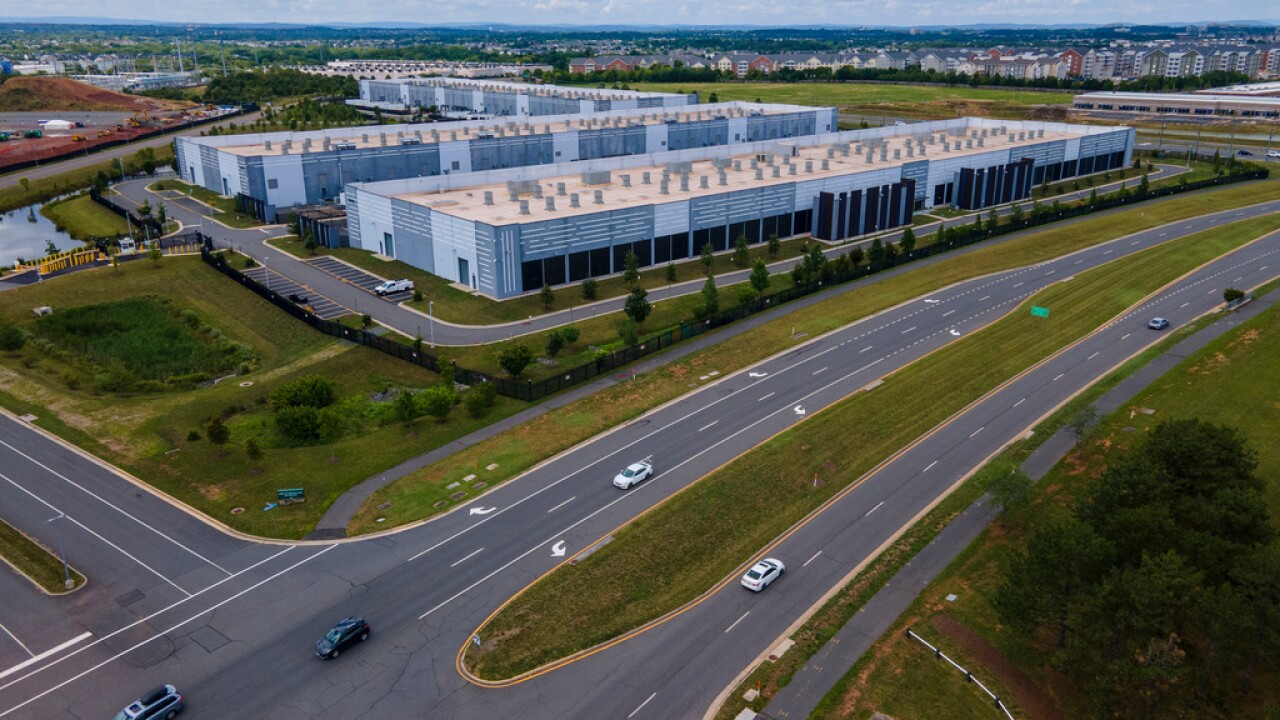
Box Elder County, Utah, is set to vote on a hyperscale data center project after delaying a previous decision, according to The Salt Lake Tribune. The project was originally scheduled for an earlier vote but was postponed, with no public explanation for the delay.
The facility is designed to support AI workloads, though the specific tenant or developer has not been disclosed. The county's vote will determine whether the project proceeds, marking a key test for how smaller jurisdictions handle the surge in AI data center proposals.
The local vs. hyperscaler tension
The Box Elder County vote highlights a growing pattern: local governments are increasingly forced to decide on massive power and water-consuming facilities with limited information. Unlike deals in Northern Virginia or Texas, where hyperscalers like Google and Microsoft negotiate directly with utilities, smaller counties often face proposals with opaque ownership structures.
Google has been particularly active in Utah, with existing data center operations in the state. The company's broader infrastructure push includes a $5B+ Texas data center for Anthropic scheduled for completion by 2026, and a 5GW compute capacity deal with Anthropic signed in May 2026 [per prior reporting].
The unique take: resource pressure without transparency
The AP wire would report this as a routine zoning vote. The structural story is different: Box Elder County represents a wave of second-tier markets where AI data center proposals face heightened scrutiny because local officials lack the expertise to evaluate power demands (typically 100-500MW per facility) and water usage (millions of gallons daily for cooling).
Utah's Great Salt Lake region already faces water scarcity, making the project's cooling requirements a potential flashpoint. The county did not disclose the project's estimated power draw or water consumption in public filings, per the source.
What the vote means for AI infrastructure
A yes vote would add to the 50+ GW of AI data center capacity under construction or planned in the U.S., much of it concentrated in Virginia, Texas, and Ohio. A no vote would signal that even rural counties are beginning to push back on unchecked buildout.
The decision comes amid broader regulatory moves: the White House briefed Google on a potential pre-release AI model review process in May 2026, and the Pentagon struck a deal with seven AI labs for classified systems earlier this month [per prior reporting].
Key Takeaways
- Box Elder County votes on hyperscale AI data center after delay.
- Decision tests local government balance between infrastructure demand and resource constraints.
What to watch

Watch for the vote outcome and whether the county discloses power and water consumption estimates. A no vote would accelerate the trend of AI data centers facing local resistance, potentially pushing hyperscalers toward pre-approved sites in Texas or Ohio.
[Updated 06 May via gn_ai_data_center]
Meanwhile, North Carolina is proposing legislation that would shift the cost of power, water, and grid expansion onto large data centers, challenging traditional incentive models. The bill targets hyperscale facilities, aiming to make developers pay for infrastructure upgrades rather than relying on local subsidies [per Data Center Knowledge]. This move could influence how counties like Box Elder negotiate with prospective data center tenants, potentially setting a precedent for smaller jurisdictions seeking to avoid bearing the full resource burden.