Key Takeaways
- Brands Seekers, a Bahrain-based luxury fashion retailer, launched a multilingual AI personal stylist available in over 150 countries.
- This move signals growing adoption of AI in luxury retail for personalization at scale.
The Innovation — What the Source Reports
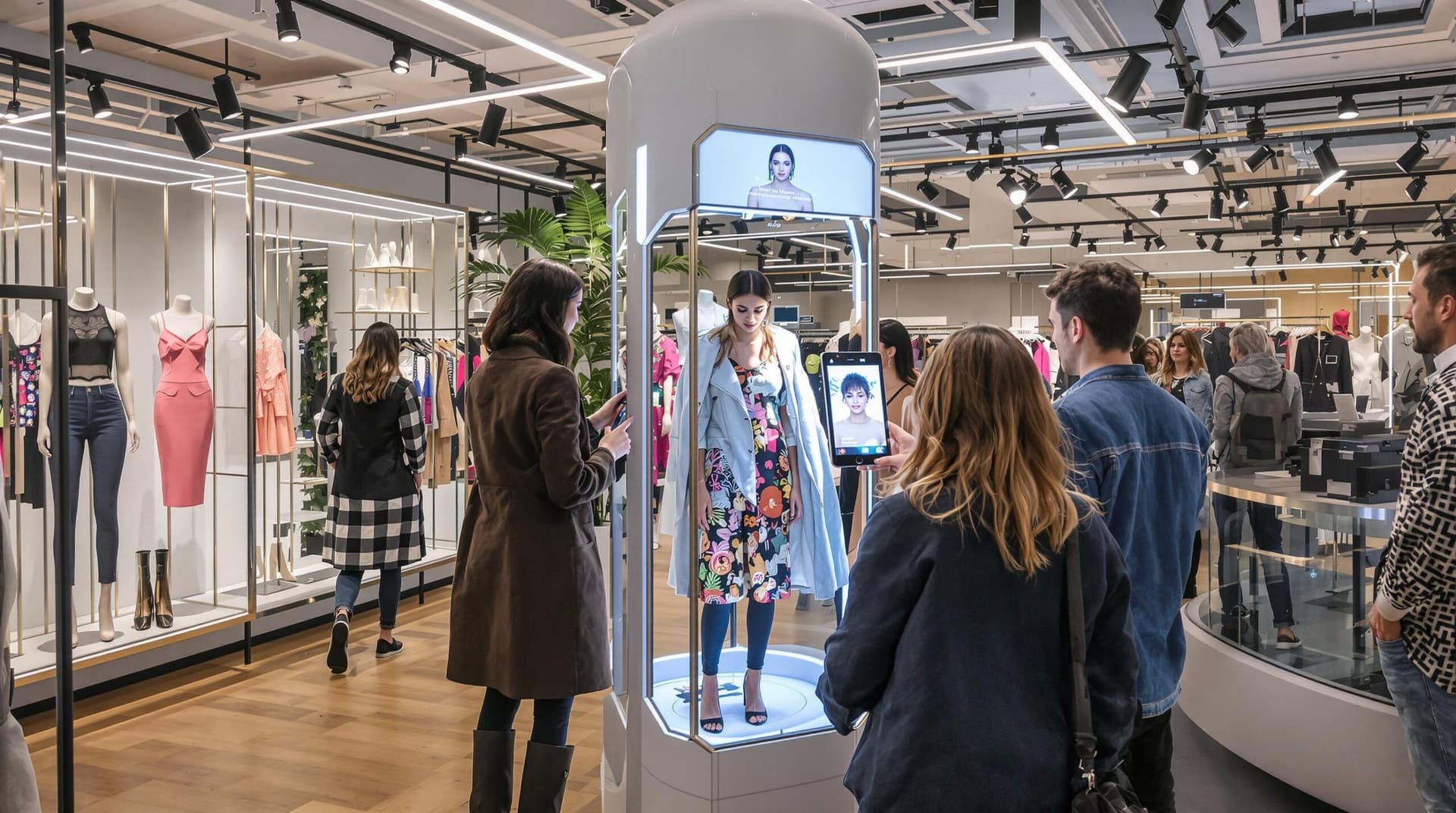
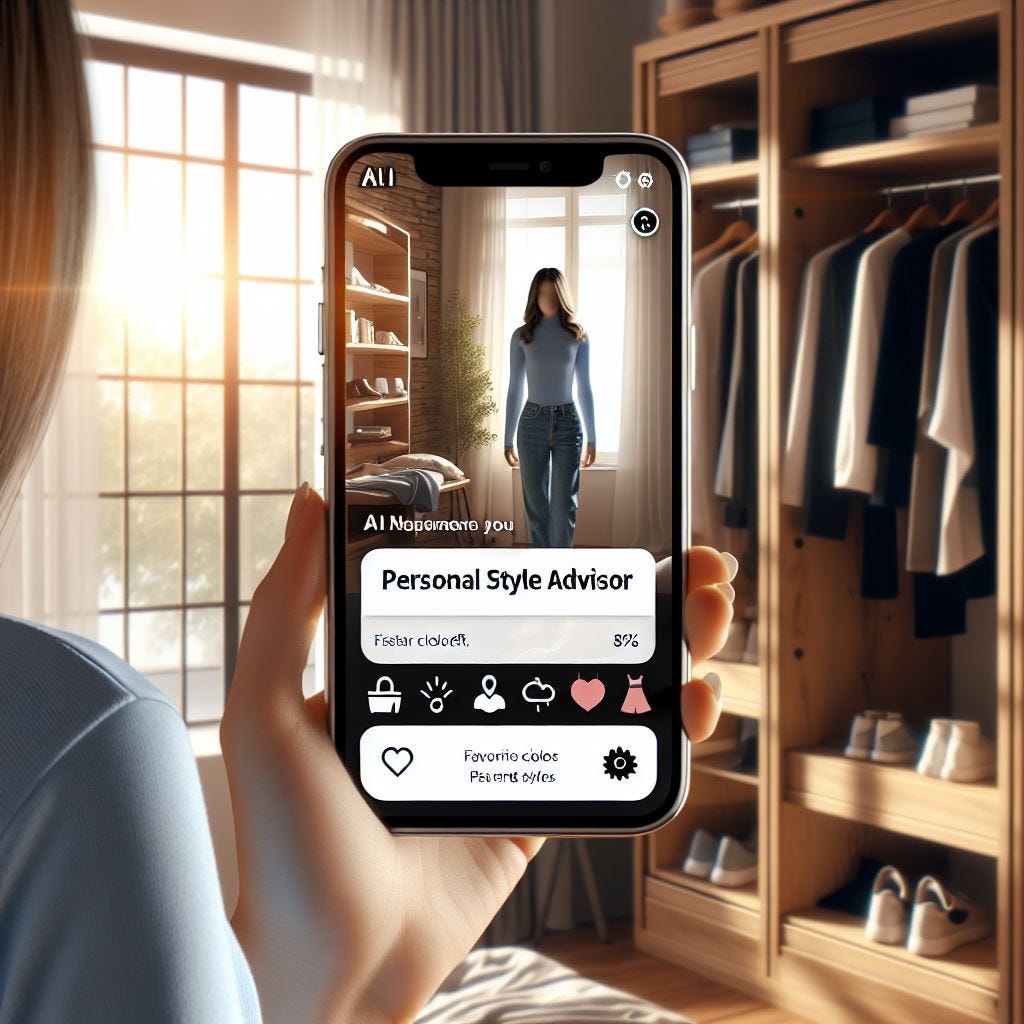
Brands Seekers, a global luxury fashion retailer headquartered in Bahrain, has launched its own AI-powered personal stylist. According to WWD, the tool is multilingual and available to customers in over 150 countries. This positions the retailer as an early mover in deploying generative AI directly to consumers for personalized styling advice at a global scale.
The announcement lacks technical specifics—such as underlying model, integration details, or performance metrics—but the strategic signal is clear: luxury fashion is embracing AI to replicate and scale the in-store personal shopper experience.
Why This Matters for Retail & Luxury
For luxury brands, personalization has traditionally been a high-touch, human-led service reserved for VIP clients in flagship stores. Brands Seekers' AI stylist democratizes this experience, making it accessible across geographies and languages without proportional headcount costs.
Key implications:
- Multilingual capability removes language barriers, critical for luxury brands with dispersed global customer bases.
- Scalable personalization allows smaller luxury retailers to compete with conglomerates on digital experience quality.
- 24/7 availability meets the expectations of younger, digital-native luxury shoppers.
Business Impact
While Brands Seekers has not disclosed adoption or conversion metrics, comparable deployments by other luxury players (e.g., Farfetch's AI stylist, Stitch Fix's algorithms) suggest potential uplifts in average order value (10-15%) and customer retention (20-30% improvement in repeat purchase rates). The key metric will be whether AI-driven recommendations translate into higher basket sizes and reduced return rates—the latter a persistent pain point in luxury e-commerce.
Implementation Approach
Deploying a multilingual AI stylist requires:
- LLM backbone with strong multilingual support (e.g., GPT-4, Gemini, or Claude).
- Product catalog integration via vector embeddings for real-time similarity search.
- Conversational UI that mimics a human stylist's tone—warm, knowledgeable, and aspirational.
- Privacy compliance for handling customer preferences and purchase history, particularly under GDPR and regional data laws.
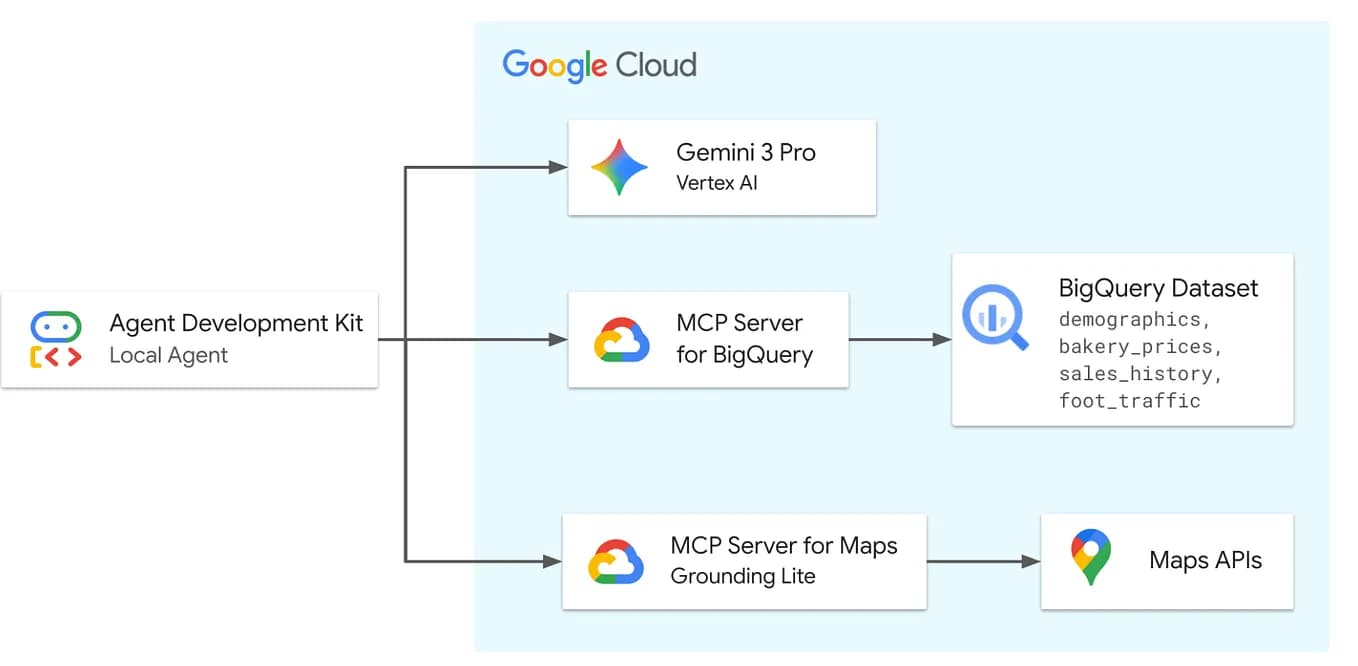
Brands Seekers' infrastructure likely leverages cloud AI services. Given Google Cloud's presence in the region and its Gemini models' multilingual strengths, it is plausible Google Cloud powers this deployment—though this is speculative.
Governance & Risk Assessment
- Privacy risk: Luxury customers expect discretion. AI systems must not leak preference data or purchase history.
- Bias risk: AI stylists must avoid reinforcing stereotypes (e.g., suggesting only certain body types or ethnicities).
- Brand voice consistency: AI outputs must align with the brand's aesthetic and tone—a challenge for off-the-shelf models.
- Maturity: The technology is production-ready for text-based interactions. Image-based styling (e.g., "find a dress like this one") is more complex but increasingly feasible with multimodal models.
gentic.news Analysis
Brands Seekers' launch is a bellwether for luxury AI adoption in the Middle East—a region often overlooked in the AI fashion discourse. The choice to go multilingual and global from day one suggests the retailer is betting on AI to bridge its physical footprint gaps. Unlike LVMH or Kering, which have vast store networks, Brands Seekers uses AI as a force multiplier.
The lack of technical detail is typical for luxury brands, which guard competitive advantages closely. However, the move validates a thesis we've seen emerge across multiple retailers: AI stylists are moving from pilot to production. The next frontier will be integrating these tools with inventory systems to ensure recommendations are not just stylish but available—and profitable.
For AI practitioners, the takeaway is clear: luxury retail's AI adoption is accelerating, and the bar for quality is high. A single off-brand recommendation can erode trust. The winners will be those who combine strong models with deep product data and careful brand governance.
Source: news.google.com
[Updated 11 Jul via gn_ai_luxury]
The AI stylist, named the Luxury Fashion Concierge, supports 41 languages, as detailed in a separate announcement [per EIN Presswire]. This expands on earlier multilingual claims and underscores the retailer's push to serve a linguistically diverse global clientele.