Key Takeaways
- Towards AI published a practical guide on deploying production-ready agentic AI systems with FastAPI and Docker.
- The article covers scalable architecture, orchestration, and enterprise considerations for AI agents.
What Happened
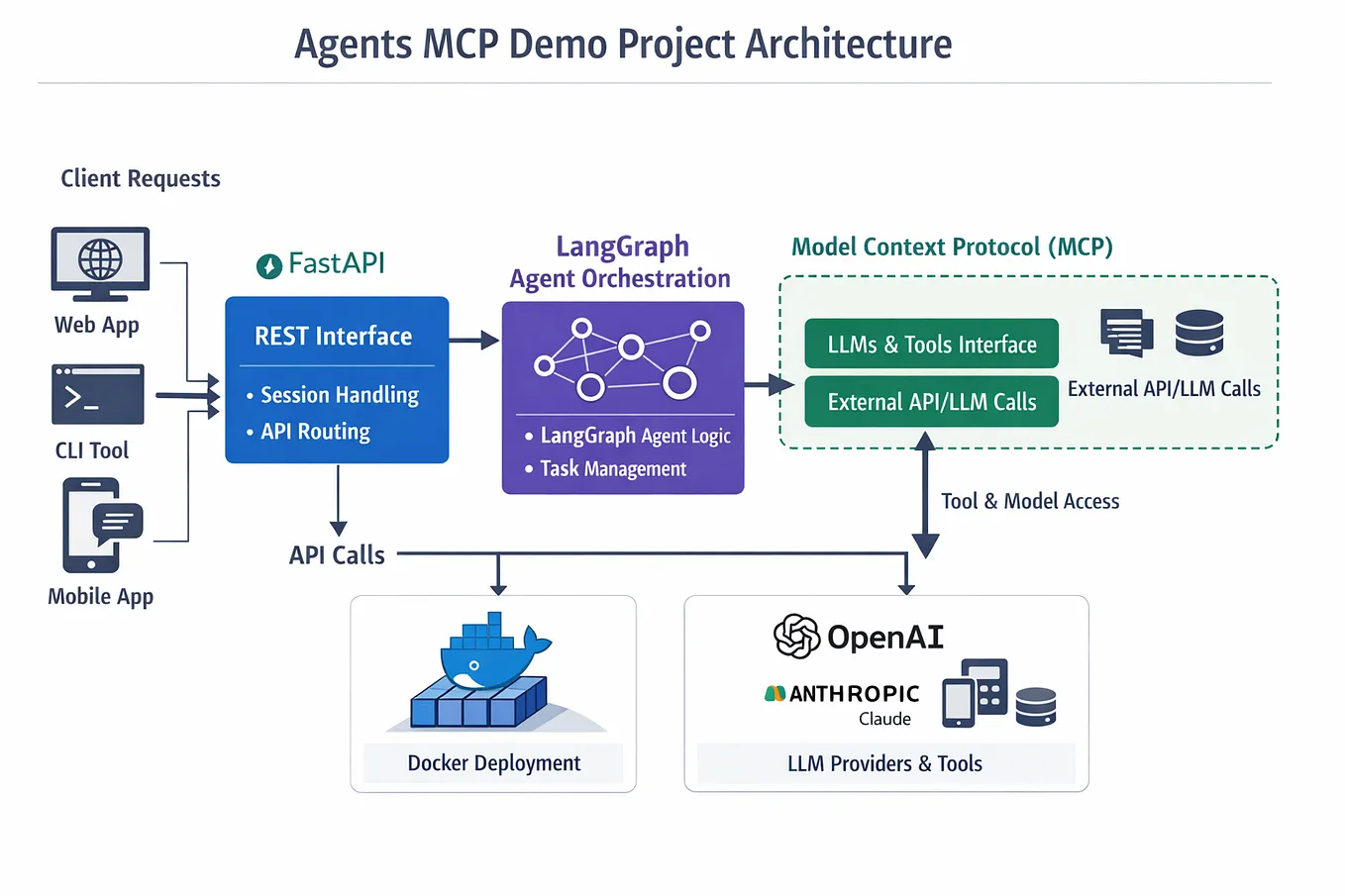
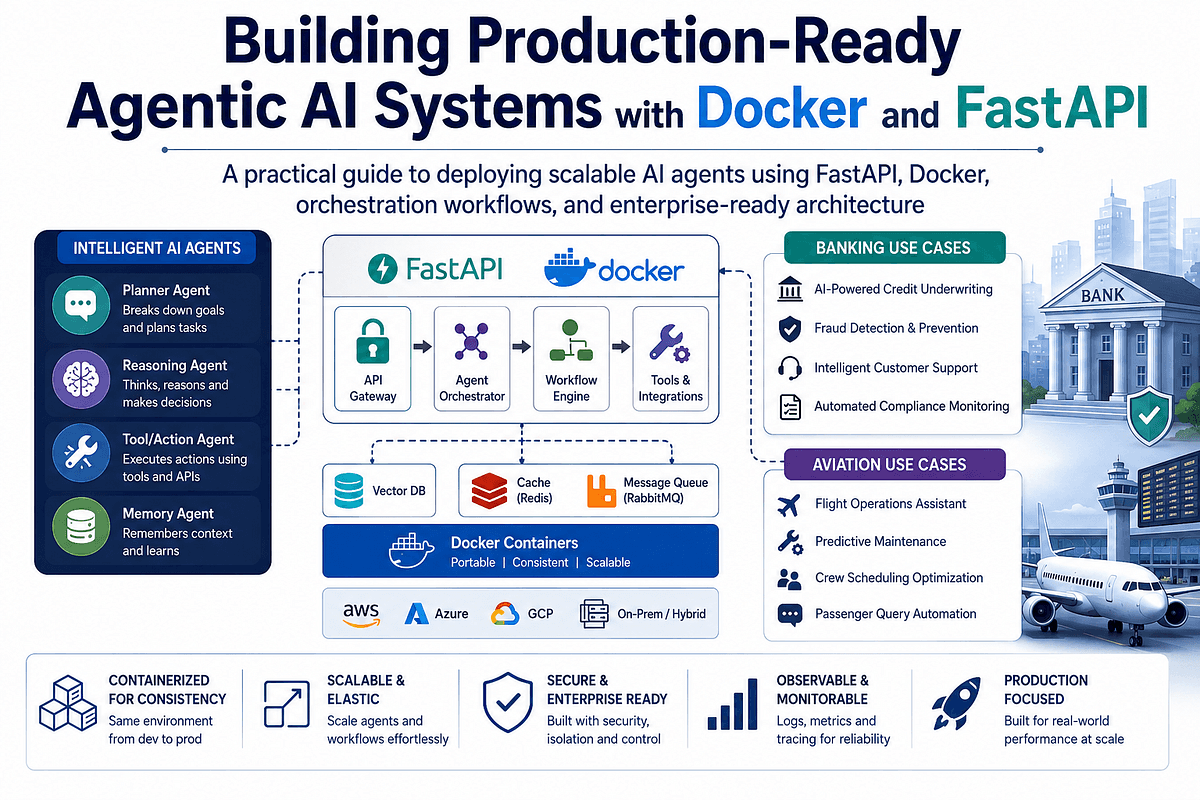
Towards AI published a practical guide titled "Building Production-Ready Agentic AI Systems with Docker and FastAPI" by Hasaan Toor. The article targets AI practitioners looking to move agentic AI from experimental prototypes to scalable, production-grade systems. It covers the full stack: FastAPI for building API endpoints that expose agent capabilities, Docker for containerization and reproducibility, and orchestration workflows to manage multi-agent coordination and task execution.
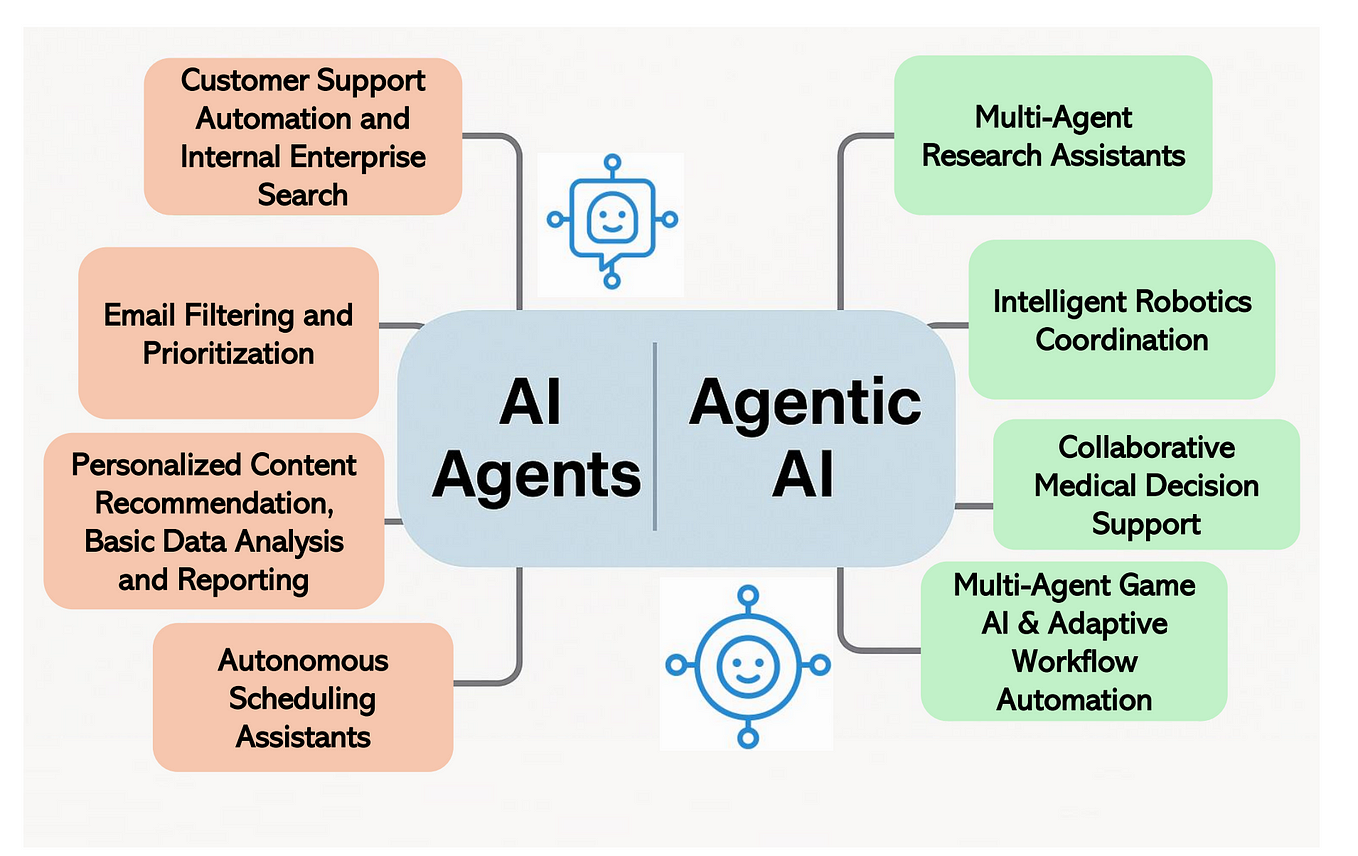
The guide emphasizes enterprise-readiness, addressing concerns like scalability, fault tolerance, and observability — key requirements for any system running in a production environment. It builds on the growing ecosystem of agentic AI tools and frameworks, which have been adopted by companies like Shopify and Blue Yonder for real-world applications.
Technical Details
The article breaks down the architecture into three layers:
API Layer (FastAPI): FastAPI is used to define RESTful endpoints that agents can call to perform specific tasks — retrieving data, triggering workflows, or interacting with external systems. Its async support is critical for handling concurrent agent requests.
Containerization (Docker): Docker ensures that agent environments are reproducible and isolated. Each agent or sub-agent runs in its own container, making it easy to scale horizontally and manage dependencies.
Orchestration: The guide discusses workflow orchestration for multi-agent systems — managing task dependencies, retries, and state persistence. This is where agents coordinate to complete complex, multi-step goals.
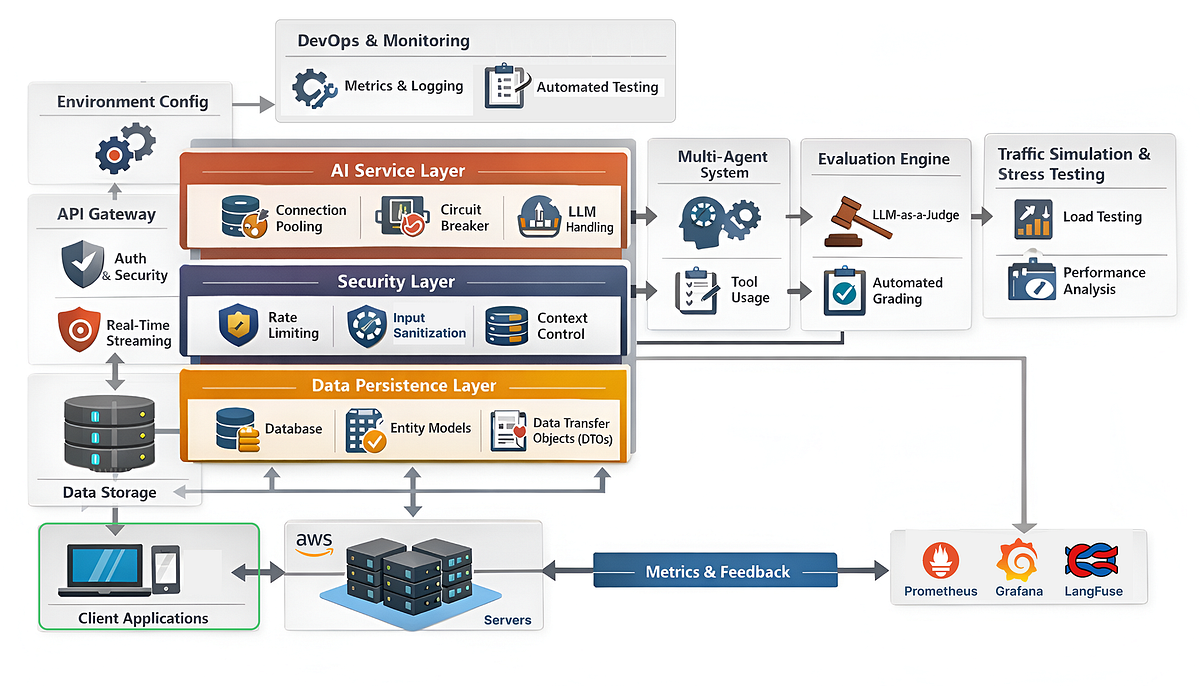
The guide also touches on monitoring and logging, essential for debugging agent behavior in production. It recommends using structured logging and metrics collection to track agent decisions, tool usage, and failure modes.
Retail & Luxury Implications
While the article is a general technical guide, its principles are directly applicable to retail and luxury AI deployments. Retailers and luxury brands are increasingly experimenting with agentic AI for:
Personalized shopping assistants: Agents that browse inventory, check stock, and recommend products based on customer preferences. FastAPI and Docker provide the infrastructure to deploy these agents at scale.
Supply chain coordination: Multi-agent systems where one agent monitors inventory, another forecasts demand, and a third places orders — all coordinated via orchestration workflows. Blue Yonder, a supply chain platform, already uses agentic AI for this purpose.
Customer service escalation: Agents that handle routine queries (order status, returns) and escalate to human agents when needed. The containerized approach allows these agents to be updated independently without downtime.
However, luxury brands must consider additional requirements: latency for real-time interactions, data privacy (customer profiles and purchase history), and brand consistency in agent responses. The guide's emphasis on observability and fault tolerance is critical here — a misbehaving agent in a luxury context can damage brand trust.
Business Impact
The guide does not provide specific metrics, but the broader trend of agentic AI adoption in retail is clear. Our coverage shows that 64% of UK consumers want to use agentic AI for shopping, and companies like MoEngage are betting that AI agents will replace traditional campaign management. For luxury brands, the operational benefits include:
Reduced time-to-market for AI features: Docker and FastAPI enable rapid iteration and deployment of new agent capabilities.
Scalability during peak seasons: Container orchestration allows agents to scale up during holiday sales and scale down afterward.
Lower risk of agent failures: Structured logging and monitoring reduce the blast radius of a faulty agent.
Implementation Approach
For a retail or luxury brand looking to adopt this architecture:
Start with a single agent: Deploy a simple FastAPI endpoint for a customer-facing task (e.g., product search). Containerize it with Docker and monitor its performance.
Add orchestration gradually: Once the single agent is stable, introduce a workflow manager to coordinate multiple agents (e.g., one for product search, one for inventory check, one for pricing).
Invest in observability: Use tools like Prometheus and Grafana to track agent latency, error rates, and decision quality.
Governance: Implement human-in-the-loop for high-stakes actions (e.g., price changes or order cancellations). The guide's architecture makes this easier by separating agent logic from execution.
Governance & Risk Assessment
Maturity: The technology is production-ready for simple agents (single-task, deterministic). Multi-agent orchestration is still maturing.
Privacy: Docker containers isolate agent data, but customer data must still be encrypted at rest and in transit. FastAPI's middleware can enforce authentication and authorization.
Bias: Agents trained on historical retail data may exhibit bias (e.g., recommending higher-priced items to certain demographics). Monitoring agent decisions is essential.
Regulatory: In luxury markets (e.g., EU), GDPR compliance requires agents to log decisions and allow customers to opt out of AI-driven interactions. The guide's logging framework supports this.
Source: pub.towardsai.net