Key Takeaways
- Total Retail reports agentic commerce is underway, citing IBM data that 41% of consumers use AI for research and 33% for purchases.
- Retailers now need agency partners equipped for nonhuman buyers and AI agents.
What Happened
Agentic commerce is no longer a future concept — it's happening now. Payment processors are rolling out partnerships and integrations that enable nonhuman buyers to make purchases, and retailers are being told they need agency partners ready for this shift.
IBM data cited in the report shows that 41 percent of consumers already use AI to research products, and 33 percent use it to make purchases. These are not hypothetical numbers — they represent a significant, measurable shift in how shoppers approach buying.
The report, published by Total Retail, argues that retailers need agency partners who are prepared for agentic AI. This isn't about bolting a chatbot onto a website — it's about building commerce experiences that work for autonomous AI agents as much as for human customers.
Technical Details
The technical landscape is evolving rapidly. PYMNTS coverage of the same story notes that retail spent two years bolting chatbots onto websites that could field a shopper's specific questions but never close a sale. That era is ending.
Voice agents built on models like OpenAI's GPT-Realtime are changing the game. These agents can:
- Hold real sales conversations
- Ask the same probing questions a floor associate would
- Adapt as a shopper's needs shift
- Operate entirely without human intervention
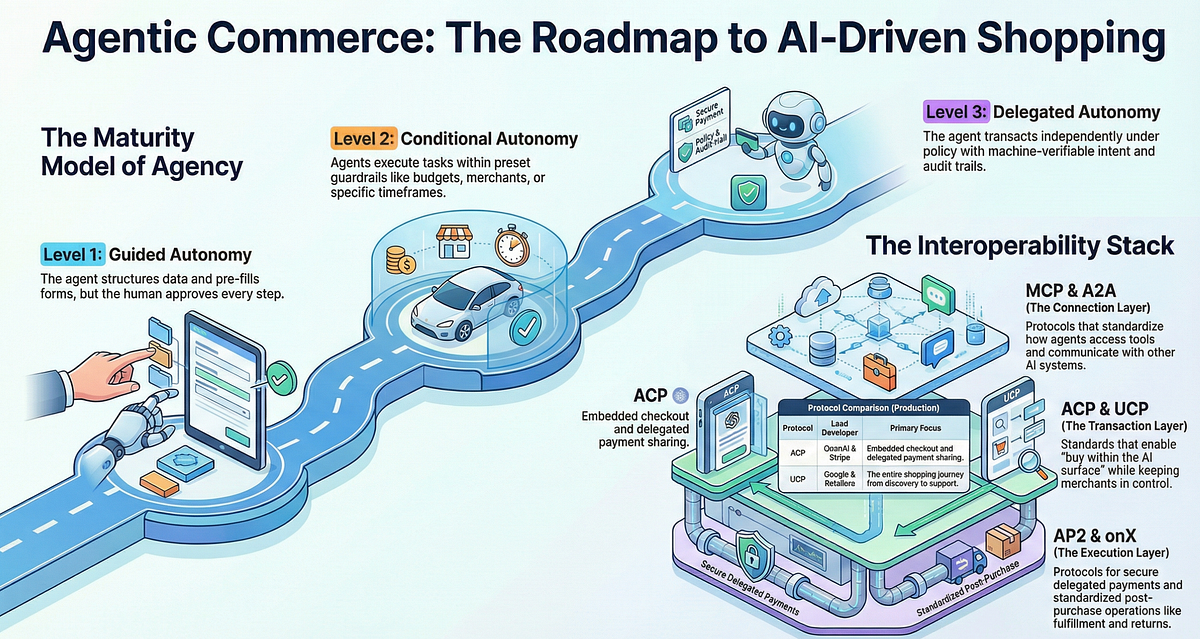
Meanwhile, payment processors are building the rails for nonhuman buyers. This means the entire commerce stack — from discovery to payment — needs to be agent-ready.
Related developments reinforce this trend:
- JD Sports and Braze are building the future of agentic commerce, according to WWD
- TikTok is building agentic AI for advertising, per AdWeek
- Agentic AI Commerce Services are emerging as a category, per Trend Hunter
Retail & Luxury Implications

For retailers — particularly those in luxury and premium segments — the implications are significant.
The Luxury Conundrum
Luxury retail has historically been built on human relationships. The personal shopper, the bespoke consultation, the white-glove service. Agentic AI doesn't eliminate this — it changes who the "customer" is at the point of transaction.
When 41 percent of consumers use AI to research products, the research phase is already automated. When 33 percent use AI to purchase, the transaction itself is being delegated. Luxury retailers need to decide: do they build experiences for the human, the agent, or both?
The answer is both. An agent researching a luxury handbag needs access to the same product knowledge a human shopper would expect. The agent needs to understand materials, craftsmanship, brand heritage. If your product data isn't structured for agent consumption, you're invisible to 33 percent of purchasers.
The Agency Gap
The core argument of the Total Retail piece is that retailers need agency partners ready for agentic AI. This is a real gap. Most agencies were built for the web era — SEO, paid media, email. Few have deep expertise in agentic commerce.
What does an agent-ready agency look like?
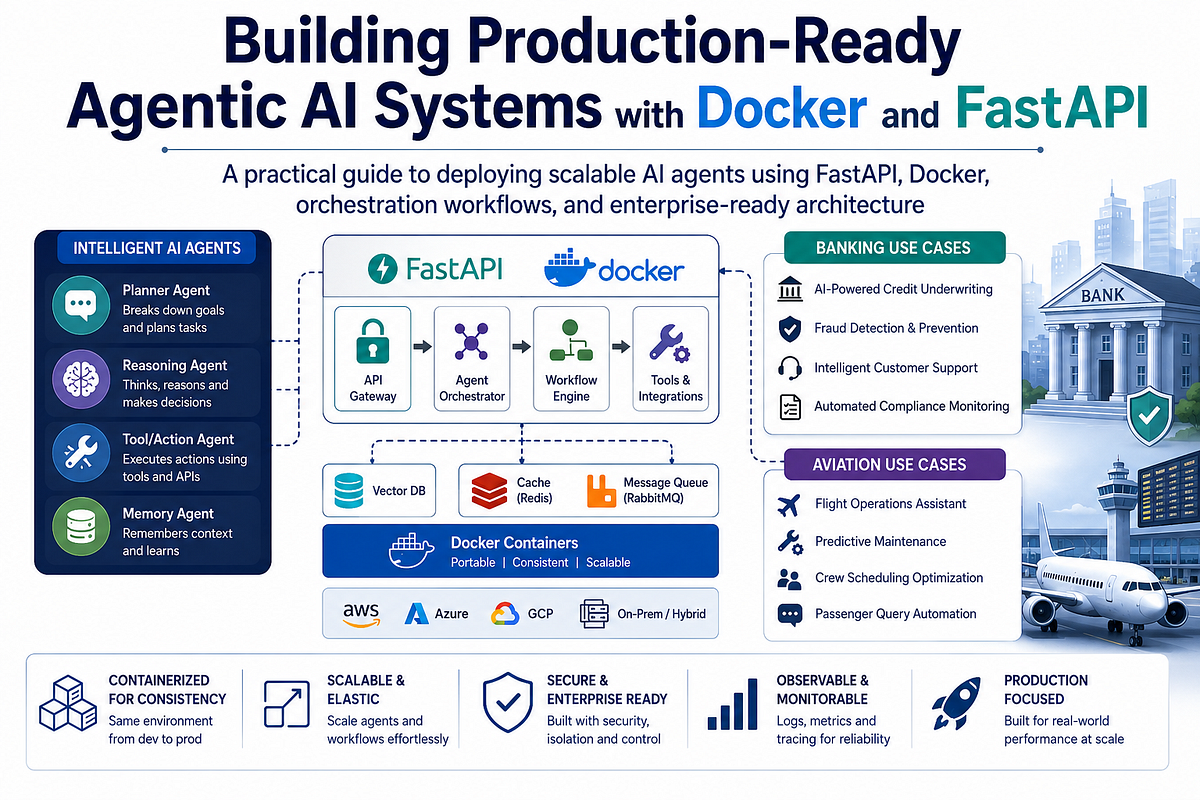
- They understand AI agent architectures — not just chatbots, but autonomous systems that can browse, compare, and purchase
- They can structure data for agent consumption — product feeds, inventory data, and pricing that agents can parse and act on
- They understand payment rails for nonhuman buyers — the partnerships and integrations payment processors are building
- They can measure agent-driven revenue — attribution is different when the buyer is an algorithm
Business Impact
The business impact is difficult to quantify precisely because the shift is so recent. But the IBM data provides a baseline: 41 percent of consumers research with AI, 33 percent purchase with AI. If those numbers hold or grow, retailers who aren't agent-ready are losing a third of potential transactions.
For luxury specifically, the stakes are higher. Luxury purchases are considered, researched, and deliberated. AI agents are well-suited to this kind of extended research process. A customer might spend weeks researching a watch, a handbag, or a piece of jewelry — and that research is increasingly happening through AI.
Implementation Approach
For retailers looking to prepare for agentic commerce, the practical steps are:
- Audit your product data — Can an AI agent parse your product descriptions, pricing, and availability? If not, fix that first.
- Evaluate your agency partners — Do they have demonstrable agentic AI capabilities, or are they selling you chatbots?
- Understand payment integrations — What partnerships are your payment processors building for nonhuman buyers?
- Test with voice agents — Models like OpenAI's GPT-Realtime can hold real sales conversations. Test them against your product catalog.
Governance & Risk Assessment
Maturity level: Early. The technology is real, but best practices are still forming.
Key risks:
- Attribution complexity — When an AI agent makes a purchase, who gets credit for the sale? This complicates marketing attribution and agency compensation.
- Brand control — Agents will represent your brand in conversations you don't see. Governance is essential.
- Data quality — Agentic commerce is only as good as your product data. Poor data means poor agent experiences.
gentic.news Analysis
Agentic commerce represents a structural shift in how retail transactions occur. The Total Retail piece is right to emphasize the agency gap — most agencies are not equipped for this transition. But the deeper story is about data architecture.
An AI agent that purchases on behalf of a consumer is fundamentally different from a chatbot that answers questions. It requires structured, machine-readable product data, real-time inventory APIs, and payment rails that support nonhuman authentication. The retailers who win will be those who treat agents as first-class customers, not afterthoughts.
The IBM numbers — 41 percent researching, 33 percent purchasing — are the headline. But the more interesting signal is the payment processor activity. When payment companies build for nonhuman buyers, the infrastructure shift is real. This is not a fad.
For luxury retailers specifically, the challenge is acute. The luxury experience is built on human judgment and taste. Delegating that to an algorithm feels risky. But the customer is already delegating their research and, increasingly, their purchases. The question isn't whether to participate in agentic commerce — it's how to do it without losing the brand essence that makes luxury valuable in the first place.
The agencies that will win this transition are those that can bridge the gap between the technical realities of agentic AI and the brand-building imperatives of retail. That's a rare combination today, which is precisely why the Total Retail piece is worth heeding.
Source: mytotalretail.com