What Happened
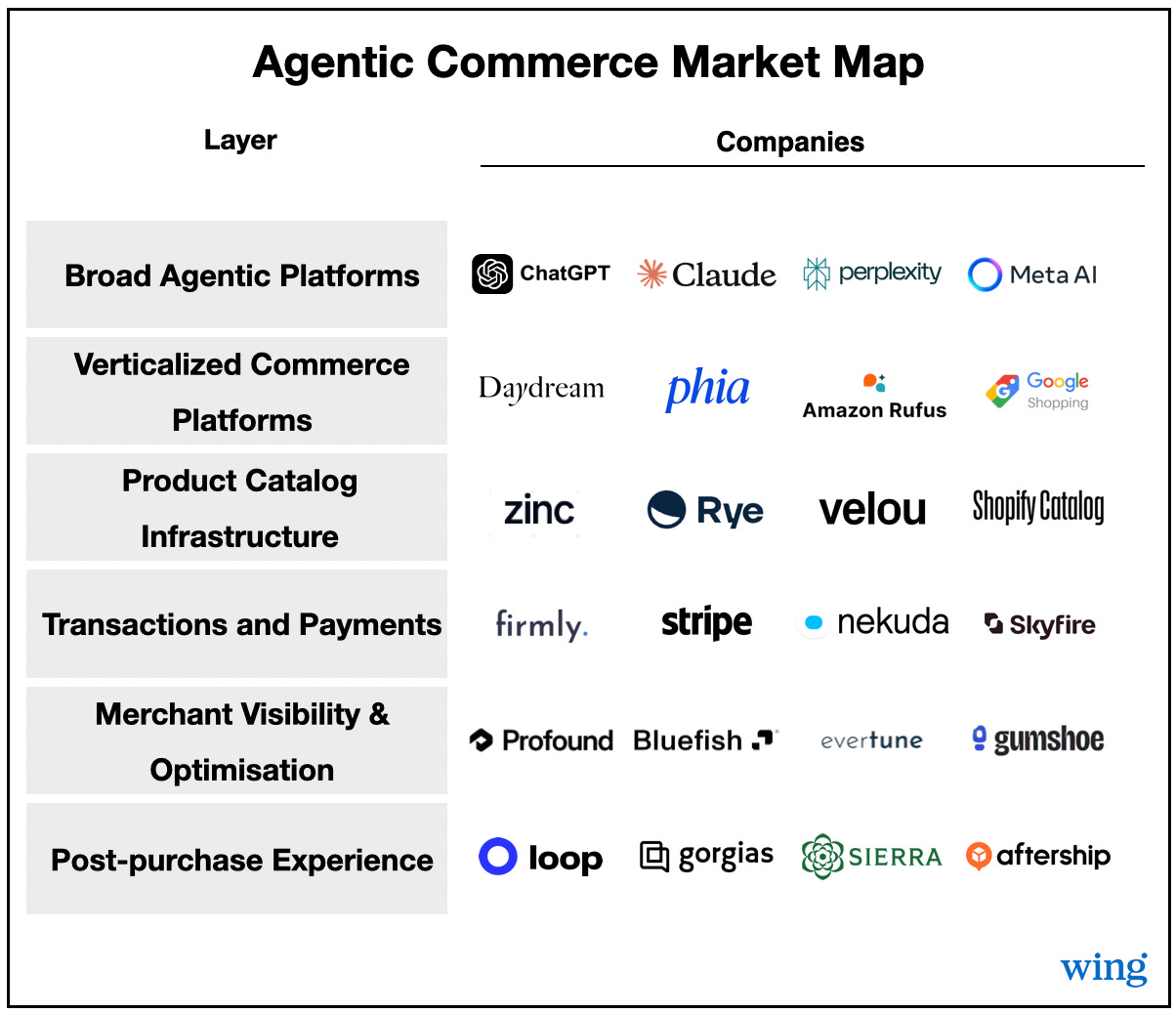
Valtech's Retail at the Crossroads 2026 research surveyed hundreds of senior retail leaders globally and found that the industry's measurement frameworks are failing to keep pace with AI-driven changes in commerce. Key findings include:
- 96% of retailers face barriers to delivering seamless customer experiences, with inconsistent customer ID matching (17%), poor data integration (16%), and legacy tech (9%) as top obstacles.
- Nearly 75% cannot connect AI investments to clear performance metrics.
- 48% remain stuck in "pilot purgatory"—experimenting with AI without scaling to meaningful impact.
- Only 46% offer a truly unified experience across touchpoints.
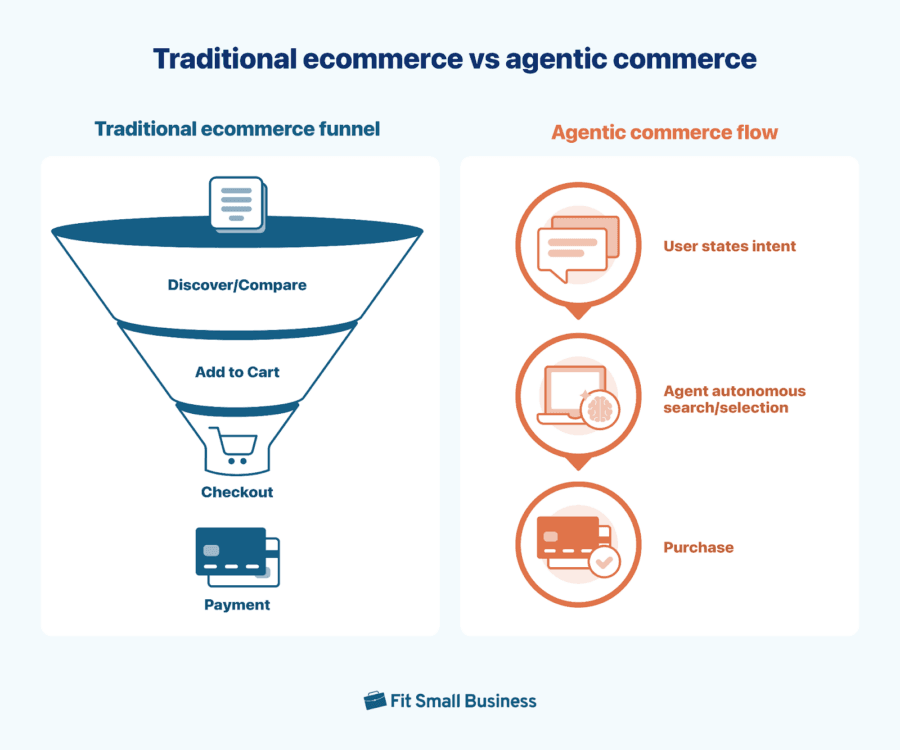
The report argues that as AI increasingly shapes discovery, decision-making, and customer engagement—a shift toward "agentic commerce"—traditional metrics built for linear customer journeys break down. Retailers are spending more on technology than ever but lack frameworks to measure whether that spend drives business outcomes.
Why Traditional Metrics Fail
The core problem is that yesterday's measurement models assume a predictable, linear customer journey: awareness → consideration → purchase → loyalty. But agentic commerce introduces AI-powered agents that handle discovery, comparison, and even purchase decisions autonomously, fragmenting the journey into non-linear, multi-touchpoint paths that legacy metrics cannot capture.
For example, a customer might interact with a brand via a conversational AI assistant on WhatsApp, then later via a personalized email generated by a recommendation engine, then through a voice search on a smart speaker—all without ever visiting the brand's website. Traditional attribution models (first-click, last-click, multi-touch) fail to assign credit accurately in such scenarios.
The Data Fragmentation Problem
AI systems are only as effective as the data feeding them. The report highlights that product information spread across disconnected systems or governed by inconsistent standards limits everything from personalization to discovery and conversion. Only 46% of retailers offer a unified experience, while 35% say they're "mostly integrated but still fragmented."
This data fragmentation directly undermines AI's ability to deliver value. In agentic commerce, where AI agents need rich, structured, and connected data to make decisions on behalf of customers, poor data hygiene becomes a competitive liability.
Retail & Luxury Implications

For luxury retailers, the stakes are especially high. Agentic commerce could mean AI agents acting as personal shoppers—curating selections, answering nuanced questions about craftsmanship or provenance, and even negotiating pricing or availability. If the underlying product data is fragmented (e.g., inconsistent descriptions across regions, missing sustainability certifications, or poor image metadata), the AI agent will deliver subpar recommendations, damaging brand equity.
Similarly, for omnichannel luxury brands, the inability to measure AI's impact across channels means executives cannot determine whether investments in AI-powered personalization, chatbots, or dynamic pricing are actually driving revenue or merely creating operational noise.
Business Impact
Valtech's research quantifies the scale of the problem: nearly 75% of retailers cannot tie AI spend to outcomes. This creates a vicious cycle where budget holders hesitate to fund AI initiatives due to lack of ROI evidence, while teams continue launching pilots that never scale. The 48% stuck in pilot purgatory represent billions in wasted investment industry-wide.
Implementation Approach
To move from pilot purgatory to measurable impact, retailers should:
- Unify customer identity across touchpoints (tackling the 17% ID matching barrier).
- Standardize product data with rich, structured metadata (material, origin, size, sustainability scores).
- Adopt new measurement frameworks that account for non-linear journeys, such as incremental lift testing, unified attribution models, and AI-specific KPIs (e.g., agent conversion rate, recommendation acceptance rate).
- Invest in data integration platforms to break down silos between CRM, ERP, PIM, and e-commerce systems.
Governance & Risk Assessment
Maturity level: Early. Most retailers lack the data infrastructure and measurement frameworks to operationalize agentic commerce effectively. The 75% who can't measure AI ROI face significant risk of over-investment without returns. Privacy and compliance risks also emerge when customer ID matching and data integration cut across jurisdictions (e.g., GDPR in Europe, CCPA in California).
Recommendation: Before scaling AI agents, invest heavily in data unification and measurement redesign. Otherwise, agentic commerce risks becoming the next expensive pilot that never pays off.
Source: mytotalretail.com
[Updated 25 Jun via pymnts]
In a sign that agentic commerce is attracting serious capital, Airwallex—a business payments and financial platform—raised $320 million in Series H funding on June 25, reaching an $11 billion valuation. The company explicitly stated the funds will fuel development of autonomous finance and agentic commerce capabilities, alongside expanding infrastructure into new markets [per PYMNTS]. This investment underscores the industry's recognition that traditional financial metrics and payment rails must evolve to support AI-driven, non-linear transaction flows.
[Updated 26 Jun via gn_ai_retail_usecase]
Salesforce has launched Agentforce Commerce, an agentic AI suite that directly integrates with retailers' existing CRM and commerce clouds to automate tasks like personalized offers, order management, and customer service interactions. The platform goes beyond pilots, claiming measurable revenue uplift for early adopters [per The Futurum Group]. This directly addresses Valtech's finding that 48% of retailers are stuck in pilot purgatory, offering a production-ready path to scale.
[Updated 28 Jun via agentic_commerce_news]
Regulatory scrutiny is now converging on agentic commerce. New York's top financial regulator, the Department of Financial Services (DFS), has begun examining how AI-powered agents handle payments, lending, and customer data in retail settings, according to a report by American Banker. The DFS is particularly focused on liability frameworks when autonomous agents make financial decisions on behalf of consumers, and whether existing consumer protection laws apply. This oversight could force retailers to accelerate governance and compliance measures for agentic systems, adding a new layer of urgency to the data unification and metric redesign Valtech recommends.