Key Takeaways
- EDB claims its Postgres AI beats dedicated vector databases, lakehouses, and document stores on speed, accuracy, and cost for agentic AI.
- The benchmark results suggest potential cost savings for enterprises building AI agents.
What Happened
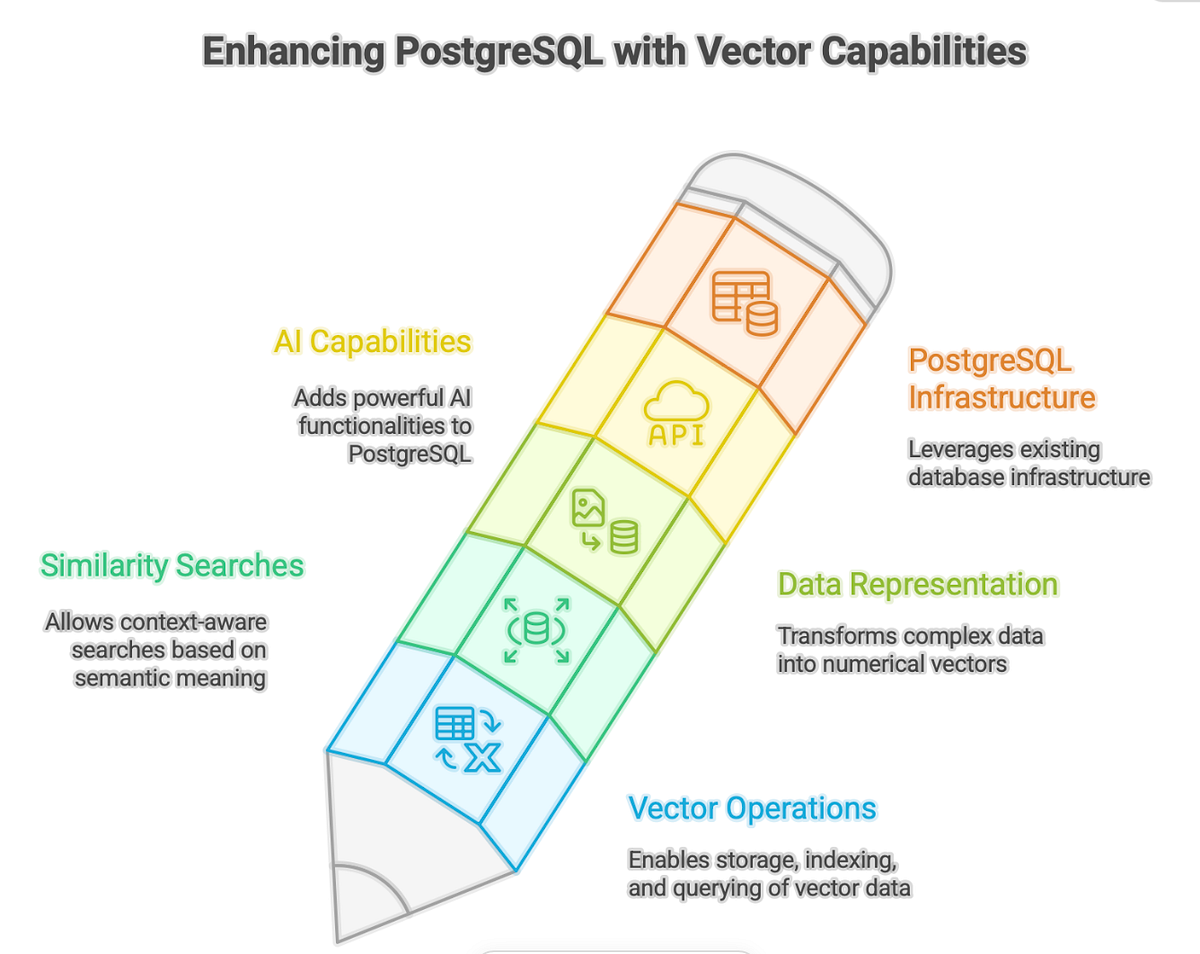
Enterprise database company EDB announced that its Postgres AI platform has outperformed specialized vector databases, lakehouses, and document stores in benchmarks for agentic AI workloads. The tests measured speed, accuracy, and cost across multiple agentic AI scenarios, including retrieval-augmented generation (RAG) and multi-step reasoning tasks.
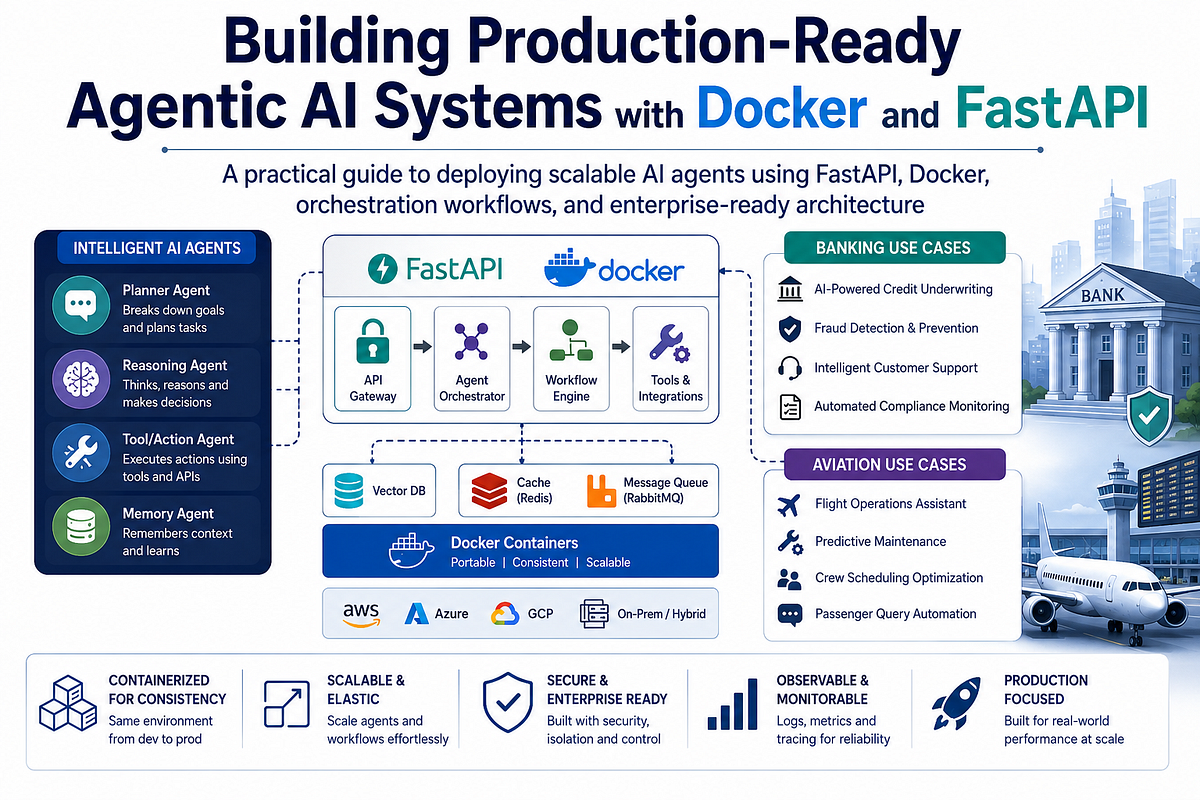
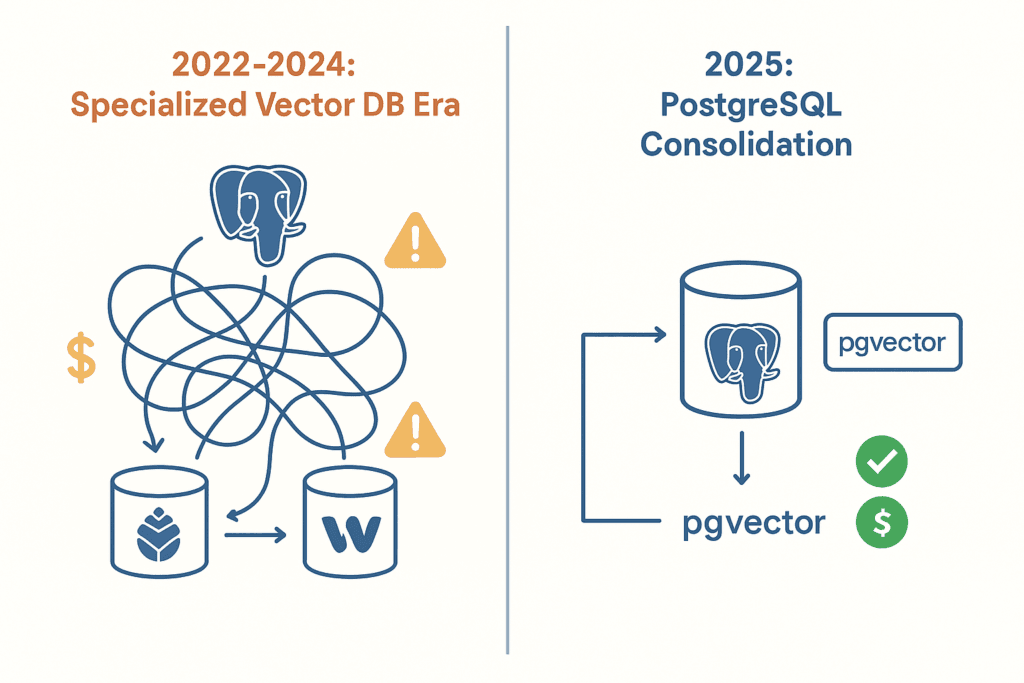
EDB's claim is significant because most organizations building agentic AI systems today rely on dedicated vector databases like Pinecone, Weaviate, or Milvus for semantic search, or on data lakehouses like Databricks for large-scale analytics. EDB argues that a single PostgreSQL-based platform can handle all these workloads without sacrificing performance.
Technical Details
The benchmarks compared EDB Postgres AI against:
- Vector databases (unnamed in the source) for similarity search and RAG
- Lakehouses for analytical queries on structured data
- Document stores for unstructured document retrieval
EDB reported that Postgres AI delivered:
- Higher query throughput under concurrent agentic AI workloads
- Better accuracy on retrieval tasks (likely recall and precision metrics)
- Lower total cost of ownership by eliminating the need for multiple specialized systems
The company emphasized that agentic AI systems require a mix of structured data lookups, vector similarity searches, and document retrieval within a single transaction — something that traditional architectures handle poorly.
Retail & Luxury Implications
For luxury and retail companies building AI agents — whether for customer service, inventory management, or personalized recommendations — database choice directly impacts performance and cost. EDB's benchmark results suggest that:
Simplified infrastructure: A single PostgreSQL database could replace the common stack of a vector DB (for product search) + a document store (for catalogs) + a relational DB (for transactions). This reduces operational complexity for IT teams already stretched thin.
Cost savings: Luxury brands running AI agents at scale (e.g., 24/7 concierge chatbots, visual search for thousands of SKUs) could see significant infrastructure cost reductions by consolidating onto one platform.
Transaction consistency: Agentic AI systems often need to combine real-time inventory lookups with semantic product search. A unified database ensures ACID compliance — critical for luxury brands where stock accuracy matters.
However, the benchmarks are vendor-commissioned and lack independent verification. Luxury AI teams should treat these results as directional, not definitive, and test against their own workloads.
Business Impact

If EDB's claims hold up in real-world deployments, the implications are:
- Up to 40-60% infrastructure cost reduction by eliminating separate vector and document databases
- Faster agent response times due to reduced data movement between systems
- Simpler compliance — fewer databases means fewer attack surfaces and easier audit trails for luxury brands with strict data governance requirements
Implementation Approach
Adopting EDB Postgres AI for agentic AI requires:
- Migration from existing vector databases — EDB provides migration tools, but brands should expect some downtime during transition
- Schema redesign — optimizing PostgreSQL for hybrid workloads may require new indexing strategies (e.g., combining B-tree and HNSW indexes)
- Agent framework integration — most agentic AI frameworks (LangChain, CrewAI, AutoGen) support PostgreSQL natively, but connection pooling and query optimization may need tuning
Governance & Risk Assessment
- Maturity: EDB Postgres AI is production-ready, but benchmarks are vendor-claimed. Independent validation is pending.
- Vendor lock-in: PostgreSQL is open-source, so migration to other Postgres-compatible services is possible — reducing lock-in risk vs. proprietary vector databases.
- Data privacy: For luxury brands handling customer PII, PostgreSQL's row-level security and encryption features are well-established, unlike some newer vector databases.
gentic.news Analysis
EDB's announcement is part of a broader trend: the commoditization of vector search. As PostgreSQL, MySQL, and even SQLite add vector support, the argument for standalone vector databases weakens. For luxury retail AI teams, this means the database decision is becoming less about vector performance and more about operational simplicity.
However, the benchmarks lack transparency — EDB didn't name the competing databases or publish the exact test methodology. Without independent replication, luxury CTOs should treat this as a signal to evaluate Postgres AI, not as a mandate to migrate.
Google's continued investment in agentic AI (as noted in our knowledge graph) — including Gemini API Managed Agents and Cloud Vertex AI — suggests that the hyperscalers are betting on multi-model databases. EDB's positioning aligns with this: a single database for structured, unstructured, and vector data. But Google Cloud's own AlloyDB and Spanner also offer vector support, so the competitive landscape remains fragmented.
For now, the safest approach for luxury brands is to keep existing vector databases in place while running side-by-side evaluations of EDB Postgres AI. The cost savings are real if the performance holds, but the risk of regressing on retrieval accuracy for mission-critical product search is too high to rush.
Source: news.google.com