A new development in AI capabilities has emerged where Anthropic's Claude assistant can now analyze careers using the specific mental models and thinking patterns of entrepreneur and philosopher Naval Ravikant. This represents a significant advancement in how AI systems can adopt particular intellectual frameworks to provide specialized analysis and guidance.
The Development
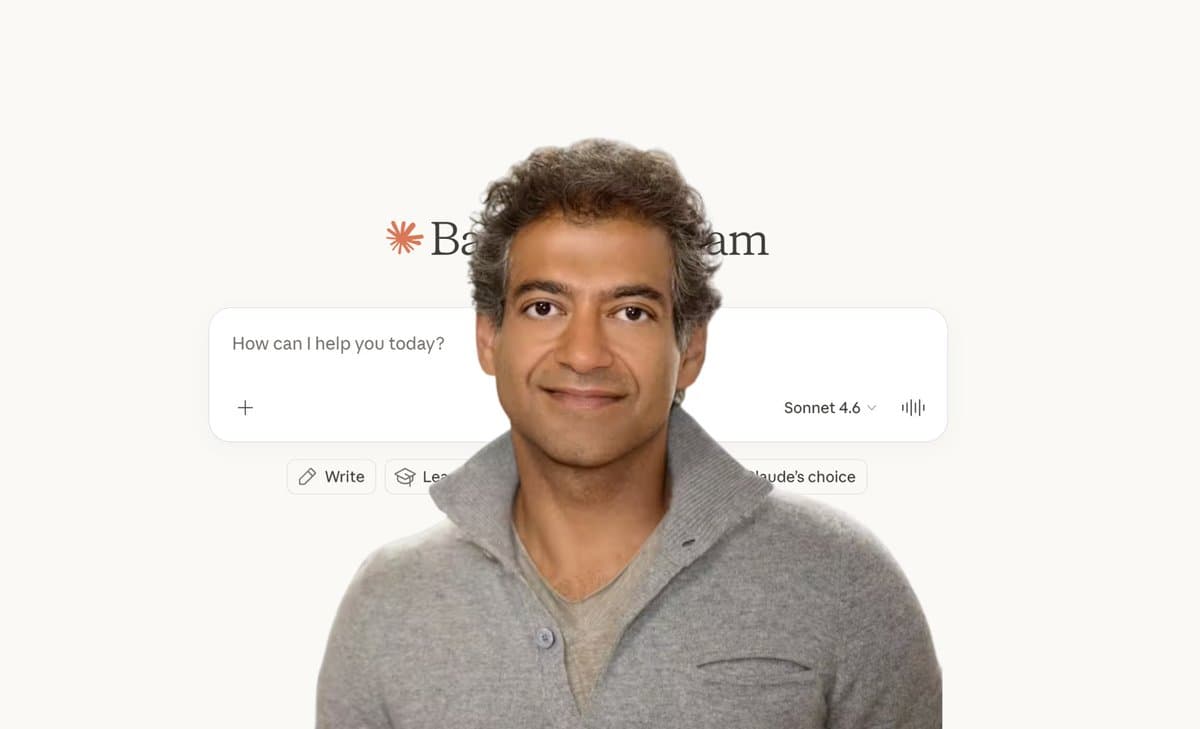
According to recent reports, Claude has demonstrated the ability to think like Naval Ravikant when analyzing career paths, leveraging his exact mental models to map individual knowledge structures, identify leverage points, and chart potential wealth creation pathways. This capability appears to be accessible through specific prompting techniques that guide Claude to adopt Ravikant's distinctive analytical approach.
Naval Ravikant is known for his unique perspectives on wealth creation, career development, and personal growth, distilled through years of writing, podcasting, and public speaking. His mental models emphasize specific principles like specific knowledge, leverage, accountability, and judgment as key components of successful careers in the modern economy.
How It Works
The implementation involves specialized prompts that direct Claude to analyze career situations through Ravikant's specific frameworks. These prompts reportedly enable the AI to:
- Map an individual's specific knowledge - the unique combination of skills, talents, and interests that can't be easily trained or replicated
- Identify leverage points where small efforts can produce disproportionate results
- Analyze wealth creation pathways aligned with personal strengths and market opportunities
- Apply Ravikant's principles about judgment, accountability, and ownership structures
This development represents more than just another AI feature - it demonstrates how large language models can be guided to adopt specific intellectual personas and analytical frameworks. Rather than providing generic career advice, Claude can now offer guidance filtered through Ravikant's particular worldview and principles.
Implications for Career Development
The ability to access Ravikant's mental models through AI interaction could democratize access to high-level career thinking that was previously available only through studying his extensive body of work or personal consultation. Users can now receive personalized analysis based on these frameworks without needing to master the underlying principles themselves.
This development also raises interesting questions about how AI systems might adopt other intellectual frameworks. If Claude can think like Naval Ravikant, could it similarly adopt the thinking patterns of other notable figures in business, science, or philosophy? The potential for AI to serve as an interface to various intellectual traditions could transform how people access expert thinking.
Technical Considerations
While the source material doesn't detail the technical implementation, this capability likely involves sophisticated prompting techniques that guide Claude's responses within specific conceptual boundaries. The AI isn't "becoming" Naval Ravikant but rather applying his documented principles and mental models to career analysis problems.
This represents an interesting middle ground between general AI capabilities and specialized expertise. Rather than training a separate model on Ravikant's work, users appear to be accessing these capabilities through careful prompt engineering that directs Claude's existing knowledge toward specific analytical frameworks.
Practical Applications
For professionals and career developers, this capability offers several potential benefits:
Personalized Framework Application: Users can see how Ravikant's principles apply specifically to their situation rather than trying to generalize from his public content
Rapid Analysis: What might take months of study to internalize can now be accessed through targeted questioning
Iterative Exploration: Users can test different career scenarios against Ravikant's mental models to identify optimal pathways
Decision Support: Major career decisions can be analyzed through multiple lenses, including Ravikant's distinctive perspective
Limitations and Considerations
As with any AI application, there are important limitations to consider. The analysis is only as good as the information provided by the user and Claude's understanding of Ravikant's work. There's also the question of whether AI can truly capture the nuance and context of human-developed mental models.
Additionally, career decisions involve personal values, risk tolerance, and life circumstances that may not be fully captured by any analytical framework, no matter how sophisticated. AI analysis should complement rather than replace human judgment and self-reflection.
The Future of Specialized AI Thinking
This development points toward a future where AI systems can fluidly adopt different analytical personas based on user needs. We might see:
- Industry-specific thinking patterns for business analysis
- Historical figure perspectives for decision-making
- Cultural frameworks for cross-cultural understanding
- Scientific reasoning styles for problem-solving
The ability to "think like" different experts or through different mental models could become a standard feature of advanced AI assistants, transforming how we approach complex problems and decisions.
Source: AIwithJainam on X/Twitter reporting Claude's ability to analyze careers using Naval Ravikant's mental models