Anthropic's Claude AI assistant has achieved a significant technical milestone: full control over operating systems. This development, highlighted by developer Arvid Kahl, enables Claude to directly interact with and automate complex workflows at the system level, moving beyond simple text generation to actual system manipulation.
The announcement suggests Claude can now execute commands, navigate file systems, launch applications, and perform other OS-level operations that were previously outside the scope of typical AI assistants. This represents a shift from conversational AI to functional AI that can operate within computing environments.
What This Means for AI Hardware
The development has particular implications for specialized AI hardware setups like the OpenClaw Mac Mini clusters referenced in Kahl's tweet. These systems, which consist of multiple Mac Minis configured for AI workloads, now have significantly expanded utility with an AI that can directly control their operating systems.
Previously, such hardware might have been limited to running models or processing data through APIs. With Claude's OS control capabilities, these systems can now:
- Automate complex multi-step workflows across applications
- Manage system resources and configurations dynamically
- Execute scheduled tasks and maintenance operations
- Integrate with existing automation scripts and tools
Technical Implementation
While specific implementation details weren't provided in the source material, full OS control typically requires:
- Secure execution environment - Sandboxed access to prevent unintended system modifications
- Command interpretation - Understanding and executing shell commands, scripts, and system calls
- State management - Tracking system state across multiple operations
- Error handling - Graceful recovery from failed operations or unexpected system states
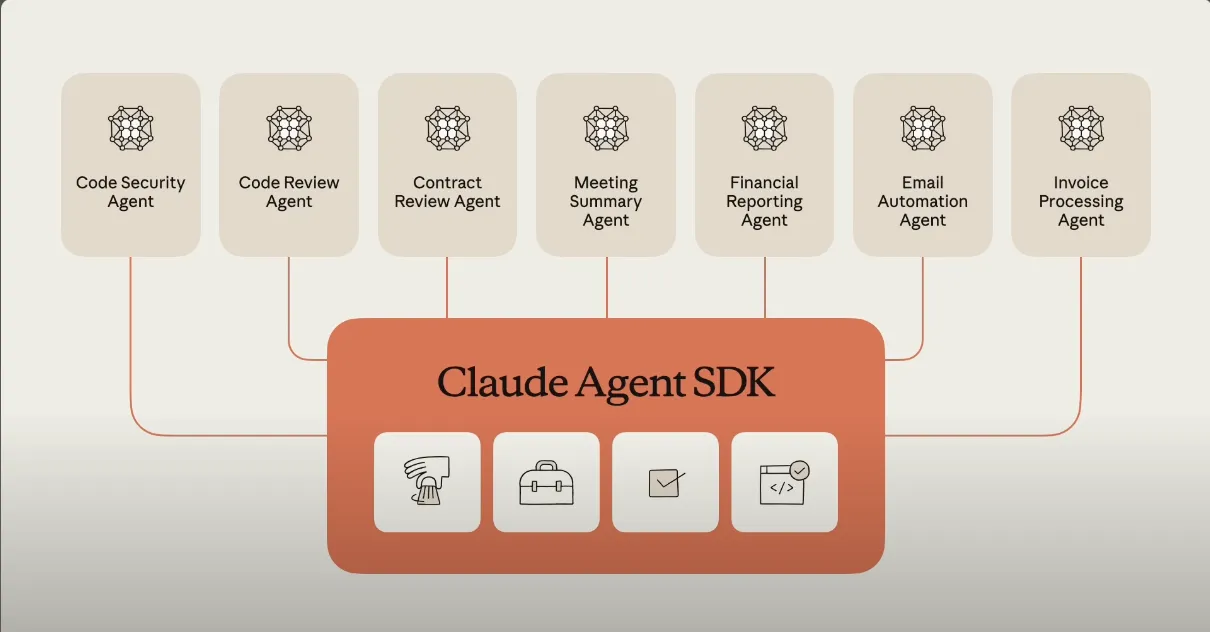
This capability likely builds on Claude's existing function calling and tool use features, extending them to system-level operations rather than just application-specific APIs.
Practical Applications
Developers and organizations can now use Claude to:
# Example of what Claude might now be able to execute
# Automated development environment setup
claude execute "install homebrew, setup python 3.11, clone repo, install dependencies"

# System maintenance automation
claude execute "clean temp files, update packages, restart services"

# Complex workflow automation
claude execute "download dataset, preprocess, train model, deploy to server"
Security Considerations
Full OS control introduces significant security implications that Anthropic would need to address:
- Permission models - Granular control over what operations Claude can perform
- Audit trails - Complete logging of all system interactions
- Rollback capabilities - Ability to undo changes made by the AI
- Resource limits - Preventing runaway processes or resource exhaustion
gentic.news Analysis
This development represents a natural evolution of AI assistants from conversational tools to functional agents. While previous AI systems could suggest commands or write scripts, direct OS control eliminates the human-in-the-loop for execution, creating true automation agents.
The timing is particularly interesting given the recent proliferation of specialized AI hardware. Companies like OpenClaw have been selling Mac Mini clusters optimized for AI workloads, but until now, these systems required significant human oversight. Claude's OS control capabilities could transform these from experimental setups to production-ready automation platforms.
From a technical perspective, the challenge isn't just giving an AI system the ability to execute commands—it's creating an AI that understands system state, can recover from errors, and operates safely within production environments. If Anthropic has solved these problems, it represents a significant advancement in AI reliability and practical utility.
This also raises questions about the future of traditional automation tools. If AI can understand natural language requests and translate them into reliable system operations, it could disrupt markets currently served by scripting languages, configuration management tools, and robotic process automation platforms.
Frequently Asked Questions
What exactly does "full OS control" mean for Claude?
Full OS control means Claude can now execute system commands, navigate file systems, launch applications, modify configurations, and perform other operating system-level operations directly, rather than just suggesting commands for humans to execute.
Is Claude's OS control feature available to all users?
The source material doesn't specify availability details, but typically such advanced features roll out gradually. Enterprise customers and API users would likely get access first, followed by broader availability in Claude's consumer products.
How does this compare to other AI assistants with system access?
While some AI tools can execute limited commands or work within sandboxed environments, Claude appears to have broader, more integrated system control capabilities. The mention of making OpenClaw Mac Mini clusters "really useful" suggests practical, production-ready automation rather than experimental features.
What are the security risks of giving an AI full OS control?
Significant risks include unintended system modifications, security vulnerabilities from improperly executed commands, resource exhaustion from runaway processes, and potential for malicious use if the system is compromised. Anthropic would need robust permission models, audit trails, and safety measures to mitigate these risks.