A collection of 12 prompts for Anthropic's Claude AI model is circulating online, claiming the system can now "build hedge fund-level trading strategies like a $600K/year quant analyst from Citadel." The prompts, shared by a user on X (formerly Twitter), are designed to guide the AI through backtesting strategies, analyzing risk-reward profiles, and identifying potential trading opportunities.
Key Takeaways
- A prompt collection claims to enable Claude to build and backtest hedge fund-level trading strategies.
- The prompts aim to automate quantitative analysis tasks typically performed by high-paid analysts.
What the Prompts Claim to Do

The prompt collection, shared as a downloadable resource, includes instructions for Claude to perform specific quantitative finance tasks:
- Strategy Backtesting: Creating and testing trading strategies against historical data
- Risk-Reward Analysis: Calculating metrics like Sharpe ratios, maximum drawdown, and volatility
- Trade Identification: Scanning for market inefficiencies or opportunities
The author claims these prompts enable free access to analytical capabilities that would otherwise require a highly compensated quantitative analyst position at a firm like Citadel Securities.
Technical Reality Check
While the prompts may structure Claude's analysis in a finance-focused way, several important limitations exist:
- No Live Data Access: Claude cannot access real-time or historical market data without explicit user input
- No Execution Capability: The AI cannot place trades or execute strategies
- Mathematical Limitations: While Claude can perform calculations, complex financial modeling requires specialized tools
- Regulatory Constraints: Actual trading strategies require compliance with financial regulations
The prompts essentially provide a structured interview format for discussing trading concepts rather than creating executable trading systems.
The Prompt Engineering Approach
The shared resource represents a growing trend in "prompt engineering" for specialized domains. By providing Claude with specific instructions, context, and formatting requirements, users can guide the AI toward more sophisticated outputs in technical fields like quantitative finance.
Key elements of effective finance prompts include:
- Defining specific financial terms and metrics
- Requesting calculations with clear formulas
- Asking for comparative analysis between strategies
- Specifying output formats (tables, bullet points, step-by-step reasoning)
What This Means for AI in Finance
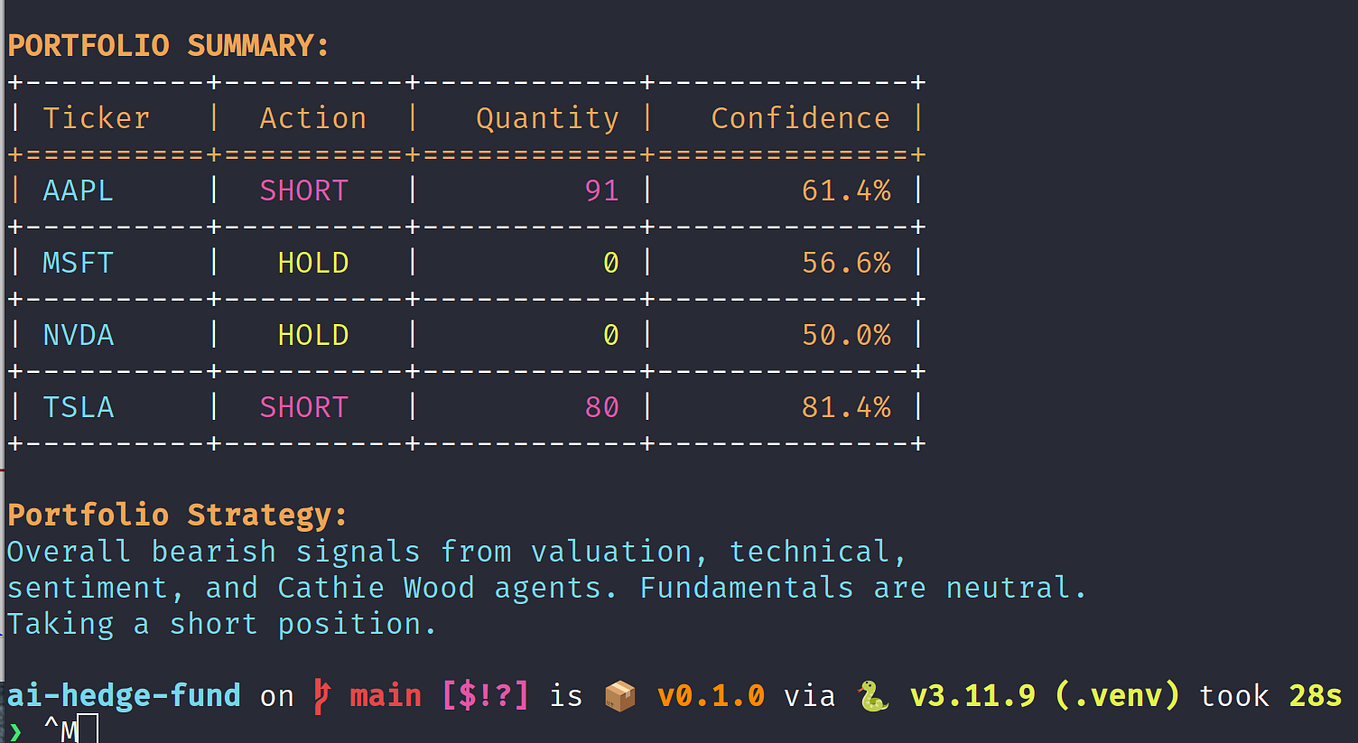
This development highlights several trends in AI's intersection with finance:
Democratization of Analysis: AI tools lower barriers to sophisticated financial analysis, though with important caveats about data quality and model limitations.
Prompt Specialization: As AI models become more capable, value shifts toward domain-specific prompt engineering that extracts maximum utility for specialized tasks.
Educational vs. Operational Use: These prompts are more valuable for learning quantitative finance concepts than for actual trading, given Claude's lack of direct market access and execution capabilities.
gentic.news Analysis
This prompt collection represents the natural evolution of specialized prompting following Claude 3.5 Sonnet's enhanced reasoning capabilities, which we covered in our analysis of its SWE-bench performance. The claim of replicating "$600K/year quant analyst" work follows a pattern of overstatement common in AI marketing, similar to exaggerated claims we've seen in AI coding assistant launches.
From a technical perspective, these prompts likely work by structuring Claude's chain-of-thought reasoning toward financial problem-solving. However, without integration with actual market data APIs and backtesting platforms, they remain conceptual exercises rather than practical tools. This aligns with our previous reporting on the limitations of LLMs in quantitative domains, where mathematical precision and data integrity remain significant challenges.
The timing is notable—coming just months after Anthropic's Series E funding round valued the company at over $30 billion, with financial services being a target vertical. While these prompts themselves aren't an official product, they demonstrate how third-party developers are exploring Claude's potential in high-value domains like finance, testing the boundaries of what's possible with prompt engineering alone.
Frequently Asked Questions
Can Claude actually execute trades or manage a portfolio?
No. Claude is a language model with no ability to connect to trading platforms, execute orders, or manage live portfolios. These prompts are for analytical discussion and conceptual strategy development only.
Are these strategies profitable or tested?
The prompts include backtesting frameworks, but actual testing requires historical market data that Claude cannot access independently. Any profitability claims would require implementation in a proper backtesting environment with real data.
What's the difference between these prompts and actual quant work?
Professional quantitative analysts work with live data feeds, high-frequency systems, risk management frameworks, and regulatory compliance requirements. These prompts provide a conceptual framework for strategy discussion but lack the infrastructure, data, and execution capabilities of professional systems.
Do I need financial knowledge to use these prompts?
Yes. While the prompts structure the analysis, interpreting results and understanding financial concepts requires domain knowledge. The prompts serve as an analytical assistant rather than a replacement for financial expertise.