Claude Code is shifting from a prompt box to an orchestration layer: the winners this week are the tools that add hard gates, portable rules, and model routing—not better prompting.
23.8-point performance gap
Trending Now
🔥 AGENTS.md Goes Cross-Agent: One Ruleset, 4+ ClientsClaude Code now reads AGENTS.md, which means you can finally keep team-wide behavior portable across Claude Code, Codex, Amp, and Cursor while reserving CLAUDE.md for Claude-specific tuning. Action: move shared repo rules into AGENTS.md and stop duplicating policy in every client. 🔥 1M-Token Sonnet 4: Whole-Repo Context Without the Bloat
Sonnet 4’s 1M window makes whole-repo workflows viable, but only if you aggressively curate what enters context. Action: rewrite CLAUDE.md to prioritize the 20 files that matter most, then use /compact early instead of waiting for the window to degrade. 📈 Model Trust Splits Are Replacing One-Model-Does-All
The strongest pattern is routing cheap, low-stakes work to smaller or external models and keeping frontier models for decisions that deserve them. Action: create a cheap alias for routine tasks and reserve premium models for code changes, architecture, and review.
Best Practices
Use AGENTS.md for shared repo policy, keep CLAUDE.md Claude-onlyBefore: every agent/client had its own slightly different instructions, which caused drift and brittle repo behavior. After: one portable AGENTS.md gives consistent rules across tools while CLAUDE.md stays focused on Claude-specific workflow. Route cheap tasks through DeepSeek with ANTHROPIC_BASE_URL + LiteLLM drop_params
Before: you burn premium Claude capacity on boilerplate, formatting, and trivial edits. After: a `claude-cheap` alias offloads low-stakes work to DeepSeek so you keep the expensive subscription for hard problems. Add a PreToolUse hook to block accidental frontier-model Task calls
Before: subagent model pins can silently fall through and spike cost by sending routine tasks to your session model. After: the hook hard-stops expensive Task calls unless the request matches your allowed model policy.
Tools & MCP
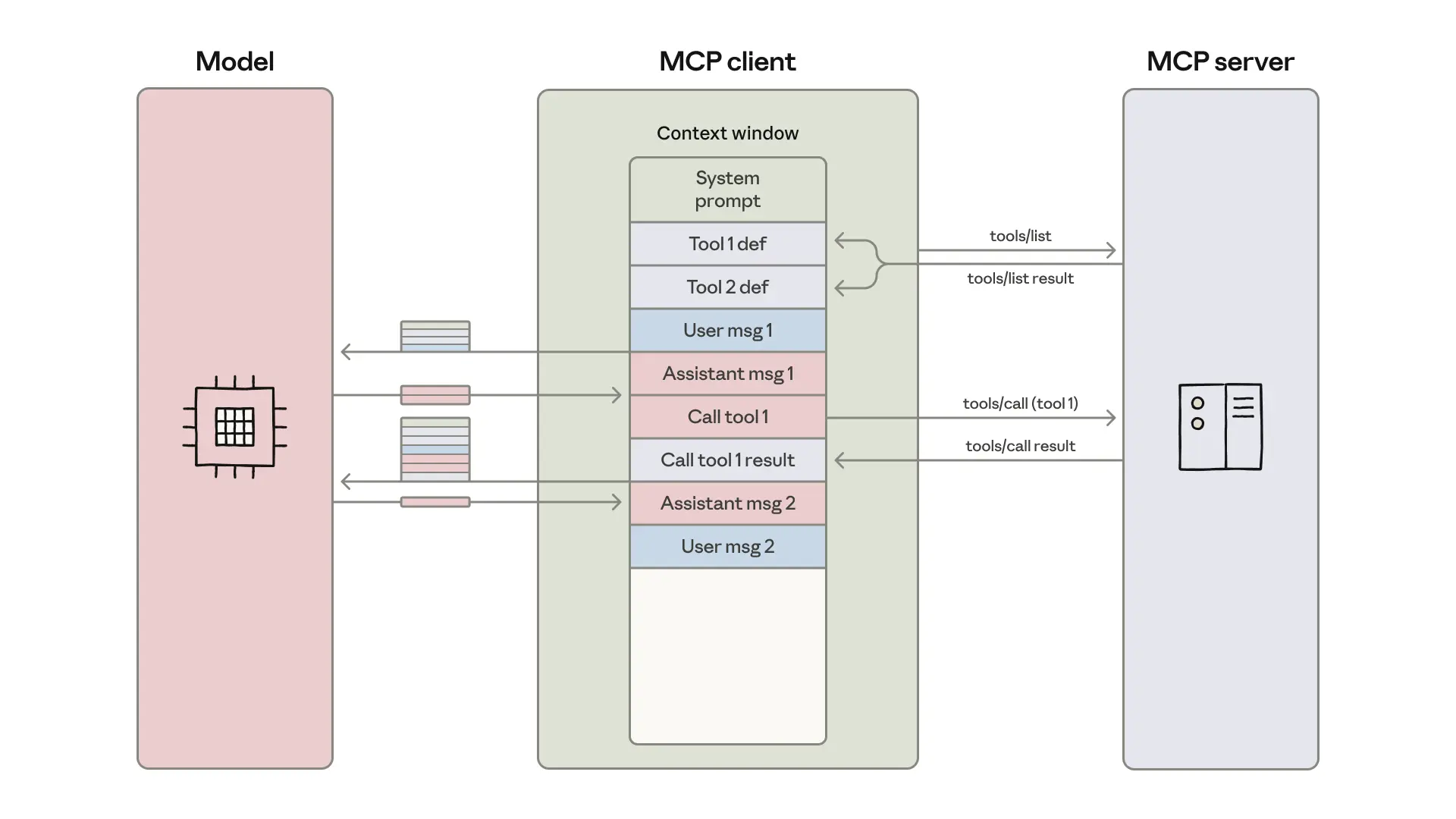
mcptoon — A 50KB CLI that keeps MCP schemas on disk instead of in context — cuts token waste by up to 99% on schema-heavy tool calls. API Dash MCP — Runs HTTP requests and renders interactive API UIs inside Claude Code via `npx apidash-mcp@latest` — removes the context-switch to Postman or browser tabs. Claude /design skill — Turns artboard-style UI iteration into CLI/Desktop implementation loops — lets you go from visual design to React code in one terminal session.Multi-Agent Patterns
23.8-Point Harness StackClaude Code’s advantage comes from maximal tools, context caching, and subagent orchestration working together; the lesson is to design the harness first, then the prompt. Use CLAUDE.md plus /compact to keep the orchestration layer effective. Parallel `--agents` Fan-Out
Claude Code’s terminal-native workflow can spawn parallel agents for composable tasks, which is the real edge over IDE-only assistants. Use `claude --agents` when you want multiple independent branches explored at once instead of serial chat. RiskAnalyzer Gate for MCP Writes
A Go RiskAnalyzer validates tool calls before they hit DynamoDB, while Kafka handles async writes and Prometheus records security events. This gives you a pattern for letting agents touch infrastructure without trusting every tool invocation blindly.
Community Requests
- Native MCP benchmarking that reports token overhead, latency, and schema-cache hit rate per server
- A first-class way to pin subagent models so frontmatter cannot silently fall back to the session model
- A built-in kill switch and rollback mechanism for MCP servers that can safely handle write access