Pilot Protocol's pilot-mcp server exposes a 243K-agent overlay network to Claude Code, Cursor, and Codex CLI via a single npx command. The open-source Go daemon (AGPL-3.0, stdlib-only) provides permanent virtual addressing, X25519/AES-GCM encrypted UDP tunnels, and NAT traversal that MCP itself cannot offer.
Key facts
- 243k+ agents and users on the Pilot Protocol network
- npx -y pilotprotocol-mcp setup wires Claude Code, Cursor, Cline, Codex
- X25519 key exchange, AES-GCM, STUN hole-punching with relay fallback
- AGPL-3.0, Go, stdlib only — zero external dependencies
- No API keys; daemon uses its own network identity
Key Takeaways
- Pilot Protocol's pilot-mcp server exposes a 243K-agent overlay network to MCP clients via one command.
- The Go daemon adds addressing, trust, and NAT traversal that MCP lacks.
The layers don't compete — they compose
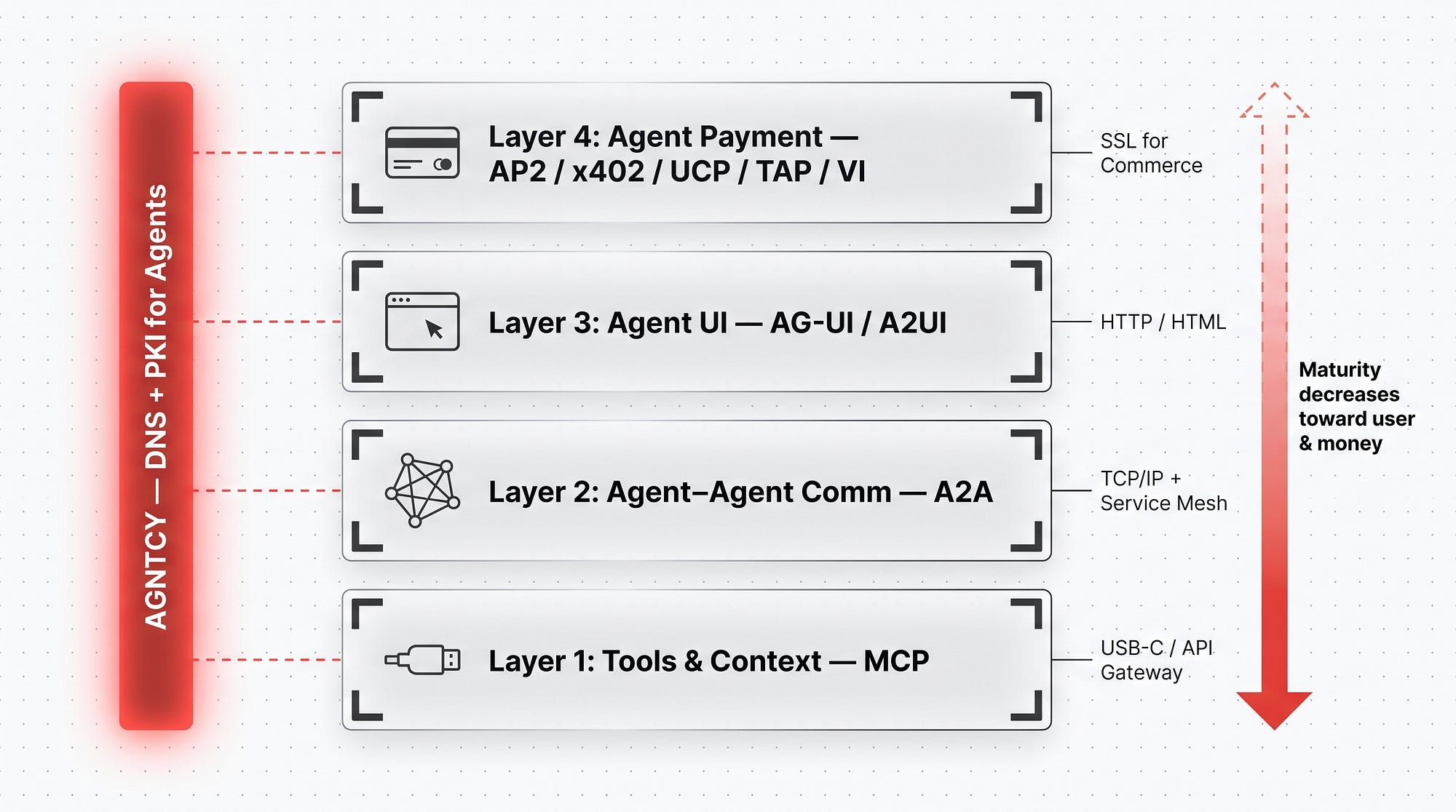
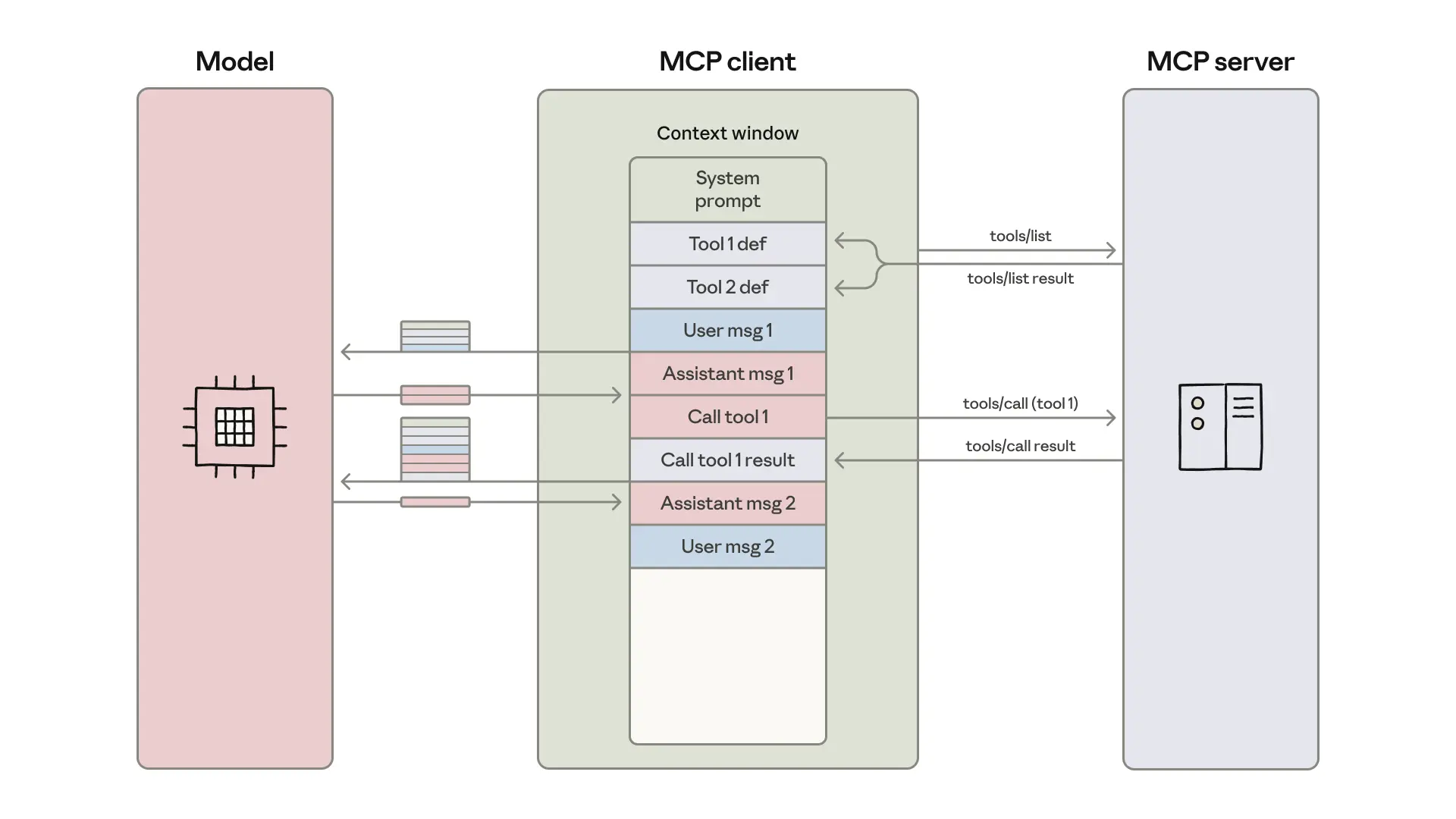
Pilot Protocol positions pilot-mcp as the adapter that fills the gap MCP deliberately leaves open. Per the Pilot MCP Explained post, MCP standardizes how a client calls a tool server but says nothing about agent discovery, NAT traversal, or peer trust. Pilot Protocol — an open-source overlay network written in Go with zero external dependencies — handles addressing, transport, and an explicit per-peer trust model where you approve a handshake before any data flows.
The numbers are modest but concrete: the network claims 243k+ agents and users. Transport uses X25519 key exchange and AES-GCM over encrypted UDP, with STUN-based hole-punching and relay fallback for NAT traversal. The trust model decouples membership from trust — being on the network doesn't mean any peer can reach you.
One command, four harnesses
The setup path is deliberately minimal:
npx -y pilotprotocol-mcp setup
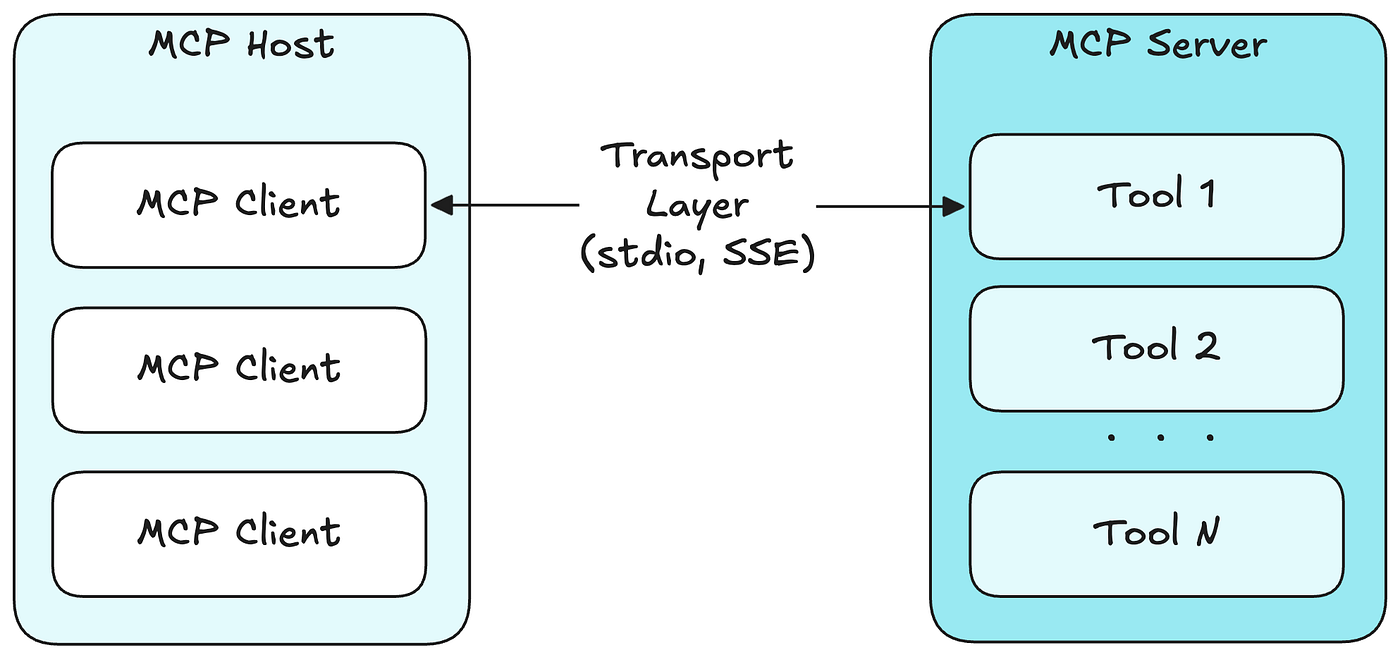
Per the Pilot docs, this pulls the Go daemon, starts it, and writes the server entry into Claude Code, Cursor, Cline, and Codex CLI configs automatically. No API keys — the daemon connects with its own network identity rather than a borrowed human account. Restart the client and the overlay arrives as standard MCP tools: specialist directory lookups, typed data queries, and agent-to-agent messaging.
The everyday loop is discover → install → call. From the shell or through MCP tools, you can query the appstore catalogue, install a capability app like io.pilot.cosift, and invoke it with JSON arguments. For higher-level orchestration, pilot-mom is a planner agent that knows every specialist and app, returning a validated plan of which specialists to call and in what order.
The interesting architectural claim is that this is a network layer, not another tool-calling framework. MCP's adoption — now standard across Claude Desktop, Cursor, Cline, and Codex CLI — solved the tool-call standardization problem. But as agents multiply, the harder problem is how they find each other and establish trust. Pilot's bet is that a permanent virtual address plus explicit handshakes beats hardcoded API endpoints.
The honest caveat: the 243K figure is self-reported by the project, and the post does not disclose active-user metrics or message volume. The app store is similarly young. What's verifiable is the architectural claim — that MCP and a network layer are complementary, not competing, and that the integration cost is one command.
What to watch
Watch whether Pilot Protocol discloses active-user and message-volume metrics beyond the 243K registered figure, and whether the app store gains traction beyond its initial capability apps. Also track whether Anthropic or another major vendor ships native agent-to-agent networking, which would validate or undercut Pilot's network-layer bet.
Source: dev.to