Claude Code is shifting from chat to infrastructure: the winning teams are encoding workflows, not prompting harder.
54% of 39,762 MCP servers have zero community adoption
Trending Now
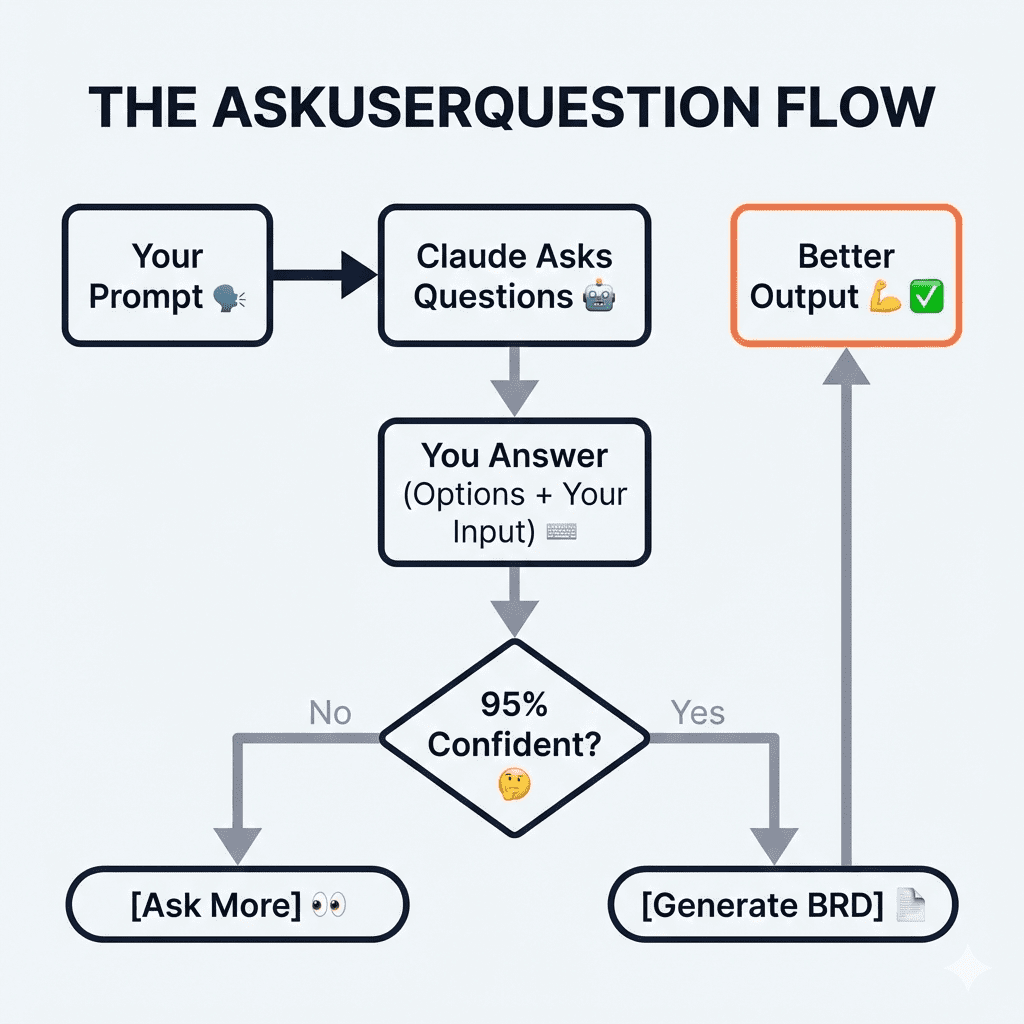
🔥 Loop Engineering: Replace Prompting with `/goal`-Driven AutomationThe biggest shift is away from one-off prompts and toward persistent loops encoded in `CLAUDE.md` and skill files. If you’re still steering every step manually, you’re paying a context tax; define the verification layer once and let Claude iterate until the goal is satisfied. 🔥 MCP Discovery Is the New Bottleneck: 13,000 Servers, 54% Invisible
Publishing an MCP server is no longer enough—most are effectively undiscoverable or unused. Optimize for agent grading, verification, and searchability via `mcp-hub`/Smithery, or your tool will sit in the long tail with zero adoption. 📈 Claude Code Is Becoming a Runtime, Not Just a Client
The ecosystem is moving toward persistent terminals, live spend dashboards, OAuth gateways, and protocol proxies. Power users should treat Claude Code like an operating environment: centralize auth, instrument usage, and keep long-lived state outside the chat window.
Best Practices
Use `CLAUDE.md` as external working memoryWithout this: every restart costs 5–15 minutes of re-explaining stack, voice, and open questions. With this: sessions resume in under 1 minute because Claude reloads Stack, Voice, Gotchas, and Current checkpoint automatically. Put MCP behind OAuth instead of static API keys
Without this: keys sprawl across servers and tasks fail mid-run when a token expires or gets copied wrong. With this: short-lived tokens are centralized through an MCP gateway, reducing secret leakage and eliminating manual key rotation. Run server tasks through `aiterm-mcp` to prune output before Claude reads it
Without this: Claude wastes tokens on raw logs, reconnection boilerplate, and noisy terminal output. With this: a persistent terminal server cut token waste by 61% and removed SSH reconnect churn.
Tools & MCP
aiterm-mcp — Persistent terminal MCP server that prunes logs and removes SSH reconnect boilerplate — cuts token waste by 61%. Vouqis proxy — Structured MCP audit proxy that catches null-result "success" responses — exposes tasks that silently never ran. Claudestat — Live terminal dashboard plus quota guard and MCP server for Claude Code/OpenCode — monitors spend in real time before a session runs away.Multi-Agent Patterns
Verification-Gated LoopsEncode a goal, run work in loops, and require a verification step before advancing. This prevents the classic multi-agent failure mode where agents look busy but drift from the actual objective. MCP Gateway with Centralized OAuth
Put all tool access behind one gateway so multiple agents share short-lived auth instead of each carrying its own static key. That reduces token sprawl and makes revocation/expiry manageable at scale. Semantics-Tree Flutter Driver
Drive the live app through the Semantics tree instead of screenshots or generated test files. The 6-step actionability gate filters out flaky taps and makes agent actions deterministic enough for UI testing.
Community Requests
- Native MCP server benchmarking and ranking by real agent adoption, not just publish counts
- A built-in Claude Code audit trail for MCP tool calls that records null results, retries, and silent failures
- First-class spend controls: quota guardrails, per-tool budgets, and session-level alerts inside Claude Code