Head of Claude Code at Anthropic, Boris Cherny, has made a striking claim about his personal development workflow: he writes 100% of his code using Claude Code and hasn't manually edited a single line since November 2024.
The statement was captured in a podcast interview clip shared on X (formerly Twitter) by AI commentator Rohan Pandey. In the clip, Cherny states: "100% of my code is written by Claude Code. I have not edited a single line by hand since November. Every day I ship 10, 20, 30 PRs… I have five agents running while we’re recording this."
What Happened
During a podcast recording, Cherny revealed his complete reliance on Claude Code, Anthropic's AI-powered coding assistant. His claim represents one of the most extreme public examples of an AI-native development workflow from someone in a leadership position at a major AI company.
The key assertions from the brief clip:
- 100% code generation: Cherny claims all his code is written by Claude Code
- Zero manual editing: He hasn't edited a line manually since November 2024
- High throughput: He ships 10-30 pull requests daily
- Multi-agent workflow: He runs five Claude Code agents simultaneously during the recording
Context
Claude Code is Anthropic's specialized coding assistant, launched in November 2024 as part of the Claude 3.5 Sonnet release. The tool was positioned as a competitor to GitHub Copilot and other AI coding assistants, with Anthropic claiming it could handle complex coding tasks and entire codebases.
Cherny's statement comes at a time when AI coding assistants are becoming increasingly sophisticated, but most developers still use them as productivity enhancers rather than complete replacements for human coding. His workflow represents what might be considered an "extreme" adoption case, particularly notable given his position leading the Claude Code team.
Technical Implications
While Cherny didn't provide specific technical details about his workflow, his claims suggest several potential implications:
Agent orchestration: Running five agents simultaneously indicates a sophisticated multi-agent system where different Claude Code instances might handle different aspects of development (testing, refactoring, feature implementation, etc.)
Quality control mechanisms: Shipping 10-30 PRs daily without manual editing implies robust automated testing, code review, and validation systems must be in place
Workflow integration: The workflow likely involves deep integration with version control systems, CI/CD pipelines, and project management tools
Prompt engineering expertise: As Head of Claude Code, Cherny would have exceptional knowledge of how to structure prompts and tasks for optimal results from the system he helped develop
Limitations and Caveats
It's important to note several limitations to this anecdotal evidence:
- No verification: The claims haven't been independently verified through code repository analysis or productivity metrics
- Selection bias: Cherny, as the product lead, has both exceptional expertise with the tool and potential incentive to promote its capabilities
- Context missing: We don't know what type of code he's writing (prototypes, production code, internal tools, etc.)
- No error rate disclosed: The statement doesn't address how often generated code needs correction or what happens when Claude Code produces incorrect implementations
Industry Context
This claim emerges during a period of intense competition in the AI coding assistant space. GitHub Copilot has over 1.8 million paid subscribers as of late 2024, while startups like Cursor, Windsurf, and Codeium are gaining traction. Anthropic's entry with Claude Code represents a significant challenger, particularly given Claude 3.5 Sonnet's strong performance on coding benchmarks.
gentic.news Analysis
Cherny's statement represents a strategic positioning move that aligns with Anthropic's broader push into developer tools. This follows Anthropic's November 2024 launch of Claude Code alongside Claude 3.5 Sonnet, which we covered in our analysis of the model's 64.3% score on the SWE-bench coding benchmark. The claim of 100% AI-generated workflow from a product lead is unprecedented in the industry and serves multiple purposes: it functions as an extreme stress test of the product, provides compelling marketing material, and challenges the industry's assumptions about human-AI collaboration in software development.
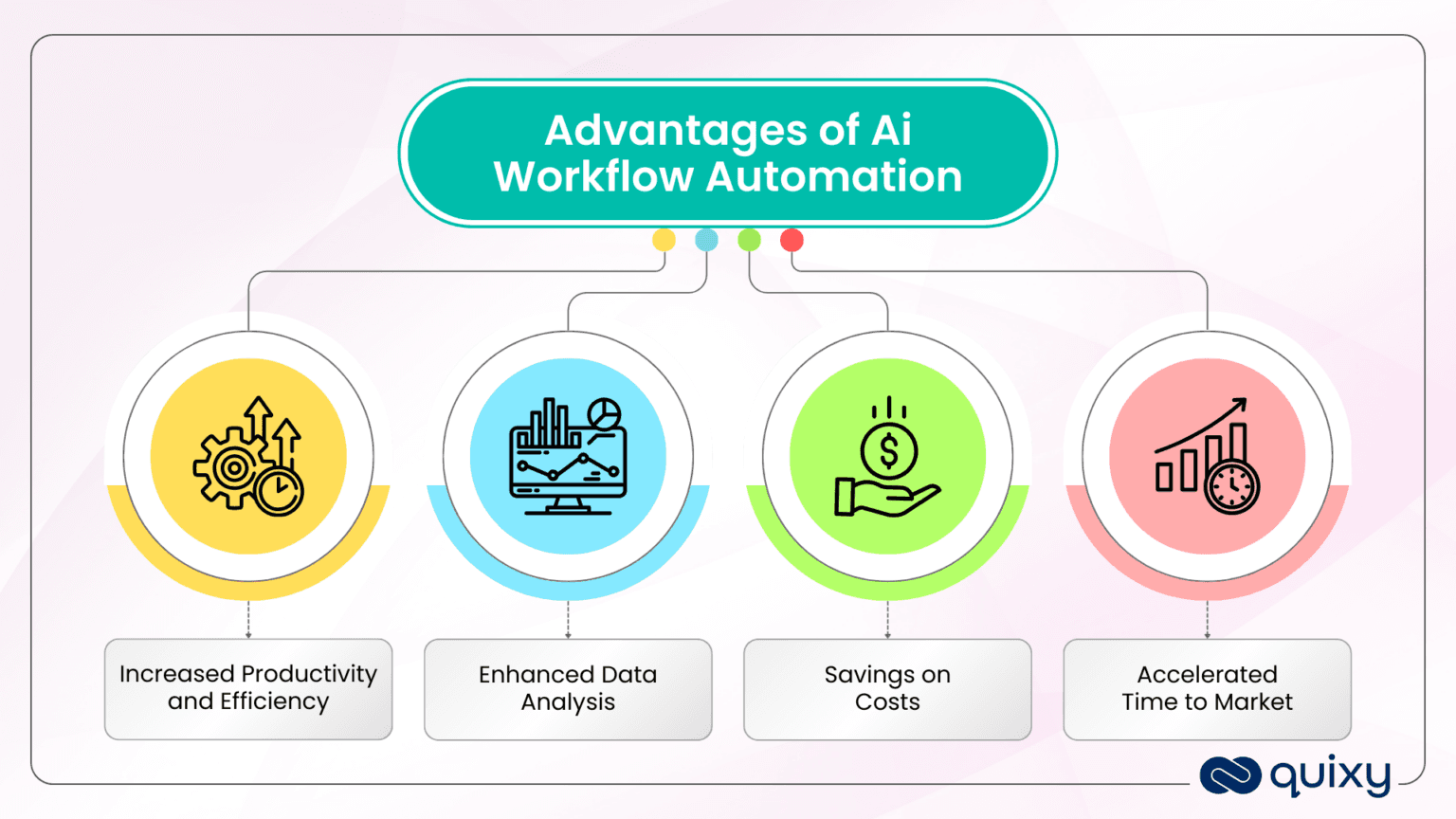
This development connects to several trends we've been tracking. First, it reflects the agentification trend in AI development, where single-prompt interactions evolve into persistent, multi-agent workflows. Second, it relates to the vertical specialization trend, where general AI models are being fine-tuned for specific domains like coding. Third, it touches on the workflow automation trend that's seeing AI move from assistant to primary actor in certain contexts.
Notably, this claim comes from within Anthropic itself rather than an external user, which is unusual. Most extreme adoption cases are presented by enthusiastic users, not product leaders. This suggests either exceptional confidence in the product or a deliberate strategy to push the boundaries of what's considered possible with current AI coding tools.
The timing is also significant. With increasing scrutiny on AI productivity claims and questions about whether AI coding assistants actually deliver measurable productivity gains, a high-profile claim like this from a product leader puts pressure on competitors to demonstrate similar capabilities. It also raises questions about verification: how would one validate such a claim, and what standards should exist for evaluating "100% AI-generated" workflows?
Frequently Asked Questions
What is Claude Code?
Claude Code is Anthropic's AI-powered coding assistant, launched in November 2024 as part of the Claude 3.5 Sonnet release. It's designed to help developers write, debug, and understand code across multiple programming languages and frameworks.
How does Claude Code compare to GitHub Copilot?
While both are AI coding assistants, Claude Code is built on Anthropic's Claude 3.5 Sonnet model, which has shown strong performance on coding benchmarks. GitHub Copilot uses OpenAI's models. The main differences lie in pricing, integration options, and specific features like context window size and multi-file understanding capabilities.
Is it really possible to write 100% of code with AI assistance?
Boris Cherny's claim suggests it might be possible for certain types of development work, particularly with sophisticated prompt engineering, robust testing frameworks, and multi-agent orchestration. However, most developers currently use AI coding assistants as productivity enhancers rather than complete replacements for human coding, especially for complex architectural decisions or novel problem-solving.
What are the risks of relying completely on AI for coding?
Potential risks include: over-reliance on patterns in training data leading to uncreative solutions, security vulnerabilities from generated code, debugging challenges when the AI's reasoning isn't transparent, and potential degradation of human coding skills over time. Most experts recommend a balanced approach that leverages AI while maintaining human oversight for critical decisions.