What Changed — The Built-In Preview MCP
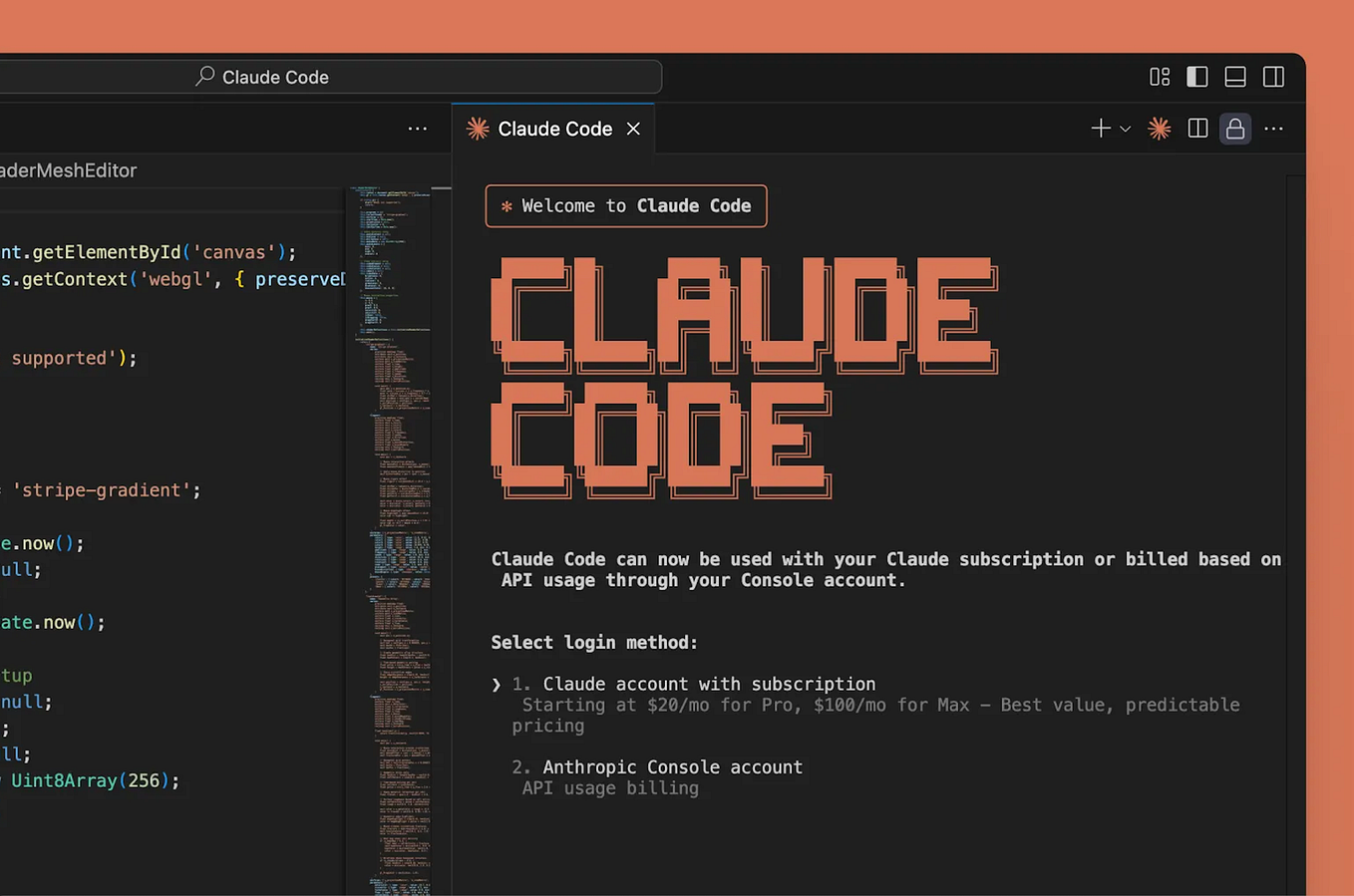
Claude Code Desktop now ships with a built-in Model Context Protocol (MCP) server specifically for frontend preview functionality. This isn't an optional MCP server you need to install separately—it's already integrated into the desktop application itself. When you're working on HTML, CSS, or JavaScript files, Claude can now launch live previews directly within your development environment.
What It Means For You — Zero-Configuration Frontend Previews
This eliminates the friction of setting up local servers or configuring external preview tools. Previously, you might have needed to:
- Install and configure separate MCP servers for preview functionality
- Set up local development servers manually
- Use browser extensions or external tools to see changes
Now, when Claude generates frontend code or you're iterating on UI components, you can immediately see the results without leaving your workflow. The preview runs locally, maintaining security while providing instant visual feedback.
How It Works — Seamless Integration
The preview MCP automatically detects when you're working with frontend files and makes preview tools available to Claude. When you ask Claude to "show me how this button looks" or "preview the current HTML," Claude can now:
- Launch a local preview server
- Open the preview in an embedded browser view
- Update the preview in real-time as you make changes
This works particularly well with Claude's iterative development approach. You can ask Claude to make a change, see the preview, then ask for adjustments based on what you see—all in a single conversation.
Try It Now — Commands That Work Today
Here are specific prompts that leverage the built-in preview MCP:
"Create a responsive navigation bar with dropdown menus and preview it for me"

"I'm working on this React component—show me how it renders with the current props"

"Take this CSS animation and show me what it looks like in the browser"

"Preview this HTML form and suggest improvements based on the layout"
No special configuration is needed. Just use Claude Code Desktop (ensure you're on the latest version) and work with frontend files as you normally would.
When This Shines — Specific Use Cases
- Rapid Prototyping: Generate UI components and immediately see them rendered
- CSS Debugging: Visualize layout issues and ask Claude for specific fixes
- Responsive Design Testing: See how components behave at different breakpoints
- Animation Tweaking: Preview CSS/JS animations and adjust timing/easing
- Component Library Development: Build and preview reusable UI elements
The preview maintains your project's file structure and respects relative paths, so linked assets (images, fonts, other scripts) work correctly.
What's Next — Beyond Basic Previews
While the current implementation handles static HTML/CSS/JS previews, this foundation suggests future MCP integrations could include:
- Framework-specific previews (React, Vue, Svelte)
- Interactive previews with mock data
- Accessibility auditing alongside visual previews
- Performance metrics on rendered components
For now, the built-in preview MCP removes a significant friction point for frontend development with Claude Code. It's one less tool to configure and one more reason to stay within Claude Code for your entire development workflow.