What Happened
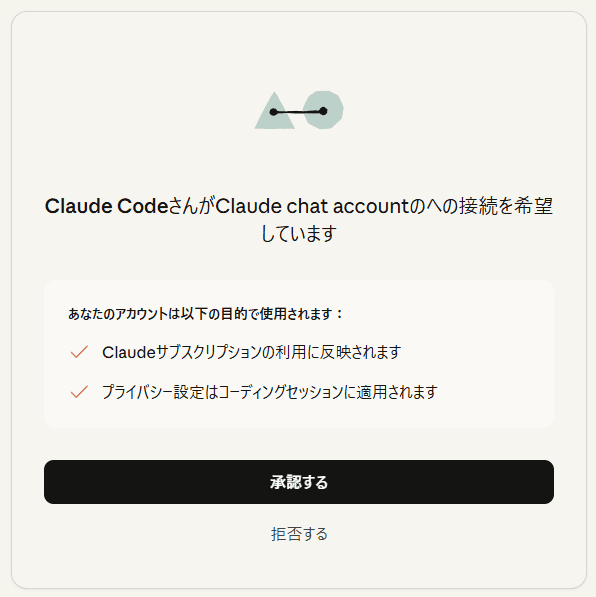
On April 6, 2026, Claude Code users began reporting widespread authentication failures. The core issue: OAuth API keys were expiring daily instead of maintaining their expected validity period. Users encountered 500 errors and timeouts when trying to reauthorize, effectively locking them out of their coding workflows.
Initially, the official Claude status page showed no indication of problems, which amplified frustration. However, within hours, Anthropic updated the status page to acknowledge the issue—a move that commenters praised as crucial for rebuilding trust.
What This Means For Your Workflow
When Claude Code goes down, your development velocity hits zero if you're fully dependent on it. The incident reveals several critical points:
Status monitoring is non-optional:
https://status.claude.comshould be bookmarked. During the outage, users reported checking this page repeatedly.Authentication tokens have failure modes: OAuth flows can break in ways that aren't immediately obvious. The "daily expiration" bug suggests something in the token refresh logic failed.
Transparency matters more than perfection: As one Hacker News commenter noted: "No body expects a perfect service, thanks Claude team for your efforts." The quick status update transformed frustration into understanding.
How To Build Resilience
1. Implement Status Page Monitoring
Add the Claude status page to your monitoring dashboard:
# Simple curl check for status page
curl -s https://status.claude.com | grep -i "operational" || echo "CHECK STATUS PAGE"
2. Maintain Local Fallbacks
Don't put all your coding assistance in one basket. When Claude Code is down:
- Use
claude code --offlineif you have local model access - Keep alternative tools (Cursor, Copilot) configured and ready
- Have your
CLAUDE.mdfile backed up locally for when service resumes
3. Version Control Your Config
Ensure your Claude Code configuration (including any custom MCP servers) is in version control:
# Backup your Claude Code config
cp ~/.config/claude-code/config.json ./backups/
git add ./backups/config.json
git commit -m "Backup Claude Code config"
4. Use the API Directly as Backup
If the CLI fails, you can sometimes work directly with the API (though this requires different authentication):
# Fallback script for critical tasks
import anthropic
# Initialize with your API key
client = anthropic.Anthropic(api_key="your-key")
# Use for emergency code review or generation
The Bigger Picture: Service Reliability
This incident follows Claude Code's March 30 launch of Computer Use feature with app-level permissioning, which expanded attack surfaces. As noted in our April 1 article "Claude Code: Performance guidance published warning against using elaborate personas," the platform is evolving rapidly, sometimes outpacing reliability engineering.
The transparency shown here contrasts with commenters' experiences with other services. One user noted: "Gemini API displaying very clearly 1) user cancelled request in Gemini chat app 2) API showing 'user quota reached'. Both were blatant lies."
For daily Claude Code users, the lesson is clear: Trust, but verify. Have contingency plans. And appreciate when companies are honest about failures—it's the foundation of long-term reliability.
gentic.news Analysis
This incident occurs during a period of intense activity for Claude Code, which appeared in 58 articles this week alone (total: 473 in our database). The platform's rapid growth, including the recent Computer Use feature launch and MCP-based architecture expansion, creates natural growing pains.
The authentication failure aligns with broader trends in AI service reliability. As noted in our April 6 coverage "Production RAG: From Anti-Patterns to Platform Engineering," moving AI systems from proof-of-concept to production requires robust error handling and transparent communication—exactly what was tested here.
Interestingly, the incident highlights the tension between Anthropic's cutting-edge AI capabilities (Claude Opus 4.6, mentioned in 67 prior articles) and basic platform engineering. As one commenter observed about LLM companies: "Probably the most damning fact about LLMs is just how poorly written their parent companies' systems are."
Yet the positive response to transparent status updates suggests users will tolerate occasional failures if communicated honestly. This creates competitive differentiation from services like Gemini (mentioned in 79 prior articles) where users reported misleading error messages.
For developers, the takeaway is pragmatic: Claude Code delivers exceptional value (as shown in our April 6 article "How Claude Code Reverse-Engineered an FPGA Bitstream"), but like any cloud service, it requires contingency planning. The days of assuming 100% AI service uptime are over—smart developers build fallbacks.