What Happened
A source map file (cli.js.map) for Claude Code version 2.1.88 was published to the public npm registry. This file, typically used for debugging minified JavaScript, contained mappings back to the original TypeScript source code. A security researcher discovered it, leading to the exposure of approximately 1,900 files and over 512,000 lines of code. The leak was quickly amplified on social media and developer forums, spawning multiple GitHub repositories hosting the extracted code.
What Was Revealed (And What Wasn't)
The leaked source code confirms several architectural details we've previously covered:
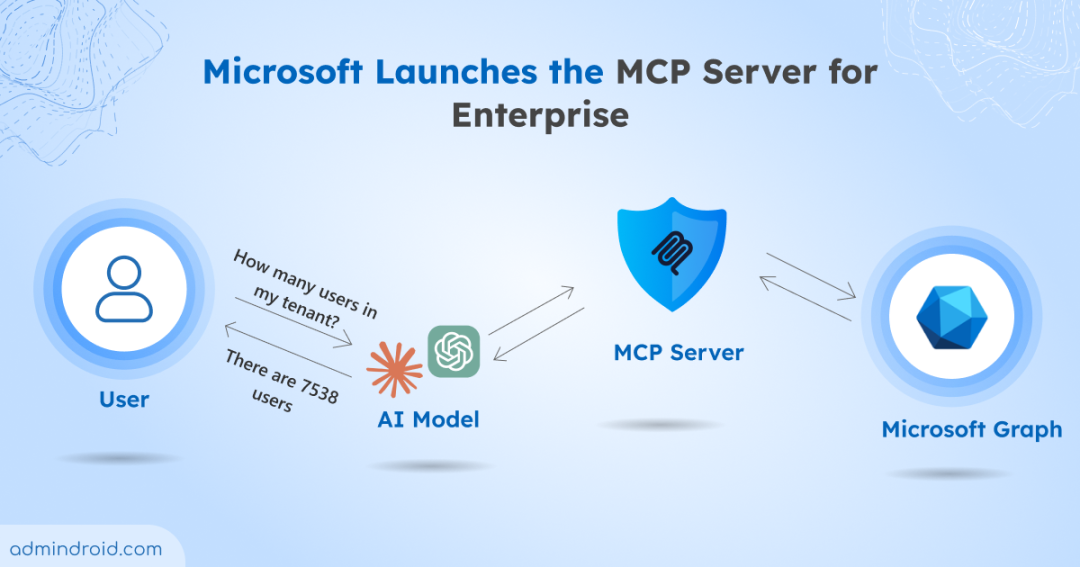
- MCP-Centric Design: The core architecture is built on the Model Context Protocol (MCP), aligning with our March 30th coverage of Claude Code's MCP foundation. This isn't a monolithic application but a orchestrator that connects to various AI backends and tools.
- TypeScript Wrapper: Much of the CLI is a TypeScript wrapper managing agentic workflows, file operations, and MCP server communication. It validates the tool's positioning as an intelligent coordinator rather than a massive, proprietary codebase.
- No Model Weights: Crucially, the leak contains zero Claude model weights, API keys, or proprietary reasoning logic. It's the tool's infrastructure, not its intelligence.
What This Means For Your Daily Workflow
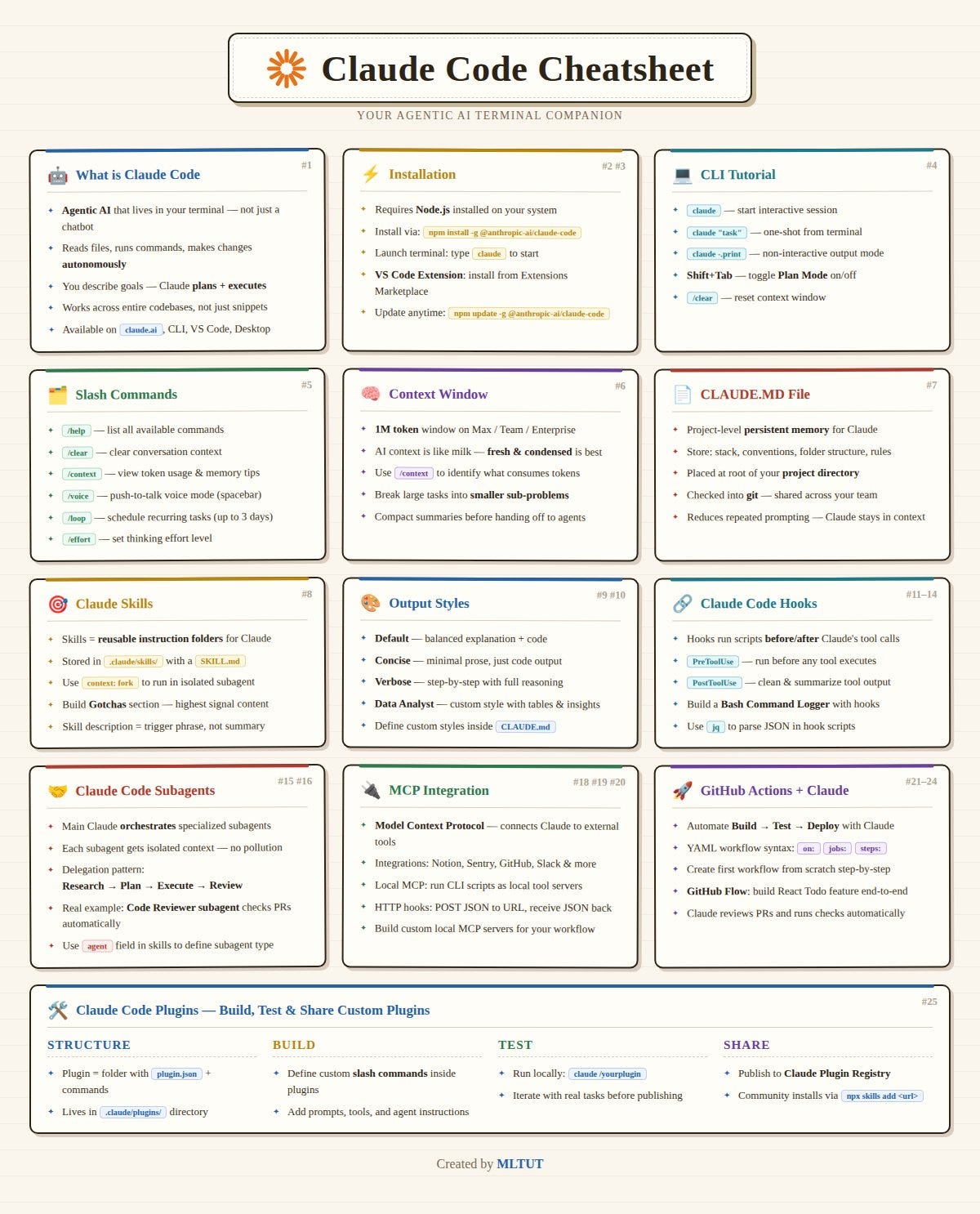
For the average Claude Code user, nothing changes operationally. Your claude code commands, CLAUDE.md files, and MCP servers will function exactly as before. The API keys and model access that power the tool's intelligence remain secure on Anthropic's servers. This incident is a configuration oversight, not a breach of the AI model itself.
However, the leak does provide a unique, sanctioned look under the hood. Developers have already begun analyzing the codebase, which could lead to:
- Community-Driven Insights: A deeper public understanding of best practices for structuring MCP servers and agentic workflows.
- Security Scrutiny: The code will be audited by the community, potentially leading to faster identification and patching of vulnerabilities than through internal review alone. This follows a trend of increased security focus, as seen in our March 31st article on auditing MCP servers.
- Educational Value: The code serves as a large-scale, production reference for building AI-native tools with TypeScript and MCP.
Should You Be Concerned About Security?
The primary risk introduced is a widened attack surface. Malicious actors now have a detailed map of the CLI's internal structure, which could aid in crafting sophisticated attacks, especially when combined with other features like the recently launched Computer Use capability. This underscores the critical importance of the security practices we've highlighted before:
- Audit Your MCP Servers: Use tools like the Security Score API mentioned in our March 31st article to vet any third-party servers you connect.
- Use Hooks Judiciously: Implement approval hooks for operations like
web_fetchto block suspicious URLs, as detailed in our guide on auto-approving safe fetches. - Stay Updated: Promptly install official updates from Anthropic, as they will likely include patches for any vulnerabilities discovered from this exposure.
The leak itself does not compromise your current installation, but it makes following these best practices more urgent.
The Bigger Picture: Transparency vs. Protection
This event sits at the center of a growing tension in the AI tools ecosystem. As companies like Anthropic build on open protocols like MCP, they create hybrid systems: partly open infrastructure, partly closed intelligence. A source map leak blurs that line unintentionally. It provides a level of transparency that some developers crave but also exposes code that wasn't meant for public scrutiny. This follows Anthropic's pattern of building on open standards while keeping core models proprietary, a strategy that has fueled its rapid growth and projected revenue surge.
For now, keep using Claude Code as you were. The intelligence—Claude Opus 4.6's reasoning—remains untouched in the cloud. The leak is a fascinating glimpse into the tool's plumbing, but the water (and the magic) still comes from Anthropic.