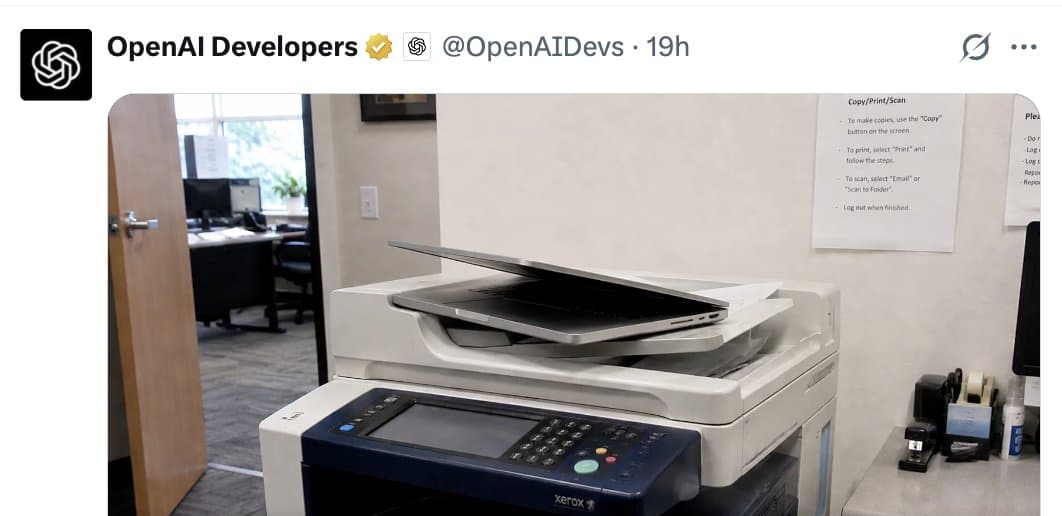
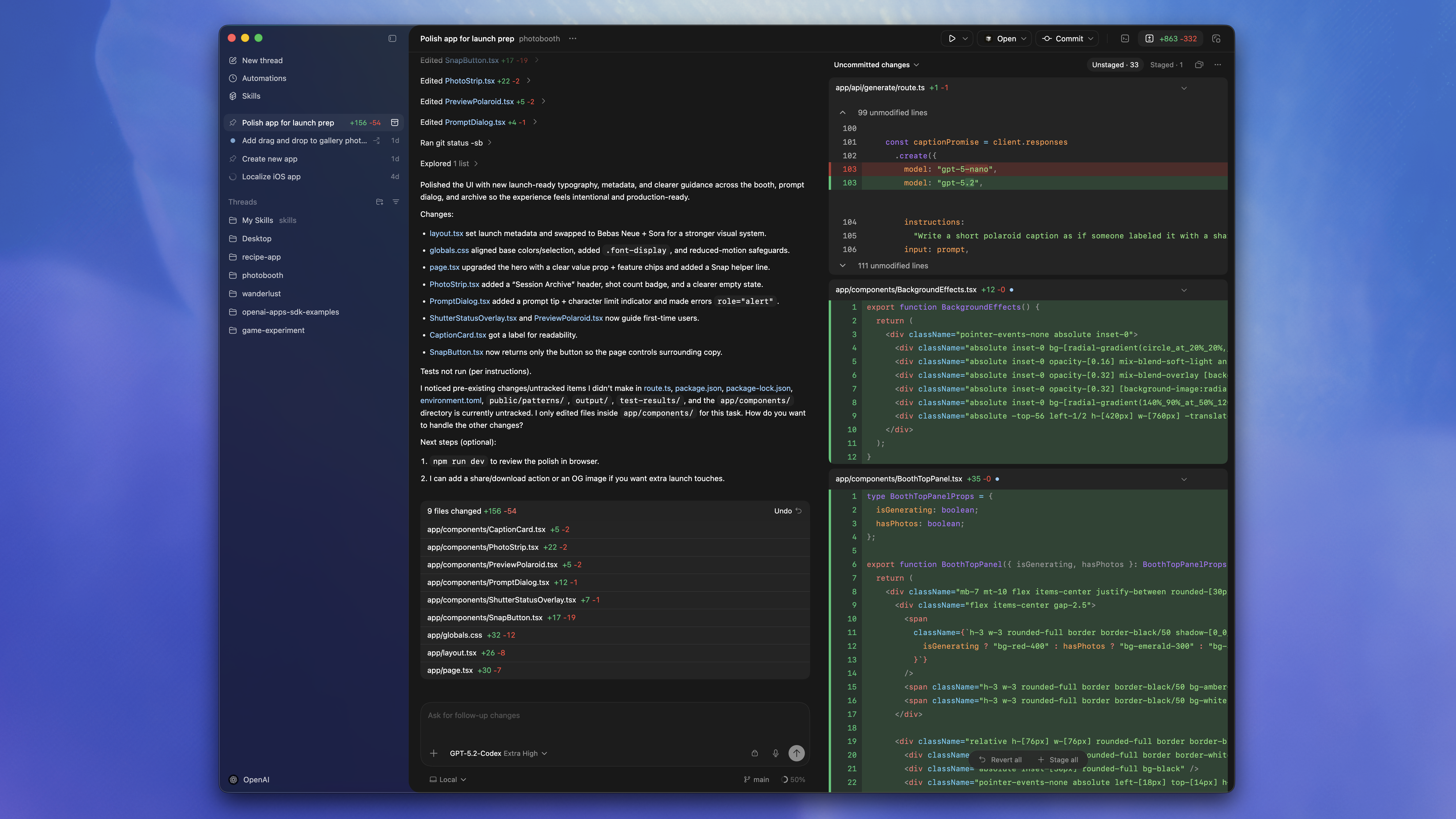
Codex may soon work on locked Macs, per a screenshot shared by @kimmonismus on X. The feature would let Codex run background tasks like code generation or refactoring without the user's Mac being actively used.
Key facts
- Feature spotted via screenshot by @kimmonismus on X.
- Toggle labeled 'Let Codex use your Mac while it's locked'.
- Codex is OpenAI's AI coding assistant for macOS.
- No official announcement or release date from OpenAI.
- Feature would require macOS permissions for background execution.
OpenAI's Codex, the AI coding assistant, appears to be testing a 'locked use' mode for macOS that would allow the tool to operate while the Mac's screen is locked. The feature was spotted by X user @kimmonismus, who shared a screenshot of a settings toggle labeled 'Let Codex use your Mac while it's locked' [According to @kimmonismus].
The screenshot shows the toggle inside the Codex settings pane, alongside existing options like 'Launch Codex at login' and 'Show Codex in menu bar.' The feature would require macOS permissions to run processes with the screen locked, similar to how background apps like backup tools or media servers operate on the platform.
The unique take: This is less about convenience and more about OpenAI positioning Codex as an autonomous agent, not just a chat-based assistant. A locked-use mode enables Codex to execute long-running tasks—like refactoring a codebase, running tests, or generating documentation—without demanding the developer's attention. It aligns with the broader industry shift toward agentic AI tools that act independently, as seen with GitHub Copilot's recent 'workspace' mode and Anthropic's Claude for coding.
OpenAI has not officially announced or confirmed the feature, and no release date is known. The company's recent social media imagery, which @kimmonismus referenced, may have teased the feature's arrival. The toggle suggests the feature is in internal or beta testing.
If released, the feature would differentiate Codex from competitors like GitHub Copilot, which currently requires the IDE to be active and the user's screen unlocked for most operations. It could also raise new security questions: a locked machine running an AI that can read and write code presents a vector for potential misuse if compromised.
Key Takeaways
- Codex may get locked-use mode on macOS, per screenshot.
- Enables background AI coding without screen.
What to watch
Watch for OpenAI's official announcement or beta release of Codex locked-use mode. If released, compare adoption rates and security incidents against GitHub Copilot's similar 'background tasks' feature, which is reportedly in development. Also watch for macOS permission prompts and developer backlash over security concerns.