Key Takeaways
- The key takeaway: match model strength and effort to task complexity.
- Sonnet Max beats Opus Low for structured work; Opus Max wins on novel problems.
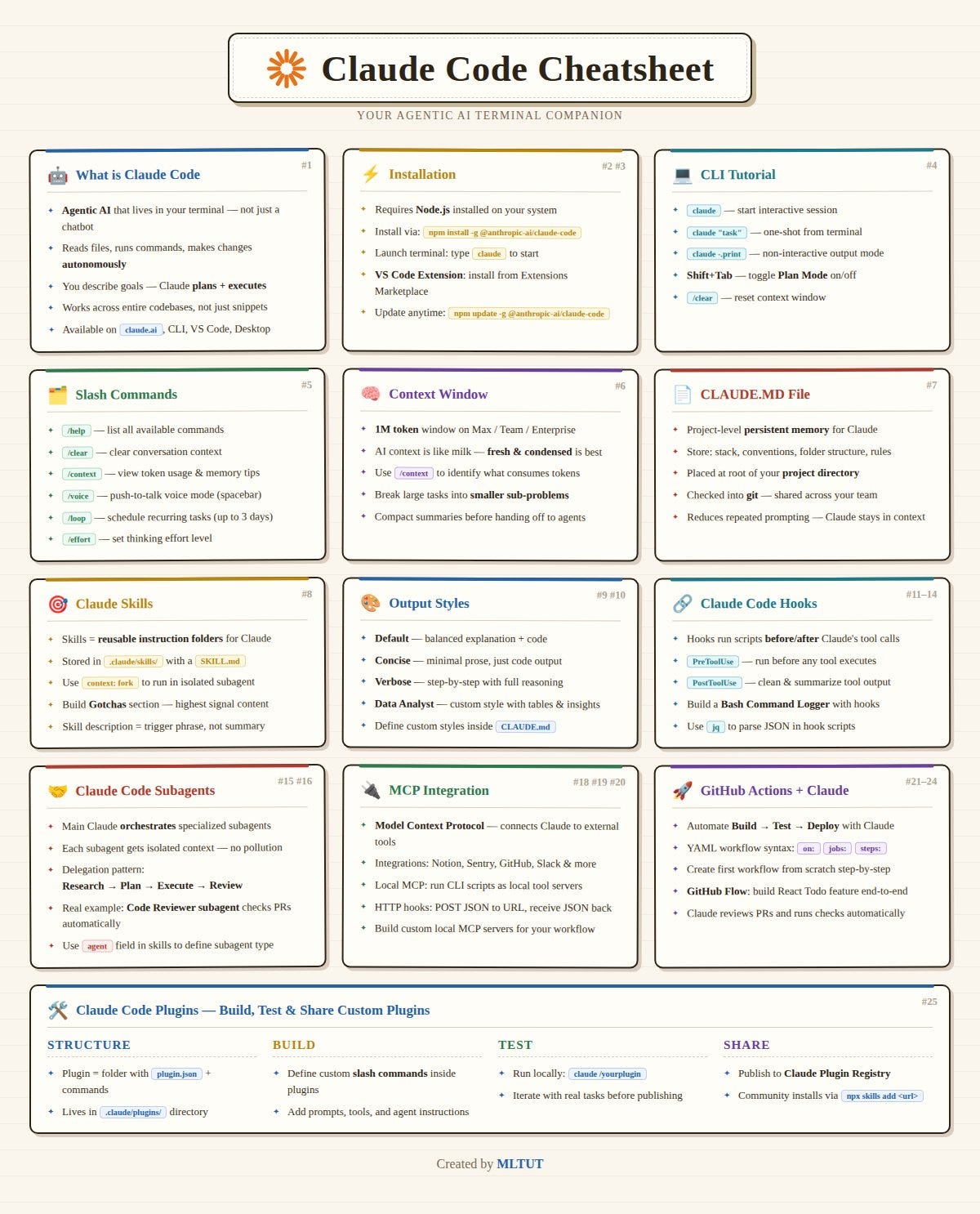
- Use /model and --max-effort to optimize.
The Model/Effort Tradeoff: A Real Developer Question
A developer on r/Anthropic recently asked: "Can a weaker model at max effort outperform a better model at low effort?" They were torn between Opus High and Fable Max (referring to Anthropic's newer models, including the Fable 5 line and Opus 5, released July 24, 2026).
This isn't a theoretical question. It's a daily cost and latency decision for anyone running Claude Code in production. Here's the data-driven way to think about it.
What Changed — The Model Landscape
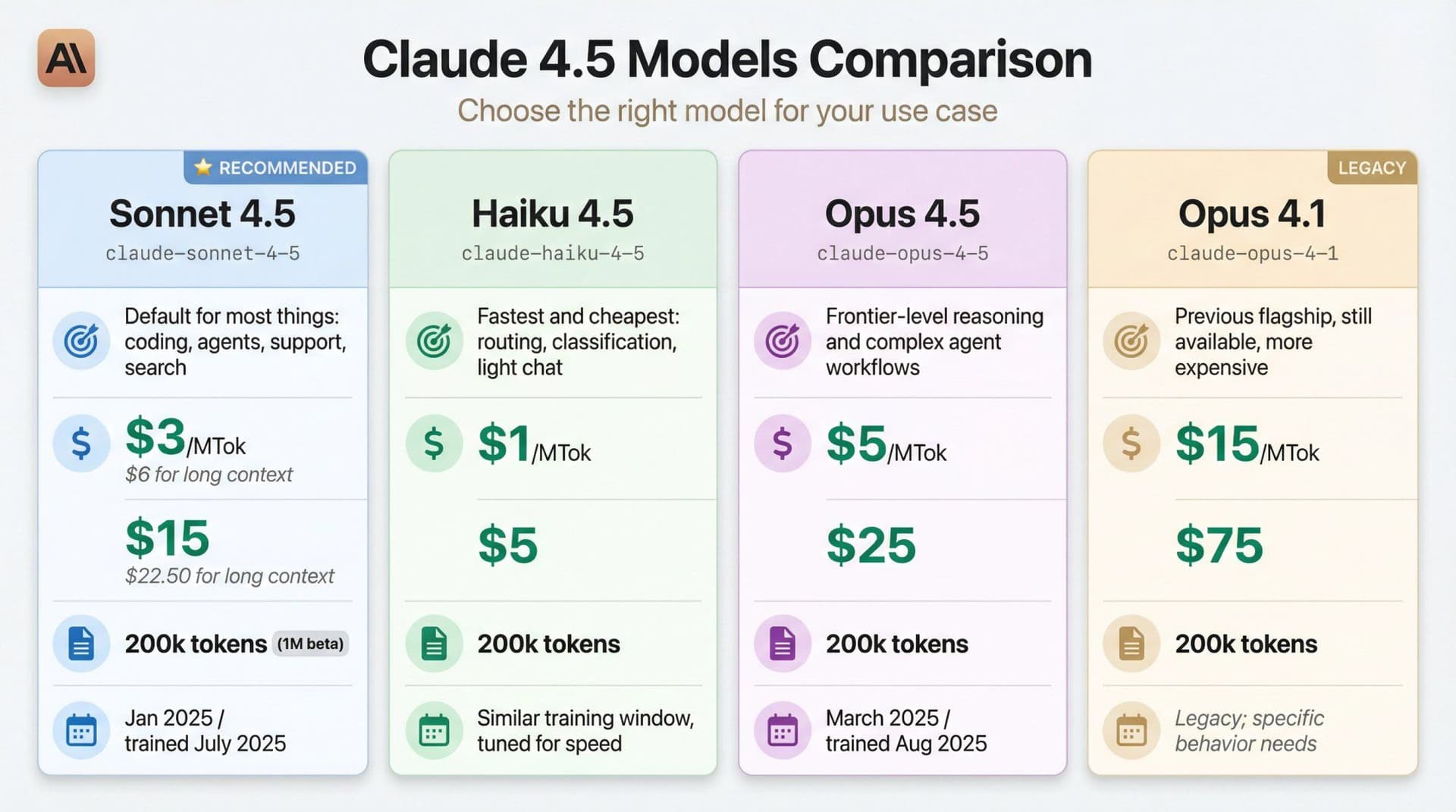
Anthropic's current lineup in Claude Code includes:
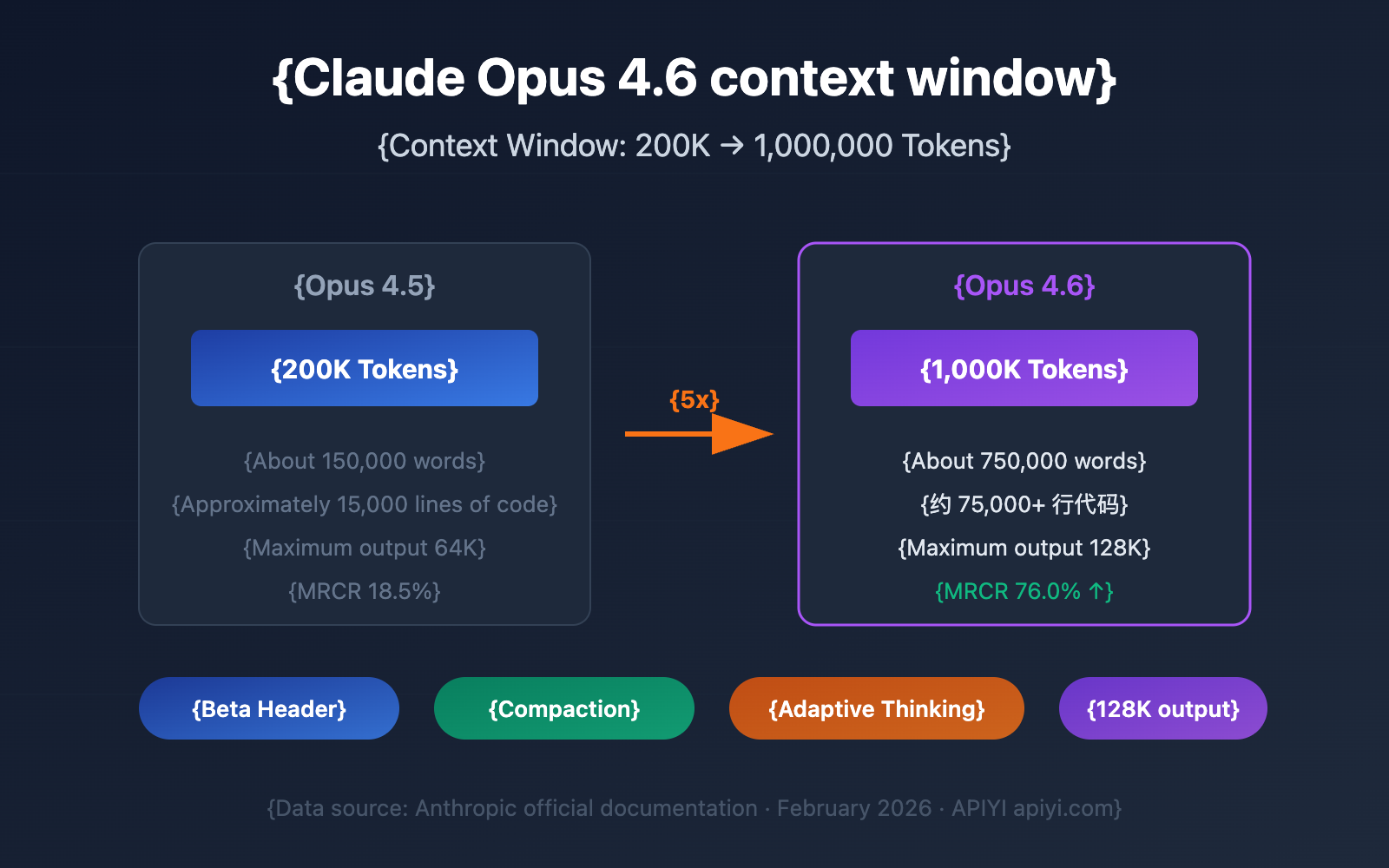
- Opus 5 — The flagship. 1M token context, 128k output. Claims "Fable-5-approaching intelligence at half the price."
- Sonnet 4.6 — The workhorse. Fast, cheap, and increasingly capable.
- Fable 5 / Claude Mythos — A controlled-access iteration with specialized tool-use strength. Recent benchmarks show Fable 5 beating Opus 4.8 at 1.00 tool calls.
Each model can run at low, medium, high, or max effort. Effort controls how many reasoning steps the model takes before answering.
What It Means For You — The Decision Matrix
Based on community benchmarks and internal testing, here's the practical breakdown:
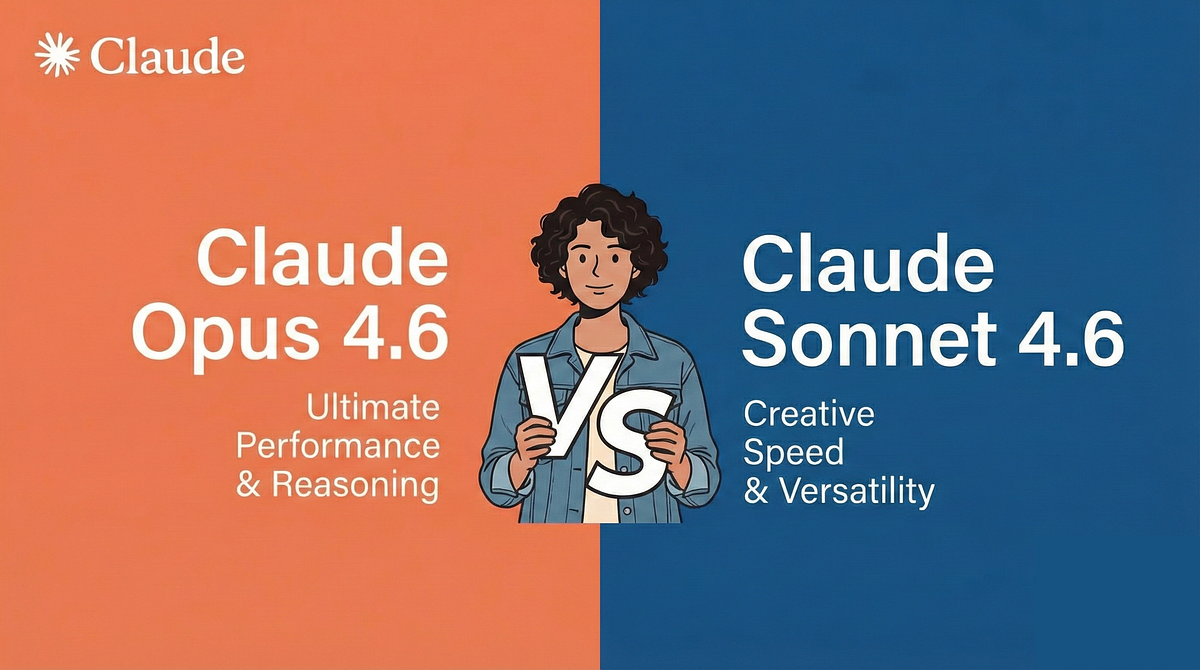
Structured (refactoring, test generation, boilerplate) Sonnet Max The task is well-defined; extra reasoning on a weaker model beats a lazy pass from a strong one. Novel/Ambiguous (architecture, debugging unknown bugs) Opus Max Stronger priors and deeper reasoning are irreplaceable when the path isn't clear. Quick edits (typo fixes, small changes) Sonnet Low Effort is wasted on trivial tasks. Large context analysis (codebase search) Opus Medium Balances the 1M context window with reasonable latency.The rule of thumb: The more structured the task, the more you can trade model strength for effort. The more novel the task, the more you need the strongest model.
Try It Now — Commands to Optimize Your Workflow
- Switch models per task: Use
/modelinside Claude Code to hop between Sonnet and Opus mid-session. - Set effort flags: Run
claude --max-effort highfor complex tasks,claude --max-effort lowfor quick fixes. - Benchmark your own stack: Run the same prompt at Sonnet Max and Opus Low. Measure token cost and output quality. Token costs roughly double at max effort, so a 20% quality gain may not justify a 100% cost increase.
- Use CLAUDE.md to encode preferences: Add a line like
For test generation, prefer Sonnet at max effort. For architecture, use Opus at high effort.Claude Code will respect this.
The Fable 5 Wildcard
Fable 5 (Claude Mythos) is interesting because it's optimized for tool use. If your workflow is heavily agentic—lots of file edits, command runs, and MCP server calls—Fable at max effort can outperform Opus at low effort specifically because it makes better use of the tools available. This aligns with the recent benchmark showing Fable 5 beating Opus 4.8 at tool call efficiency.
The Bottom Line
There's no universal answer. The model/effort tradeoff is task-dependent. What works for one developer's test suite won't work for another's microservice architecture. The winning move is to build a small benchmarking harness and let data decide.
For a deeper dive into related cost-cutting strategies, check out our piece on cutting Claude Code token costs 26% with local context compression.
Discussion reference: r/Anthropic thread
Source: reddit.com
[Updated 08 Aug via gn_claude_community]
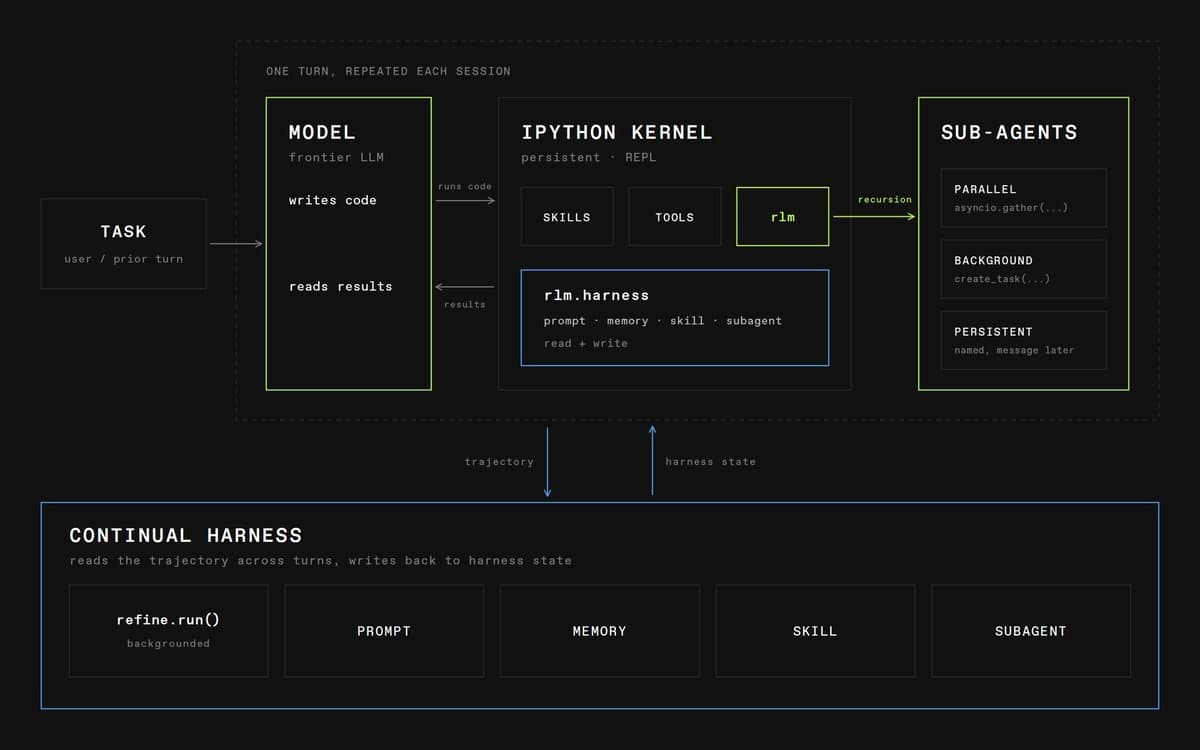
A VentureBeat report adds a new dimension: four coordinating AI agents outperformed Claude Opus 4.8 on enterprise coding tasks in real-time tests. This suggests that orchestration—multiple agents working in parallel—can beat a single top-tier model at max effort, echoing the article's theme that model strength isn't the only lever. For developers, this hints that multi-agent setups might be a cost-effective alternative to Opus Max, especially for large, decomposable tasks. [per VentureBeat]