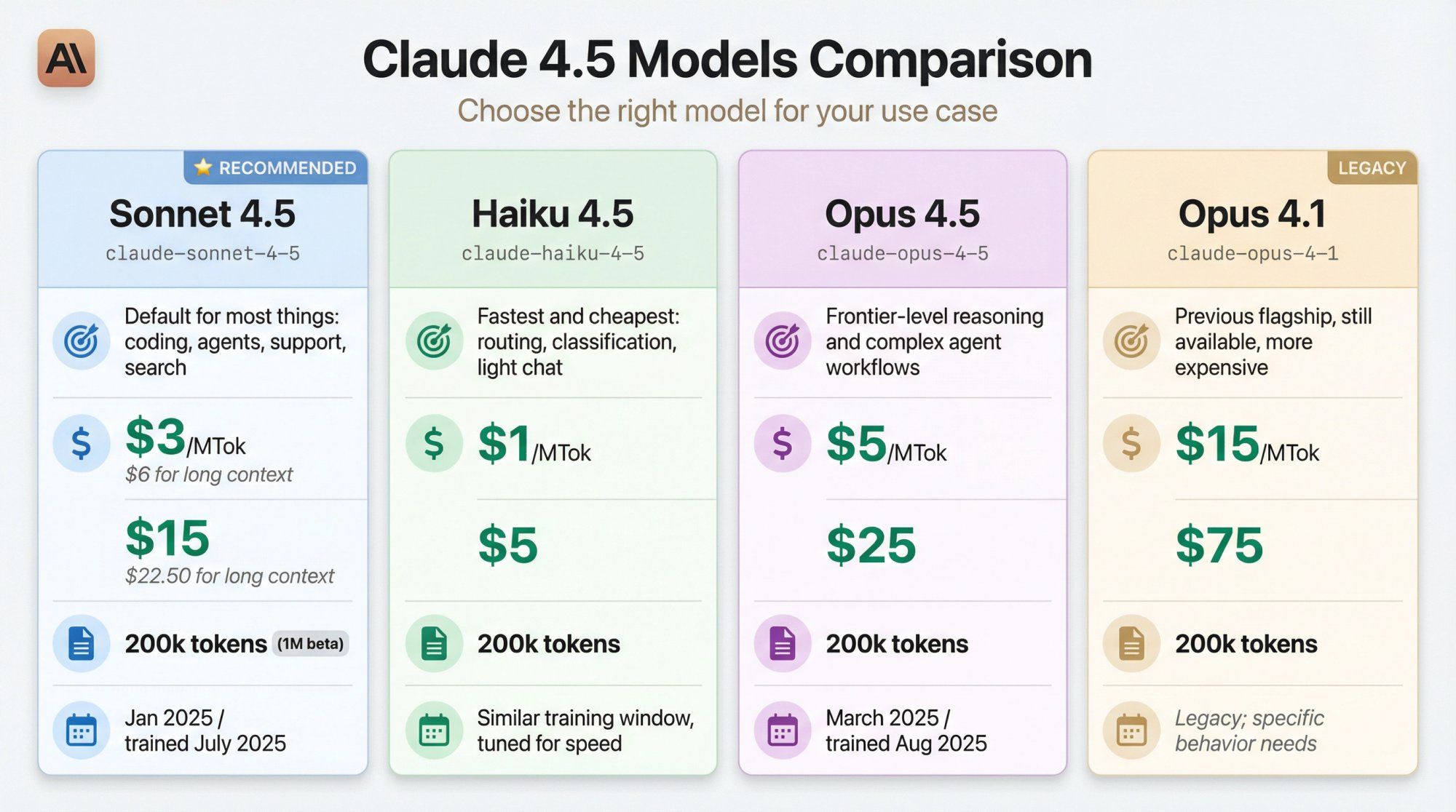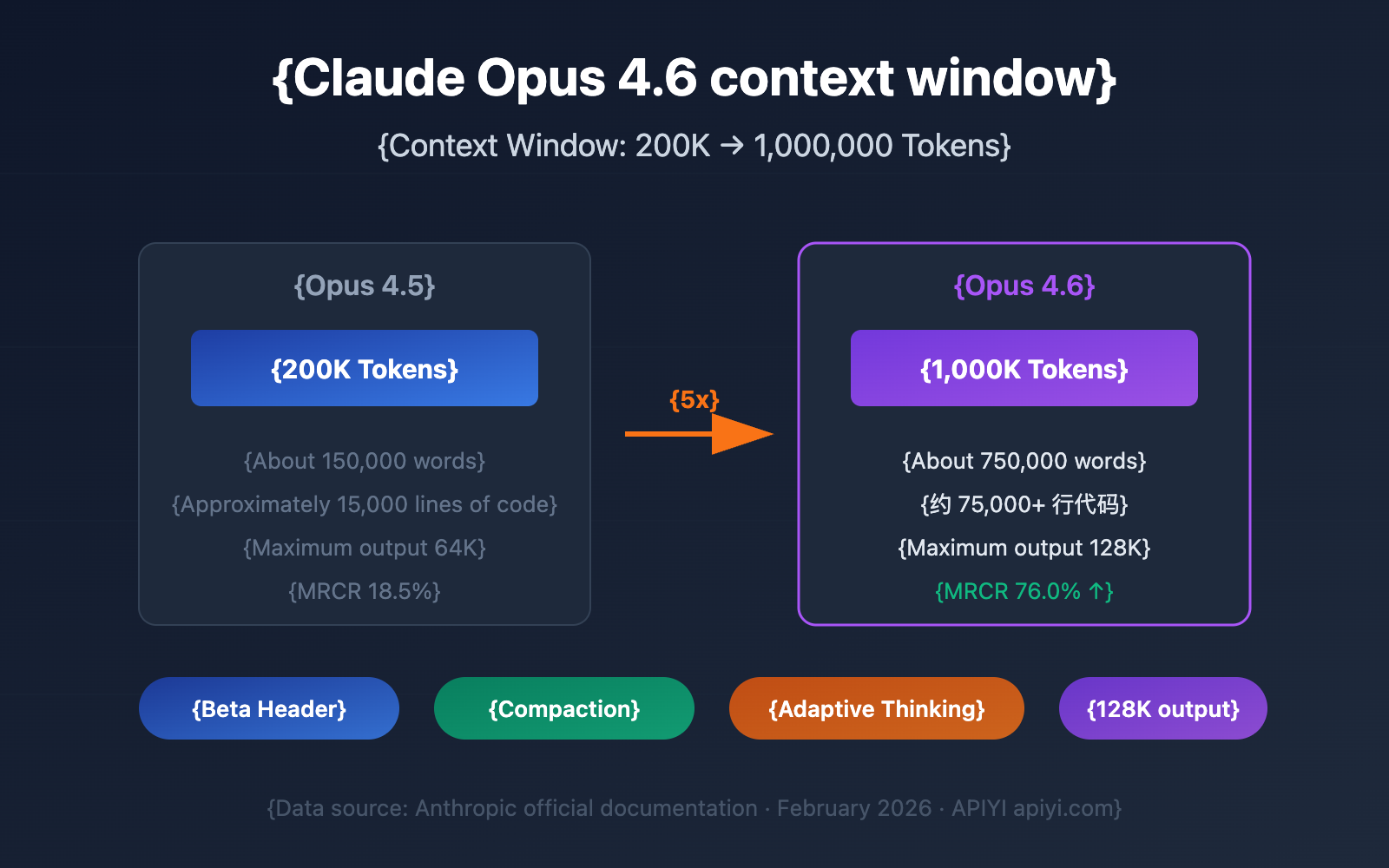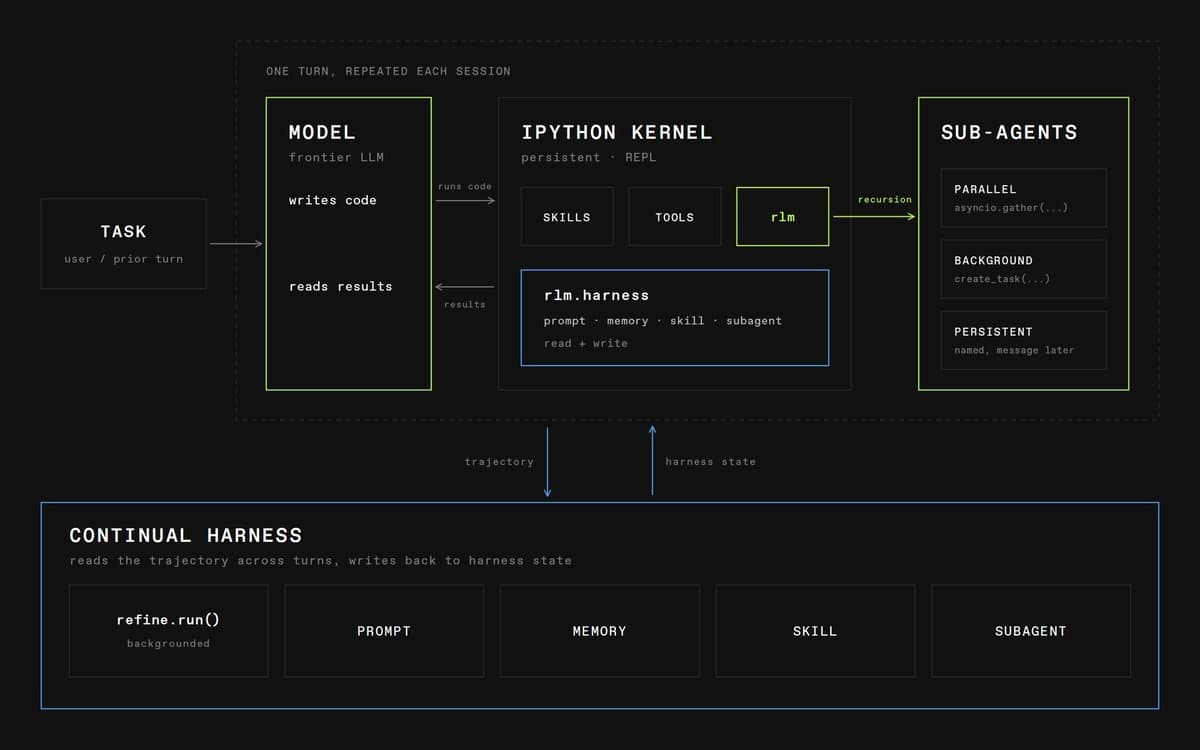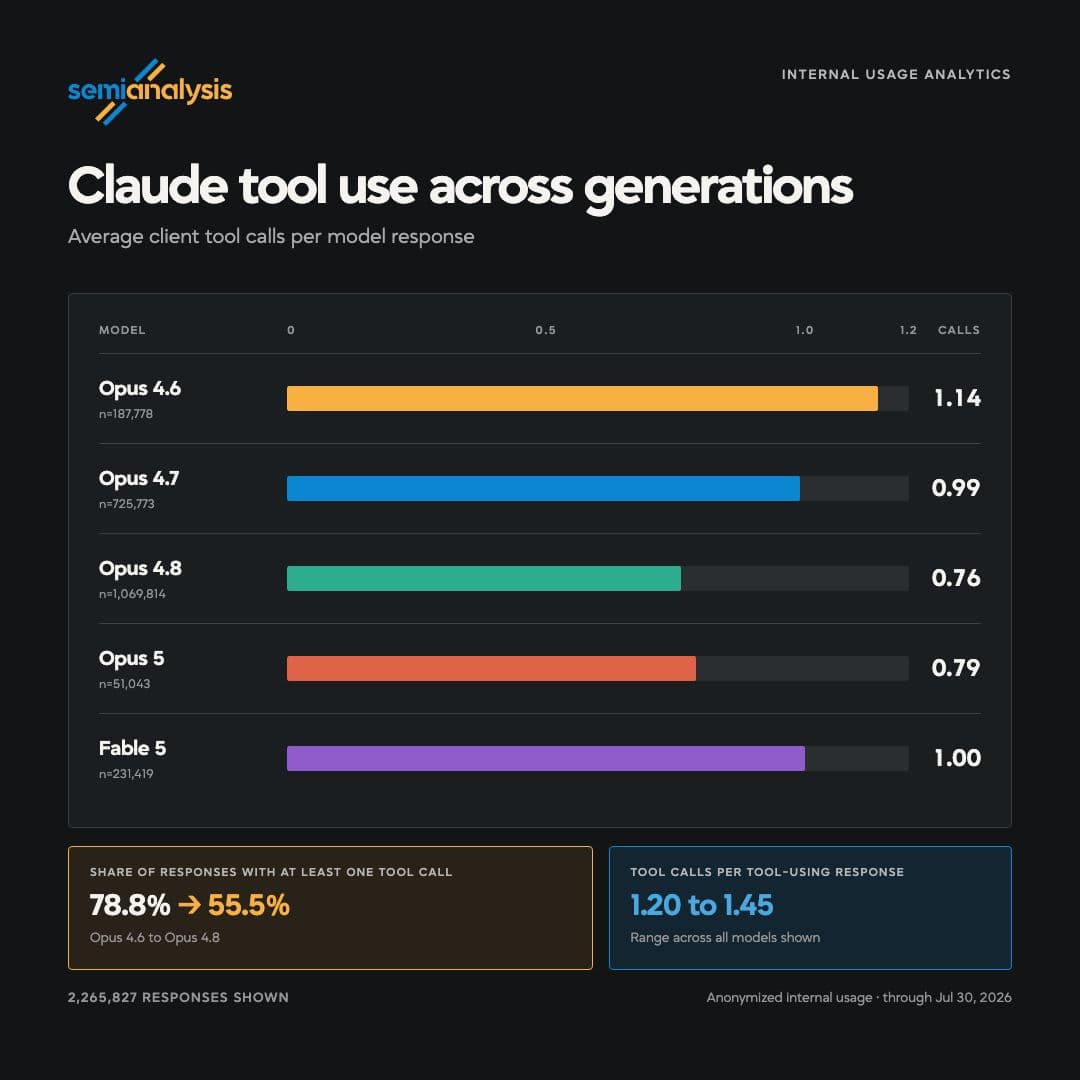
SemiAnalysis scraped 2.27M Claude responses and found Fable 5 averages 1.00 tool calls per response, beating Opus 4.8's 0.76 and Opus 5's 0.79. The Opus line shows a downward trend from 4.6 to 4.8, while Fable breaks the pattern.
Key facts
- 2.27M Claude responses analyzed by SemiAnalysis
- Fable 5: 1.00 tool calls per response
- Opus 4.8: 0.76 tool calls per response
- Opus 5: 0.79 tool calls per response
- Opus tool calls trend downward from 4.6 to 4.8
SemiAnalysis examined 2.27M Claude responses and found a clear divergence in tool-calling behavior across Anthropic's model families. According to @SemiAnalysis_, the Opus models show a steady decline in tool calls from Opus 4.6 through Opus 4.8, while the newer Fable 5 model averages 1.00 tool calls per response — the highest figure recorded in the dataset.
The raw numbers: Opus 4.8 sits at 0.76 tool calls per response, Opus 5 at 0.79, and Fable 5 at 1.00. The gap between Fable and Opus 5 is 0.21 calls per response, a 27% relative increase. This is not noise — the dataset is large enough (2.27M responses) to make these deltas statistically meaningful, though SemiAnalysis did not disclose the exact distribution of responses across model versions.
What the trend says about model design
The Opus decline from 4.6 to 4.8 suggests Anthropic may be tuning Opus for more direct, single-shot answers — possibly reducing unnecessary tool invocations to cut latency and cost. Fable 5's higher rate indicates a different design target: it defaults to tool use more readily, likely for agentic workflows where multi-step actions are expected.
The 1.00 average is a round number, which raises a question: is Fable 5 being deployed in environments that force at least one tool call per turn? SemiAnalysis did not break down the data by use case or API endpoint, so the possibility of selection bias cannot be ruled out. The source did not disclose whether the responses came from the API, Claude.ai, or a mix of both.
Why this matters for agent economics
Tool calls are not free. Each invocation adds latency and token cost. If Fable 5 is more aggressive with tools, enterprises running agentic loops will see higher per-task spend — but potentially better task completion rates. The tradeoff is the real story here, and it mirrors what we saw in the broader agentic coding benchmarks over the past quarter: models that call tools more often tend to score higher on multi-step tasks, but at a measurable cost premium.
SemiAnalysis's dataset is a rare look at production telemetry rather than benchmark scores. Most vendors publish eval numbers; few publish real-world tool-call frequencies at this scale. The 2.27M response corpus gives operators a concrete baseline for capacity planning and cost modeling.
Key Takeaways
- SemiAnalysis analyzed 2.27M Claude responses, finding Fable 5 averages 1.00 tool calls per response versus 0.76 for Opus 4.8.
- The Opus line shows a downward trend.
What to watch
Watch for Anthropic's next model release notes to see if Fable 5's tool-call rate is a deliberate design choice or an artifact of its deployment context. Also track whether Opus 5's 0.79 figure rises or falls in future datasets, and whether enterprise users report higher token spend per task with Fable 5.
[Updated 07 Aug via reddit_claude]
A separate physics-sim benchmark by Reddit user EricBuildsMathModels pits 10 LLMs at building towers with 30 tool calls each, and Claude Opus 5 won with 8.52m height, edging Sonnet 5 (8.46m) and Fable 5 (7.81m). Opus succeeded by strategically ending attempts early to protect tall structures, while GPT-5.6 Sol often toppled its 7.9m towers trying to go higher. Notably, Fable 5's higher tool-call frequency (1.00 per response in SemiAnalysis data) didn't translate to best tower height, suggesting tool-call volume alone doesn't predict task performance.
[Updated 07 Aug via gn_claude_model]
In a separate development, ByteDance claims its new AI model outperforms Anthropic's Claude Opus 4.6, according to Startup Fortune. This could signal intensifying competition in the agentic AI space, potentially affecting Anthropic's model deployment strategies and tool-call optimization priorities.
[Updated 08 Aug via gn_claude_community]
A VentureBeat report reveals that four coordinating AI agents outperformed Claude Opus 4.8 on enterprise coding tasks, underscoring the value of multi-agent orchestration over raw tool-call frequency. The agents, working in real time, completed complex coding workflows more efficiently than the single Opus 4.8 model, which averages 0.76 tool calls per response. This suggests that while Fable 5's 1.00 tool-call rate may boost individual performance, collaborative agent swarms can achieve superior results. [per VentureBeat]