A new startup called Cobl has entered the AI productivity arena with a platform aimed at automating the creation of business documents. The company claims its multi-agent AI system is designed to tackle the "blank page problem" for documents like proposals, reports, and plans.
What Happened
Cobl announced its launch via social media, positioning itself as a solution for professionals who need to generate structured business documents from scratch. The core premise is using a coordinated system of AI agents—likely specialized models for research, drafting, formatting, and refinement—to produce initial drafts based on user prompts and context.
Context
The "blank page problem" is a common target for AI writing assistants, but most existing tools (like ChatGPT, Claude, or Jasper) are general-purpose or focused on marketing copy. The business document space—requiring specific formats, data integration, and professional tone—has seen specialized entrants like Notion AI (for wikis and notes), Microsoft Copilot (deeply integrated into 365 apps), and startups like Lexion for legal contracts.
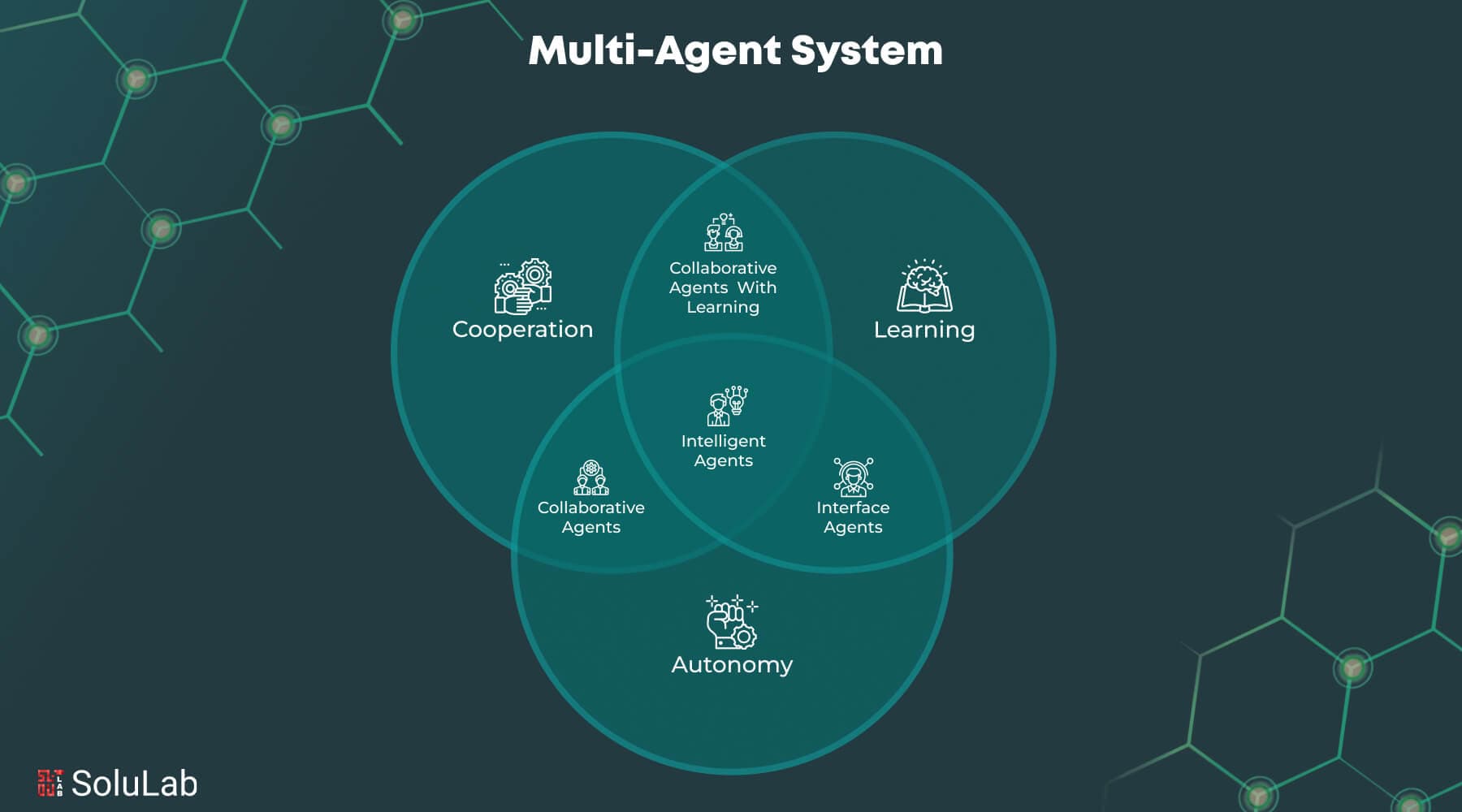
Cobl's differentiation appears to be its explicit multi-agent architecture for this vertical. Instead of a single LLM trying to do everything, a multi-agent system can break the document creation process into discrete, managed steps (e.g., one agent gathers requirements, another outlines, another writes sections, another checks compliance). This can potentially improve consistency and handle more complex, multi-source tasks.
What We Know (and Don't)
The announcement is light on technical specifics. Key details typically required for technical evaluation are missing:
- Model Foundation: Which LLMs power the agents? Fine-tuned proprietary models or API calls to GPT-4, Claude 3, etc.?
- Architecture: How are the agents orchestrated? What is the interaction flow?
- Benchmarks/Performance: No metrics on accuracy, time saved, or user studies.
- Pricing & Availability: No information on cost, subscription model, or waitlist status.
Without these details, it's impossible to compare its capabilities to incumbents on a technical level. The claim to "kill the blank page problem forever" is a common marketing hyperbole in a space where the final human review and contextual nuance remain significant hurdles.
gentic.news Analysis
Cobl's launch is a microcosm of the current generative AI market: a flood of startups applying similar underlying technology (LLMs, agentic workflows) to niche verticals. The business document automation space is already crowded. Microsoft's Copilot for Microsoft 365 is the entrenched giant, using the user's own data in Word, Excel, and Outlook to generate content. Notion AI has a strong foothold in the knowledge-worker segment. Startups like Jasper (for marketing) and Lexion (for legal) have carved out their own territories.
For Cobl to gain traction, it must demonstrate a tangible edge in one of three areas: 1) Quality (significantly better first drafts), 2) Workflow (seamlessly integrating into existing business tools like CRM or project management software), or 3) Specialization (handling a specific, complex document type like regulatory filings or technical proposals better than anyone else). The multi-agent approach suggests a focus on complex workflow and quality through specialization.
The broader trend, as seen with the rise of Cognition Labs' Devin (AI software engineer) and Sierra (AI customer service agents), is the industry's shift from single-prompt chatbots to multi-step, autonomous agent systems. Cobl is applying that same architectural trend to the document creation domain. Success will depend on execution—reliability, cost, and user experience—in a market where the barrier to creating a basic AI writing wrapper is low, but building a robust, trusted enterprise product is high.
Frequently Asked Questions
What is Cobl AI?
Cobl is a startup that has built a multi-agent artificial intelligence platform designed to automatically generate business documents like proposals, reports, and plans, aiming to eliminate the difficulty of starting from a blank page.
How is Cobl different from ChatGPT or Copilot?
While tools like ChatGPT are general-purpose conversational AI, and Microsoft Copilot is deeply integrated into specific Microsoft 365 applications, Cobl claims to use a multi-agent system specifically architected for the end-to-end process of creating structured business documents. This could involve specialized agents for research, drafting, and formatting working together.
Is Cobl AI available to use?
As of this reporting based on the launch announcement, specific details regarding public availability, pricing, or access via a waitlist have not been provided. The announcement serves as a public introduction of the company and its intended product direction.
What is the "blank page problem" in AI?
The "blank page problem" refers to the initial hurdle and time cost of creating a first draft of any document or content. Even with powerful AI, a user must provide detailed prompts and context. The goal of specialized tools like Cobl is to reduce that friction by using a deeper understanding of business document structures and user intent to generate a more complete, relevant starting draft.