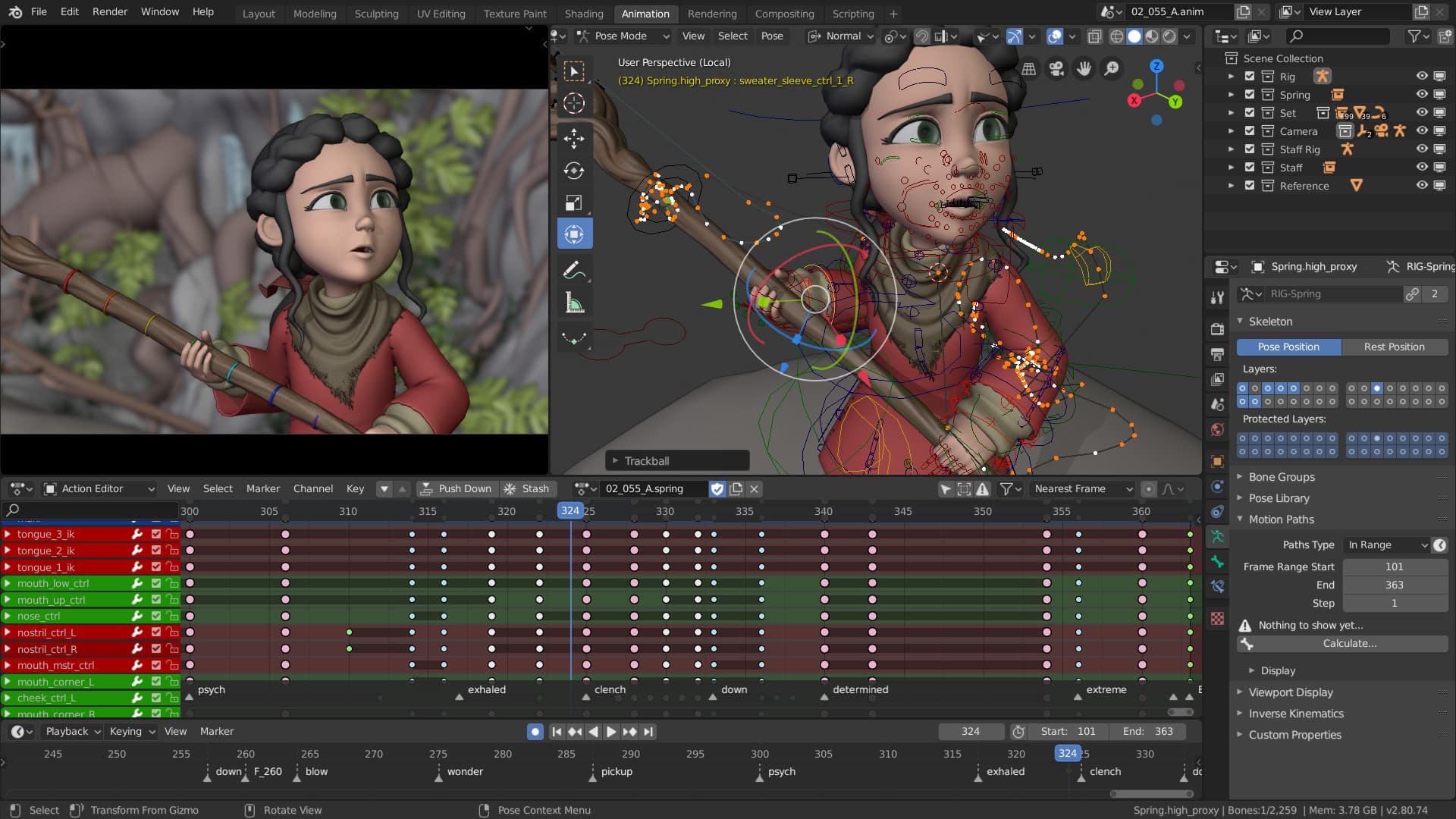
OpenAI Codex's computer-use mode installed Blender and generated a 3D otter animation from scratch. The user only clicked once to grant Windows permission, per a demo by @emollick.
Key facts
- Codex installed Blender autonomously on Windows.
- User clicked once to grant permission.
- Generated a full 3D otter animation.
- User had zero prior Blender experience.
- Demo posted to X by @emollick.
A viral demo from @emollick shows OpenAI Codex's computer-use feature autonomously installing Blender, modeling a 3D otter, and rendering an animation — all from a single natural-language prompt. The user said they had never used Blender before. The model managed the full pipeline: downloading the installer, navigating Windows permissions, learning Blender's interface on the fly, and executing the 3D workflow.
The demo per @emollick on X required only one human click to approve the software installation. Everything else — opening Blender, creating a 3D mesh, texturing, rigging, and generating the animation loop — was handled by Codex's computer-control capabilities.
This represents a significant leap from earlier agentic demos that operated within sandboxed environments or limited tool sets. Prior computer-use demonstrations from Anthropic (Claude 3.5 Sonnet's computer-use beta, October 2024) and Google (Project Mariner, December 2024) focused on web browsing and form filling. Codex's Blender demo extends the paradigm to full desktop application control, including software installation — a task that typically requires administrator privileges and platform-specific error handling.
Why this matters
The demo collapses the distance between natural-language intent and complex desktop automation. For AI engineers, the key signal is the model's ability to handle unanticipated installer dialogs, permission prompts, and application-specific UI layouts without prior training on Blender specifically. This suggests the underlying vision-language-action model generalizes across desktop environments rather than relying on curated training data.
The practical implication: enterprise workflows that involve installing and operating domain-specific software (CAD tools, video editors, data analysis suites) could become automatable with a single prompt, dramatically reducing the barrier to entry for non-expert users. The countervailing risk is safety — autonomous software installation opens vectors for unintended system modifications.
What's next
[According to @emollick], the demo was performed on a standard Windows machine. OpenAI has not disclosed whether Codex's computer-use mode is available in the public API or limited to internal testing. The company did not specify which model version (likely GPT-4o or a specialized Codex variant) powered the demo.
Watch for OpenAI's next developer update for API availability details, and for competing demos from Anthropic or Google that match or exceed Codex's desktop autonomy.
What to watch
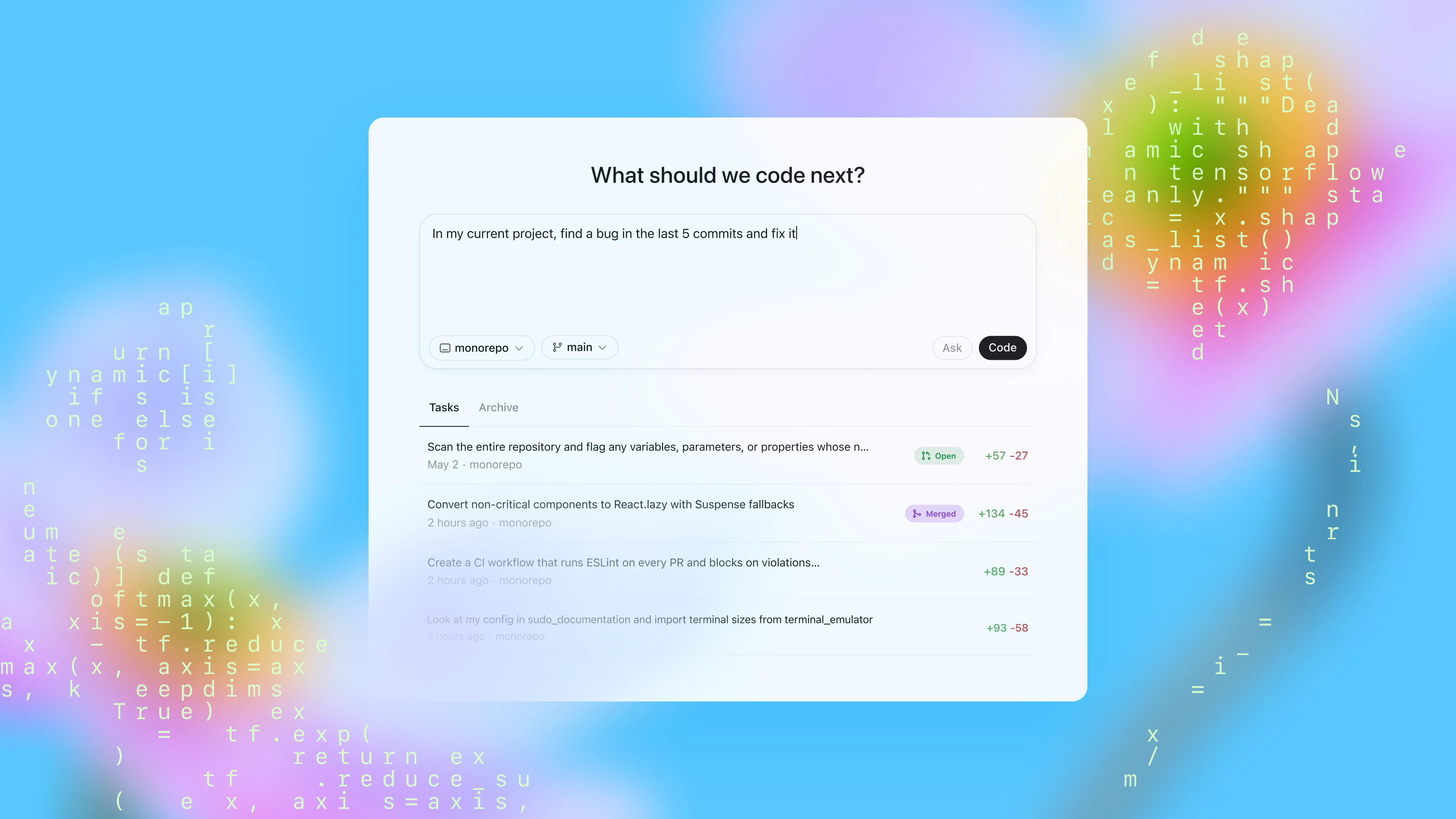
Watch for OpenAI's next developer event for API availability of Codex computer-use mode. Also monitor Anthropic and Google for competing desktop-autonomy demos that match Blender installation and operation.