Key Takeaways
- Daydream has announced a generative AI platform specifically positioned to tackle the 'personalization gap' in fashion.
- This represents another entry in the competitive landscape of AI-powered retail personalization tools.
The Announcement

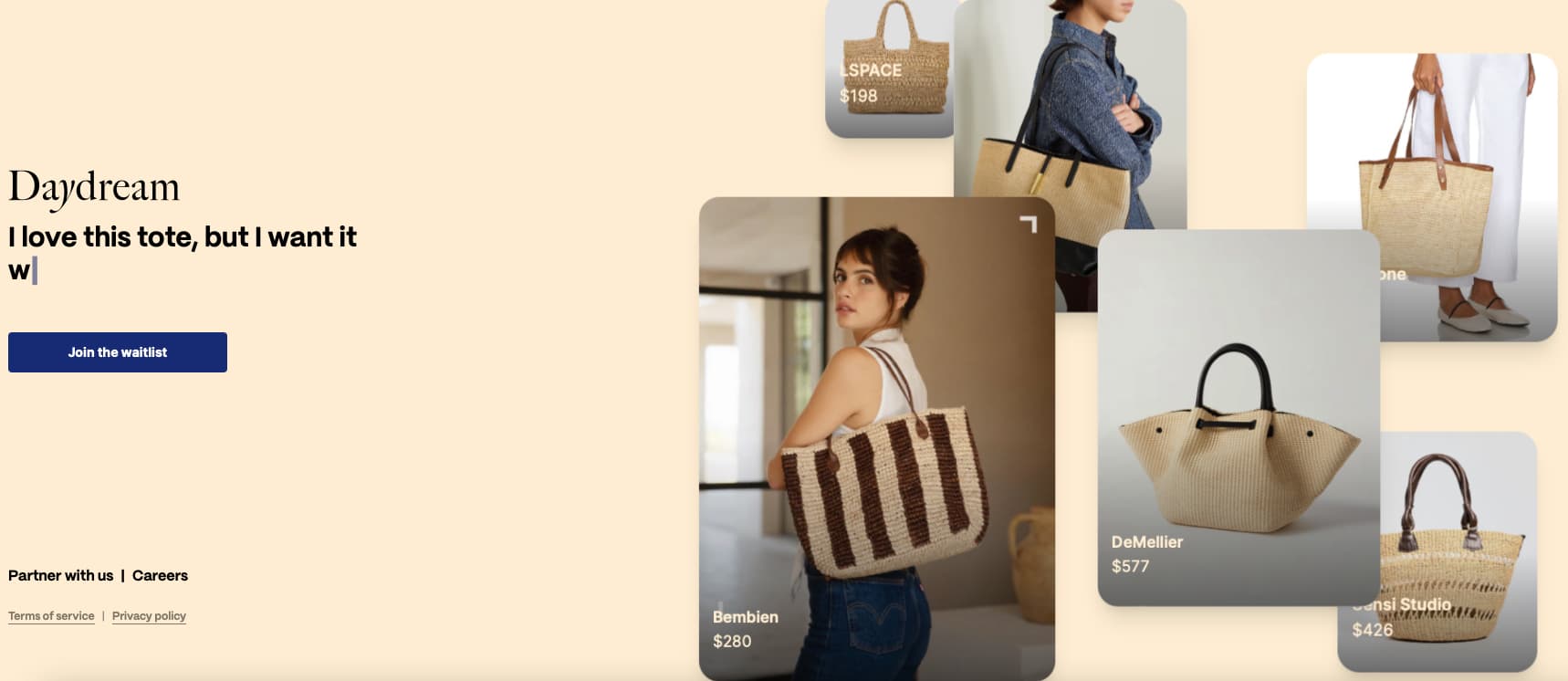
Daydream, a company operating in the AI and retail technology space, has publicly announced the launch of a new generative AI platform. The core stated mission of this platform is to address what the company terms the "fashion personalization gap." While the provided source material is limited to the announcement headline and does not contain detailed technical specifications or client case studies, the positioning is clear: this is a tool built for the fashion sector, leveraging generative AI to create more personalized experiences.
The term "personalization gap" typically refers to the disconnect between a brand's mass-market offerings and the individual consumer's unique style, fit preferences, and aspirational identity. Current e-commerce personalization often relies on basic recommendation engines ("customers who bought this also bought...") or simplistic style quizzes. Daydream's platform appears to be positioning itself as a next-generation solution that uses generative AI—likely capable of generating imagery, text, or styled outfits—to create a more dynamic and individualized interaction.
Why This Matters for Retail & Luxury
For luxury and premium retail, personalization is not a nice-to-have; it is a fundamental expectation of the high-value client relationship. The challenge has always been scaling bespoke, consultant-level service to a digital audience. A generative AI platform that can effectively interpret a user's vague style inspiration ("elegant but relaxed summer evening in Capri") and generate coherent, brand-aligned visual outfits could serve several critical functions:
- Inspiration & Discovery: Moving beyond the grid of products to a conversational or inspirational starting point. A customer could describe a mood or event, and the AI generates a capsule wardrobe from the brand's inventory.
- Styling Assistance: Acting as a scalable digital stylist, suggesting complete looks, accessories, and alternatives based on a single item a customer is viewing.
- Size & Fit Guidance: While not explicitly stated, advanced personalization often incorporates fit prediction. Generative AI could visualize how a specific garment might look on a body type similar to the user's, based on shared attributes.
- Content Creation at Scale: For marketing teams, such a platform could generate personalized lookbooks, email campaign visuals, or social media content tailored to different customer segments.
Business Impact & Competitive Landscape
The direct business impact of Daydream's specific platform is unquantified in the source material. Success in this space is measured by key retail metrics: conversion rate, average order value (AOV), reduction in return rates (especially for fit-related issues), and increased customer engagement time.
Daydream is entering a field with established players and internal initiatives. Major luxury groups like LVMH and Kering have dedicated AI and digital innovation teams exploring similar capabilities. Tech giants like Google (through its Shopping Graph and AI tools) and Amazon (with its AI-powered fashion tools) are also formidable competitors in the underlying technology. Furthermore, specialized startups like Zyler (virtual try-on) or Syte (product discovery) are tackling adjacent pieces of the personalization puzzle. Daydream's challenge will be to demonstrate a superior, integrated solution that justifies adoption over in-house development or existing vendor partnerships.
Implementation & Technical Considerations
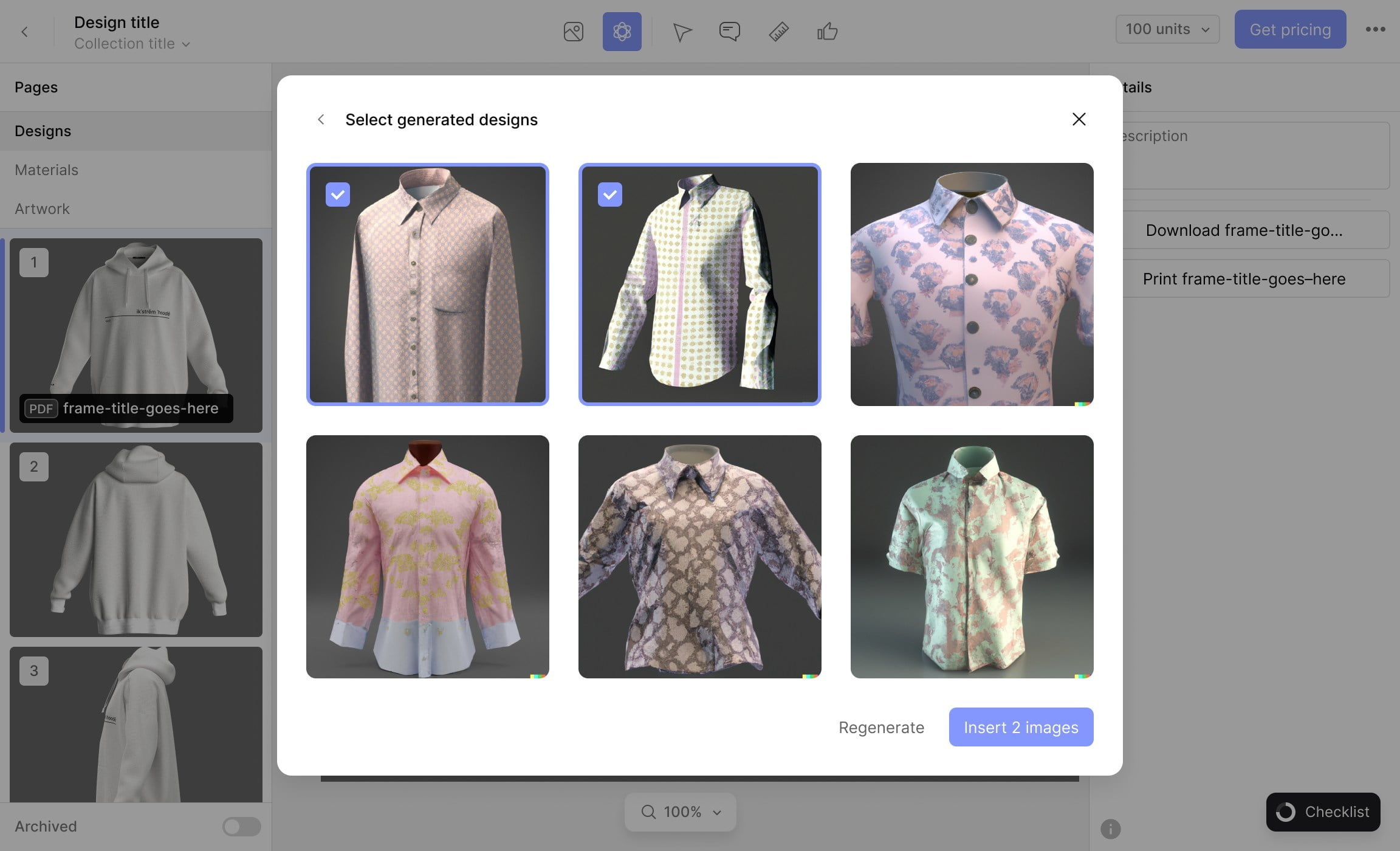
Implementing a platform like Daydream's would involve significant technical integration. Brands would need to provide:
- High-Quality, Structured Product Data: Clean SKU data with rich attributes (materials, cut, style tags, color), and consistent, high-resolution imagery from multiple angles.
- Inventory Feeds: Real-time or near-real-time inventory data to ensure generated outfits only feature purchasable items.
- API Integration: Connecting the AI platform to the brand's e-commerce backend, CMS, and potentially CRM system.
- Data Privacy Governance: Establishing clear protocols for how user input data (style preferences, uploaded images) is used, stored, and protected, adhering to regulations like GDPR and CCPA.
The complexity is high, requiring coordination between IT, e-commerce, marketing, and data governance teams. The effort is justified only if the platform demonstrates a clear ROI through the metrics mentioned above.
Governance & Risk Assessment
Any generative AI system in fashion carries inherent risks that luxury brands, with their reputation paramount, must manage meticulously:
- Brand Dilution & Misalignment: The AI must be deeply trained on and constrained by the brand's aesthetic code. It cannot generate outfits that are off-brand or in poor taste.
- Bias and Representation: The model must be trained on diverse body types, ethnicities, and ages to avoid perpetuating narrow beauty standards, which is both an ethical imperative and a commercial necessity.
- Hallucination & Accuracy: The AI cannot "hallucinate" products or details that don't exist. All generated items must be accurate representations of real inventory.
- Intellectual Property: The platform must ensure generated content does not inadvertently infringe on the designs or trademarks of other brands.
A successful deployment requires robust human-in-the-loop oversight, especially in the early stages, to audit outputs and continuously fine-tune the model.
gentic.news Analysis
Daydream's announcement is a clear signal that the battle for AI-driven fashion personalization is moving from the recommendation engine era to the generative era. This follows a broader industry trend where generative AI is being applied to core creative and commercial processes. It aligns with our previous coverage on how brands like Zalando are experimenting with generative AI for fashion design and how LVMH has partnered with Google Cloud on AI solutions, indicating a fertile but crowded ecosystem.
The key question for technical leaders at luxury houses is not if generative AI will be used for personalization, but how and with whom. The decision matrix involves build-vs.-buy-vs-partner considerations, weighed against the need for exclusivity and brand control. Daydream's platform will be judged on its ability to provide not just technology, but a deep understanding of luxury brand constraints and aspirations. Its success hinges on proving it can enhance, rather than automate, the emotional and artistic connection at the heart of luxury fashion. As this space evolves, we expect to see more announcements and pilot programs, with the winners being those platforms that master the trifecta of technological robustness, brand safety, and measurable commercial uplift.