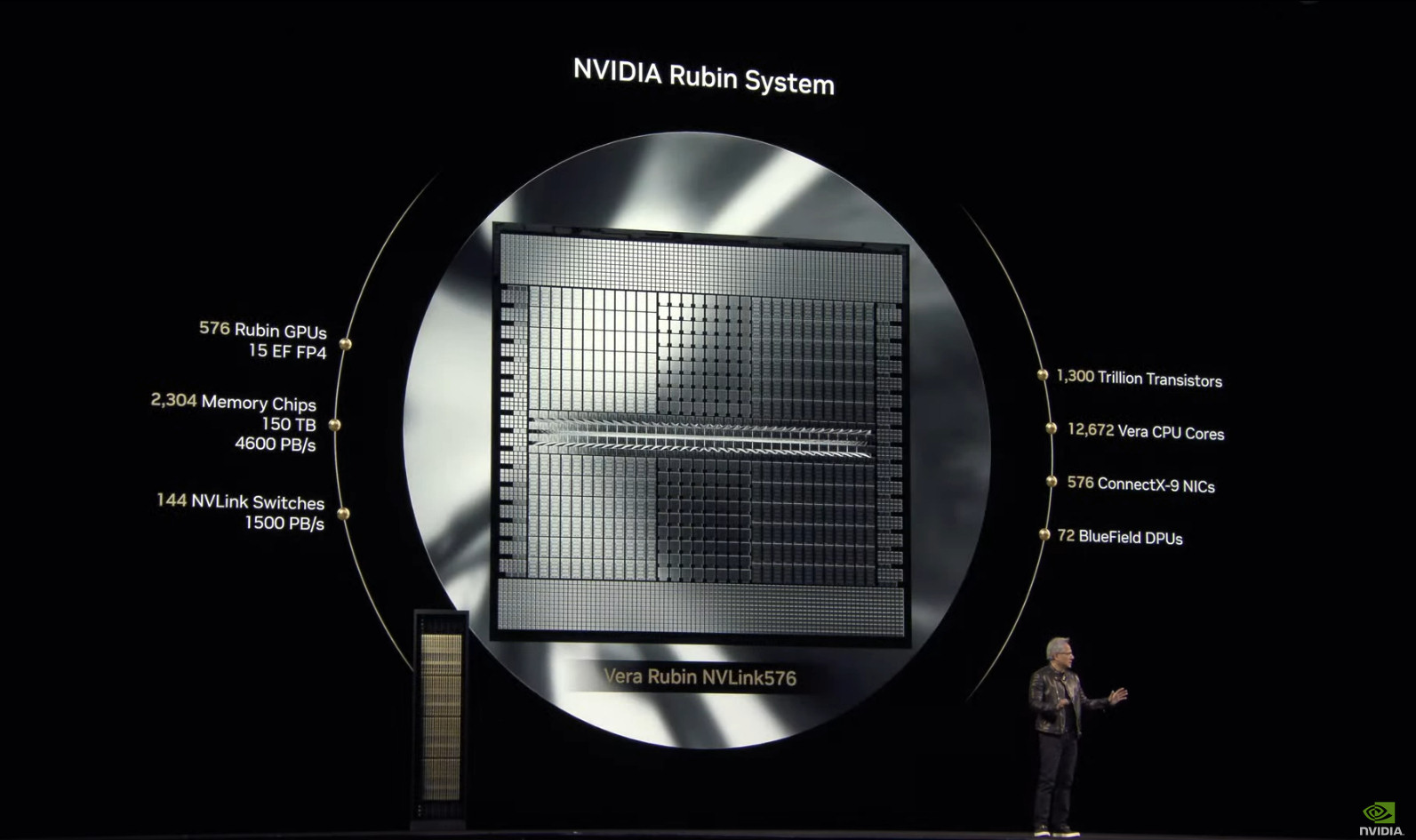
According to recent reports from industry sources, Chinese artificial intelligence company DeepSeek has reportedly trained its upcoming AI model using Nvidia's top-tier Blackwell chips—despite U.S. export controls that explicitly ban the shipment of these advanced semiconductors to China. This development, if confirmed, represents a significant challenge to Washington's efforts to maintain technological superiority in the critical AI sector while raising questions about the effectiveness of current export control mechanisms.
The Blackwell Chip: Nvidia's Crown Jewel
Nvidia's Blackwell architecture represents the company's most advanced AI accelerator platform, specifically designed for training and running massive artificial intelligence models. These chips offer substantial performance improvements over previous generations, with some estimates suggesting they can handle AI workloads up to 30 times more efficiently than their predecessors. For AI companies like DeepSeek, access to such hardware provides a crucial competitive advantage in developing increasingly sophisticated models.
The U.S. Commerce Department's Bureau of Industry and Security implemented export controls on advanced semiconductors in October 2022, with subsequent updates strengthening these restrictions. The regulations specifically target chips exceeding certain performance thresholds, including Nvidia's A100, H100, and the newer Blackwell series. The stated goal is to prevent China from acquiring cutting-edge technology that could enhance its military capabilities and AI development.
The Inner Mongolia Connection
A senior U.S. official, speaking on condition of anonymity, indicated that the Blackwell chips used by DeepSeek were likely clustered in a data center located in Inner Mongolia. This remote region of northern China has emerged as a hub for data-intensive operations due to its cool climate (reducing cooling costs), abundant land, and access to renewable energy sources, particularly wind power.
The location raises several possibilities about how the chips might have reached Chinese soil. They could have been acquired through third-party countries not bound by U.S. export controls, purchased on secondary markets, or obtained through corporate subsidiaries operating outside China. The Inner Mongolia data center connection suggests a sophisticated operation to concentrate computing power in a region with favorable operational conditions.
DeepSeek's Strategic Position
DeepSeek has emerged as one of China's most promising AI startups, developing large language models that compete with offerings from established players like OpenAI and Google. The company gained international attention earlier this year when it released DeepSeek-V2, a model that demonstrated competitive performance while being significantly more cost-effective to operate than some Western counterparts.
The reported use of Blackwell chips for training its next-generation model suggests DeepSeek is pursuing an aggressive development timeline. Access to such hardware would dramatically reduce training times and potentially enable the creation of more capable models than would be possible with restricted alternatives. This technological leap could help Chinese AI companies close the gap with their American counterparts despite export restrictions.
The Enforcement Challenge
The DeepSeek case highlights the practical difficulties of enforcing semiconductor export controls in a globalized technology ecosystem. While the U.S. government can restrict direct sales from American companies like Nvidia to Chinese entities, secondary markets, transshipment through third countries, and corporate restructuring present significant loopholes.
According to the source, U.S. officials believe DeepSeek may attempt to erase evidence of the Blackwell chips' use—a suggestion that underscores the cat-and-mouse nature of export control enforcement. Proving violations requires detailed technical forensics and intelligence gathering, complicated by the distributed nature of modern AI training across multiple data centers and jurisdictions.
Geopolitical Implications
This development occurs against a backdrop of intensifying technological competition between the United States and China. The Biden administration has made restricting China's access to advanced semiconductors a cornerstone of its national security strategy, arguing that these technologies have dual-use applications that could enhance China's military modernization and surveillance capabilities.
China, meanwhile, has invested heavily in developing domestic semiconductor alternatives through initiatives like the "Big Fund" (National Integrated Circuit Industry Investment Fund). While Chinese companies like Huawei and SMIC have made notable progress in manufacturing less advanced chips, they still lag significantly in producing the cutting-edge semiconductors needed for state-of-the-art AI training.
The reported circumvention of export controls suggests that despite these efforts, Chinese AI companies still perceive significant value in accessing Western semiconductor technology. It also indicates that export controls alone may not be sufficient to maintain a decisive technological advantage, requiring complementary strategies including innovation acceleration, talent retention, and international cooperation with allies.
Industry Reactions and Future Scenarios
The AI industry is watching this development closely, as it could prompt several potential responses:
Tighter Export Controls: The U.S. might implement more stringent regulations, potentially targeting chips with slightly lower performance thresholds or expanding restrictions to include manufacturing equipment and design software.
Enhanced Enforcement: Increased resources for monitoring and enforcement, including closer cooperation with allied nations to prevent transshipment and secondary market sales.
Accelerated Domestic Development: Both countries might increase investment in domestic semiconductor capabilities—the U.S. through the CHIPS Act and China through its national semiconductor initiatives.
Technological Workarounds: AI companies might develop alternative approaches, such as more efficient algorithms that require less computing power or distributed training techniques that can leverage multiple lower-performance chips.
The Broader AI Landscape
This incident reflects a broader trend in the global AI race: the increasing importance of computational resources as a strategic asset. As AI models grow larger and more complex, access to cutting-edge hardware becomes a critical determinant of competitive position. Companies and countries without such access face significant disadvantages in developing frontier AI capabilities.
The situation also raises ethical questions about the concentration of AI development capabilities. If only entities with access to restricted hardware can develop the most advanced AI systems, this could exacerbate existing inequalities in the global technology landscape and potentially lead to AI systems that reflect the values and priorities of a limited set of developers.
Looking Ahead
The DeepSeek case represents a significant test case for the effectiveness of semiconductor export controls as a tool of technological statecraft. Its resolution will likely influence future policy decisions on both sides of the Pacific. For the AI industry, it underscores the growing intersection of technology development with geopolitical considerations—a trend that shows no signs of abating as artificial intelligence becomes increasingly central to economic and security concerns.
Source: Twitter/@kimmonismus, additional industry analysis