Chinese AI company DeepSeek will run its highly anticipated V4 model on Huawei's Ascend 950PR chips, according to a report from The Information. The announcement has triggered a significant supply chain response, with major Chinese tech firms reportedly gathering hundreds of thousands of Huawei chips in preparation for the model's launch.
What's Happening
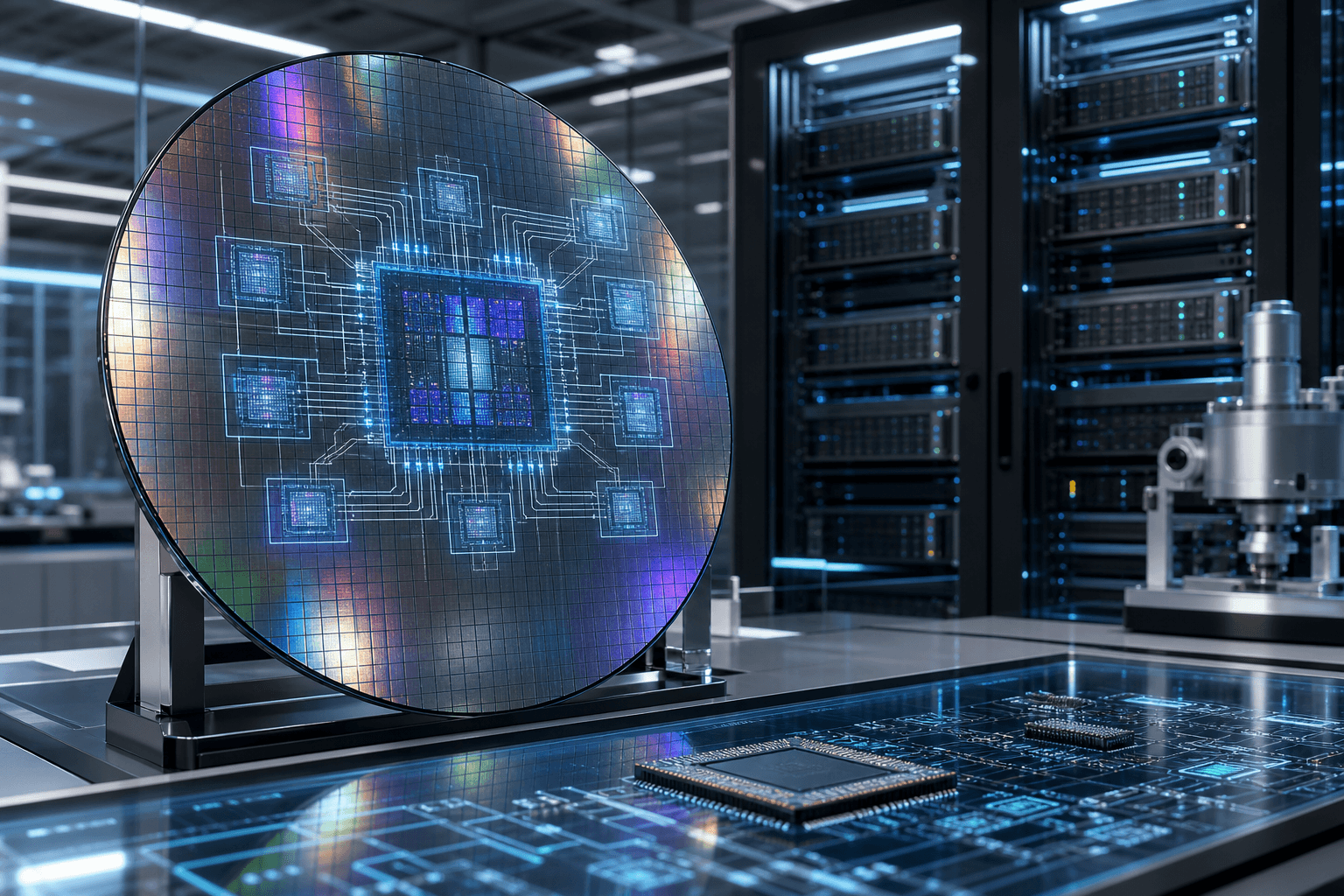
Huawei's Ascend 950PR, the newest design in its Ascend lineup, is scheduled to begin mass production this month (April 2026). The demand tied to DeepSeek's V4 announcement has already driven prices for these chips up approximately 20% in recent weeks, indicating intense competition for limited supply.
Alibaba, ByteDance, Tencent, and other major Chinese technology companies are actively stockpiling Huawei chips ahead of the DeepSeek V4 launch. This represents a significant shift in China's AI hardware landscape, as companies prepare for what appears to be a major AI model release that will run exclusively on domestic silicon.
Technical Context
DeepSeek has established a track record of pushing domestic chip compatibility. The company previously supported Huawei's Ascend 910C on earlier models like R1 and V3, where it achieved approximately 60% of Nvidia H100 performance in some benchmarks according to DeepSeek-linked studies.
However, the transition hasn't been without challenges. Past attempts to fully train larger models on Huawei silicon encountered technical difficulties, including delays to the R2 model in 2025. While inference and optimization support has improved significantly, training large foundation models on domestic chips remains a complex engineering challenge.
The Ascend 950PR represents Huawei's latest attempt to compete with Nvidia in the AI accelerator space. While specific technical specifications haven't been disclosed, the 20% price surge following the DeepSeek announcement suggests strong market confidence in its capabilities for running cutting-edge AI models.
Market Implications
This development represents a significant milestone in China's efforts to build an AI ecosystem independent of Western technology. The coordinated stockpiling by multiple major tech companies suggests a strategic shift toward domestic AI infrastructure, likely driven by both geopolitical considerations and improving technical capabilities.
The price increase for Ascend 950PR chips indicates supply constraints relative to demand, which could create temporary bottlenecks for Chinese AI development. However, it also signals growing confidence in Huawei's ability to produce competitive AI accelerators.
Frequently Asked Questions
What is DeepSeek V4?
DeepSeek V4 is the upcoming next-generation AI model from Chinese AI company DeepSeek. While specific capabilities haven't been announced, the company's previous models have been competitive in coding and reasoning benchmarks. The V4 appears to represent a significant architectural shift toward Huawei chip compatibility.
How does Huawei's Ascend 950PR compare to Nvidia chips?
Based on previous generation comparisons, Huawei's Ascend 910C achieved approximately 60% of Nvidia H100 performance in some benchmarks according to DeepSeek studies. The Ascend 950PR is expected to show improved performance, though specific benchmarks against current Nvidia offerings (like the Blackwell architecture) aren't yet available.
Why are Chinese companies stockpiling Huawei chips?
Chinese tech giants are preparing for DeepSeek V4's launch and likely anticipating broader industry shifts toward domestic AI hardware. This stockpiling reflects both immediate needs for running the new model and longer-term strategic positioning amid ongoing export controls and geopolitical tensions.
Will this affect global AI chip markets?
The immediate impact appears concentrated in China's domestic market, where Huawei chips are gaining share. However, if Chinese companies successfully deploy competitive AI models on domestic hardware, it could reduce long-term demand for Western chips in China and potentially create a parallel AI hardware ecosystem.
gentic.news Analysis
This development represents a strategic inflection point in the China-U.S. AI hardware competition. DeepSeek's commitment to Huawei silicon for its flagship V4 model—despite previous technical challenges with the R2 delays in 2025—signals that Chinese AI companies are now confident enough in domestic hardware to bet their most important models on it.
The coordinated response from Alibaba, ByteDance, and Tencent is particularly noteworthy. These companies aren't just passive observers; they're actively investing in the Huawei ecosystem by stockpiling hundreds of thousands of chips. This suggests a broader industry alignment around domestic AI infrastructure that goes beyond any single company's needs.
From a technical perspective, the 20% price surge for Ascend 950PR chips indicates that Huawei's manufacturing capacity hasn't yet caught up with demand. This creates a temporary advantage for early adopters like DeepSeek but could limit broader adoption if supply constraints persist. The real test will come when benchmark results for DeepSeek V4 on Huawei hardware become public—if performance approaches or exceeds comparable models on Nvidia hardware, it could trigger a more rapid industry shift.
This development also raises questions about the effectiveness of export controls. While restrictions have certainly made advanced Nvidia chips harder to obtain in China, they've also accelerated domestic innovation and ecosystem development. The DeepSeek-Huawei partnership demonstrates that China's AI industry is adapting to constraints by building parallel technological capabilities rather than simply scaling back ambitions.
The timing is significant—with mass production of Ascend 950PR beginning this month and DeepSeek V4 expected soon, we're likely to see the first major test of China's domestic AI stack at scale within the coming months. The results will influence not only China's AI development trajectory but also global perceptions of technological decoupling's practical effects.