
The Innovation — What the Source Reports
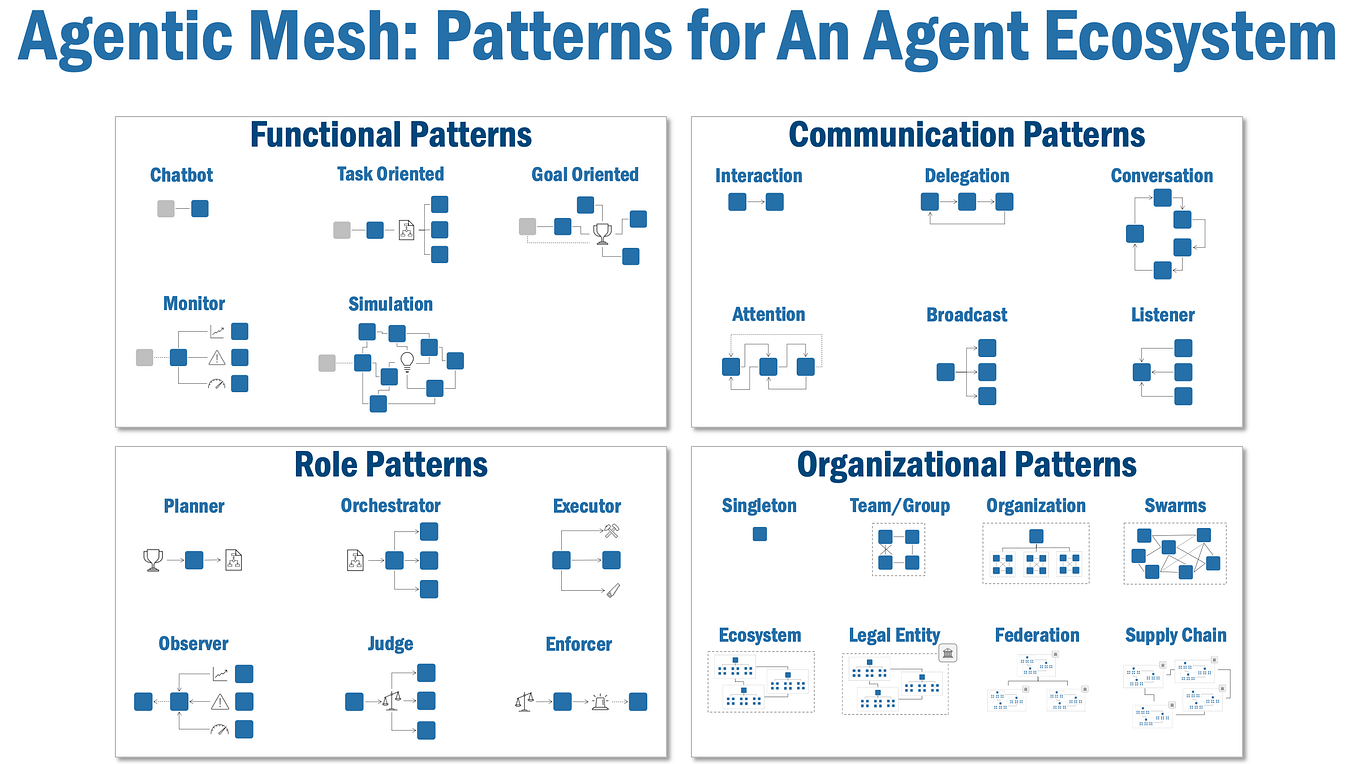
Dick's Sporting Goods is embarking on a significant AI initiative through a new partnership with Adobe. The core of this collaboration is the development and deployment of agentic AI 'digital coaches.'
While the source article from Chain Store Age provides limited technical specifics, the announcement confirms a strategic move beyond basic chatbots or recommendation engines. The term "agentic AI" implies systems capable of autonomous, goal-oriented actions within defined parameters, rather than simply responding to queries. These digital coaches are positioned as virtual assistants designed to provide personalized guidance to customers, presumably across digital touchpoints like the retailer's website or mobile app.
The partnership leverages Adobe's expertise in customer experience and enterprise software, suggesting the integration will be built upon or alongside Adobe's existing commerce and marketing cloud platforms.
Why This Matters for Retail & Luxury
For luxury and premium retail leaders, this announcement is a concrete signal of the next phase of AI in commerce: the shift from passive tools to active, autonomous agents.
- From Transaction to Curation & Coaching: A luxury purchase is often a considered, high-value decision. An agentic AI coach could guide a customer through a complex product lineup (e.g., different types of high-performance outerwear, technical footwear for specific sports, or premium golf equipment), asking clarifying questions, comparing features against stated needs, and building a basket over multiple sessions. This mimics the high-touch service of a knowledgeable in-store associate, but at digital scale.
- Personalization at an Agentic Level: Current personalization often stops at "customers who bought X also bought Y." An agentic coach could maintain a persistent understanding of a customer's goals (e.g., "training for a first marathon," "outfitting a home gym"), past purchases, and preferences. It could proactively suggest complementary items, remind them of maintenance schedules for equipment, or notify them of new product drops relevant to their journey.
- Operationalizing Deep Product Knowledge: Luxury goods often come with intricate craftsmanship, material stories, and usage protocols. An AI digital coach can be an always-available expert, instantly communicating this brand and product narrative, care instructions, or styling advice, ensuring consistency and depth of information that can be challenging to maintain across all human staff.
Business Impact
The direct business impact for Dick's is projected to be in enhanced customer satisfaction, increased average order value (AOV), and improved conversion rates on complex, considered purchases. By providing expert-level guidance digitally, they can reduce friction in the purchase path for high-consideration items.
For the luxury sector observing this move, the impact is strategic. Dick's, as a major sporting goods retailer, is validating a use case for AI that goes far beyond inventory management or simple chatbots. It is betting on AI as a core service delivery channel. Success here would provide a compelling blueprint for luxury houses looking to elevate their digital clienteling without diluting the perceived value of their service.
Implementation Approach & Technical Requirements

Building a reliable, brand-safe agentic AI system is non-trivial. The implementation likely involves:
- Foundation Model Integration: Utilizing a large language model (LLM) as the core reasoning engine, probably accessed via an API from a provider like OpenAI, Anthropic, or using a custom model.
- Orchestration Framework: Adobe likely provides or builds the agentic framework that defines the AI's goals, breaks down tasks, and manages tool use (e.g., querying product catalogs, accessing customer profiles, placing items in a cart).
- Enterprise System Integration: The AI must be deeply integrated with the Product Information Management (PIM) system for accurate specs, the Customer Data Platform (CDP) for personalization context, and the order management system.
- Guardrails and Brand Safety: A critical layer to ensure the AI's recommendations and language always align with brand voice, compliance standards, and ethical guidelines. Hallucinations or inappropriate suggestions are not acceptable in a luxury context.
This is a high-complexity, high-investment initiative requiring close partnership between the retailer's domain experts and the tech provider's AI engineers.
Governance & Risk Assessment
- Privacy: The AI's effectiveness hinges on deep customer data access. Transparency about data usage and robust consent mechanisms are paramount, especially under regulations like GDPR.
- Bias: The training data and goal definitions must be carefully audited to prevent the AI from steering customers toward products based on biased assumptions.
- Maturity Level: Agentic AI in production for customer-facing retail is at an early-adopter stage. Dick's and Adobe are entering relatively uncharted territory. The risks include technical failures, customer frustration if the agent behaves erratically, and the potential cost of over-engineering a solution. A phased rollout, likely starting with a specific product category or customer segment, is the prudent approach.
gentic.news Analysis
This move by Dick's Sporting Goods is part of a clear and accelerating trend among major retailers to operationalize advanced, agentic AI. It follows a pattern of investments in what we term "AI-as-a-Service-Representative." This aligns with the strategic direction seen in other sectors, where AI is being tasked with complex, multi-step customer interactions rather than single-turn tasks.
For the luxury sector, the Dick's-Adobe partnership is a critical case study to watch. Adobe, as a major enterprise software provider with deep roots in creative and marketing clouds, is making a definitive push into AI-powered commerce services. Their partnership with a retailer of Dick's scale validates a market for these sophisticated tools. Luxury brands, which often prioritize bespoke software solutions or work with specialized luxury CRM providers, must now assess whether generalist platforms like Adobe's can meet their unique needs for ultra-high-touch, brand-immersive digital experiences.
The key question for luxury AI leaders is: Can an agentic AI coach embody the nuance, discretion, and deep product reverence of a human vendeur? Dick's is testing this premise in the sporting goods arena. Its successes and failures will directly inform the feasibility and roadmap for similar deployments in luxury retail, where the stakes for brand perception and service excellence are even higher.