A significant strategic shift is underway in digital retail. According to a recent study highlighted by Retail Dive, nearly half (47%) of e-commerce retailers plan to invest $1 million or more into agentic commerce initiatives over the next 12 months. This finding underscores a move beyond basic chatbots and recommendation engines toward more autonomous, goal-oriented AI systems.
The report identifies top applications driving this investment, including AI-powered product discovery, AI chatbots, and personalized recommendations. This aligns with a broader industry trend, as evidenced by related coverage from sources like PYMNTS.com, where Shopify's president stated that AI agents will act as personal shoppers, and Furniture Today, which explored how retailers should acclimate to agentic AI.
The Innovation — What the Source Reports
The core finding is quantitative and clear: a substantial cohort of retailers is committing serious capital to agentic AI. "Agentic commerce" refers to the deployment of AI agents—software programs that can perceive their environment, make decisions, and take actions to achieve specific commercial goals with minimal human intervention. Unlike traditional rule-based systems, these agents leverage large language models (LLMs) and other AI to reason, plan, and execute multi-step tasks.
The linked coverage provides context for this investment surge:
- Shopify's Vision: The platform's president explicitly framed agents as "personal shoppers," suggesting a future where AI assistants guide customers through complex, personalized buying journeys.
- Industry Preparation: Outlets like Furniture Today are already publishing guides on "How should retailers acclimate themselves to agentic AI?" indicating the topic's urgency beyond pure tech companies.
- Broader Ecosystem Push: The context includes news about Salesforce's agentic AI push in CRM and reports forecasting the future of AI agents in retail from the WSJ, showing this is a cross-functional, industry-wide movement.
Why This Matters for Retail & Luxury
For luxury and high-end retail, the implications are profound. The sector's core values—personalization, exclusivity, service, and discovery—are directly addressable by advanced agentic systems.
- The Hyper-Personalized Concierge: An agentic system could move past recommending a product based on past purchases. It could act as a true digital stylist: understanding a customer's upcoming travel itinerary (via connected calendars), analyzing current wardrobe selections (via past purchases or virtual closets), considering real-time inventory of limited-edition pieces, and proactively suggesting a complete, cohesive look. It could then book appointments, arrange for private viewings, and handle alterations—all autonomously.
- Complex Product Discovery & Education: Luxury purchases are often considered investments. An AI agent could guide a customer through the nuances of materials (e.g., different grades of calfskin, types of watch movements), brand heritage, and craftsmanship. It could answer intricate, multi-part questions in a conversational manner, effectively replicating the knowledge of an in-store expert, but available 24/7.
- Seamless Omnichannel Orchestration: An agent could be the persistent thread across touchpoints. A conversation started on a mobile app about a handbag could continue in-store, where an associate is briefed by the agent on the customer's interests. Post-purchase, the agent could manage care instructions, resale value tracking, or notify the customer when a matching accessory arrives.
Business Impact
The planned $1M+ investments signal an expectation of significant ROI. Potential impacts include:
- Conversion Rate & AOV Lift: By providing deeply relevant, guided shopping experiences, agents can reduce friction and indecision, increasing conversion and average order value.
- Customer Lifetime Value (CLV): A truly helpful personal shopping agent fosters immense loyalty and stickiness, transforming a transactional relationship into a trusted advisory one.
- Operational Efficiency: Automating complex, repetitive advisory tasks frees human staff to focus on the highest-touch interactions, strategic relationship building, and creative direction.
However, the impact is not yet quantified in the source material. These investments are anticipatory, based on the strategic potential of the technology.
Implementation Approach
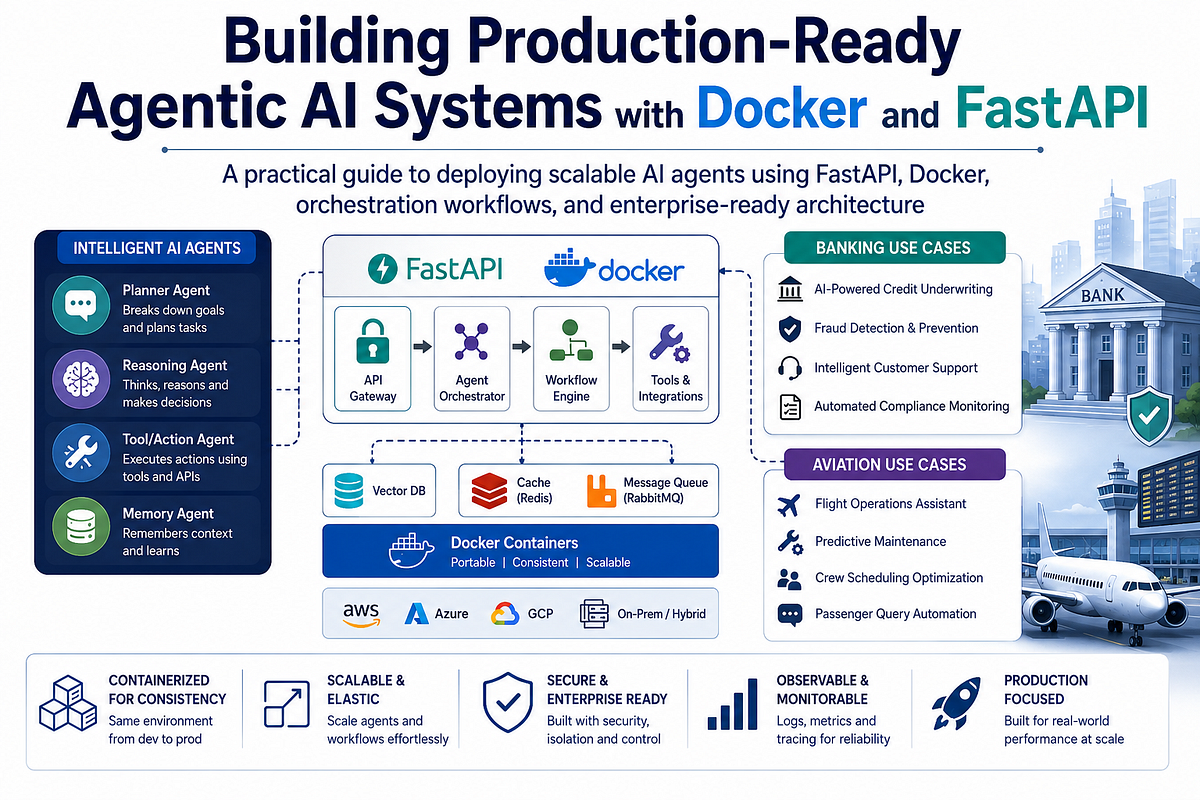
Building a reliable, brand-safe agentic commerce system is non-trivial. It requires a layered architecture:
- Foundation Models: Access to powerful, low-latency LLMs (like Google's Gemini series or others) for reasoning and conversation.
- Specialized Tools & APIs: The agent must be equipped with "tools" to interact with the world: real-time inventory APIs, CRM systems (like Salesforce), appointment schedulers, payment gateways, and rich product knowledge graphs.
- Orchestration & Memory: A framework to manage the agent's workflow (planning, tool use, reflection) and maintain persistent memory of customer interactions and preferences across sessions.
- Brand Guardrails: Critical for luxury. The agent's tone, style, product knowledge, and recommendations must be meticulously aligned with brand identity. This requires fine-tuning, rigorous prompt engineering, and content grounding in approved brand materials.
As noted in the Knowledge Graph, industry players like Google are developing foundational protocols like "Agent2Agent" to standardize communication, which could reduce future integration complexity.
Governance & Risk Assessment
The move to agentic systems introduces new risks that luxury brands, with their reputations, must manage meticulously:
- Brand Safety & Hallucination: An AI agent "going off script" and providing incorrect information about product provenance or making a tasteless recommendation is a high-stakes failure. Robust safeguards, continuous monitoring, and human-in-the-loop escalation are essential.
- Data Privacy & Luxury: These systems require deep customer data to be effective. The value exchange must be transparent, and data handling must exceed regulatory standards, treating personal style and preference data with the same care as financial information.
- The Human Touch Paradox: Luxury is inherently human-centric. The implementation must be additive, not replacement-oriented. The goal should be augmented service—where the agent handles information gathering and logistics, empowering the human associate to deliver deeper, more empathetic, and creative value.
- Technical Maturity: While investment is ramping, the technology is still evolving. Early projects should be scoped as controlled pilots with clear success metrics and off-ramps, not wholesale platform replacements.