The Innovation — What the source reports
A seismic shift in commerce is underway, driven not by retailers or banks, but by the infrastructure layer in between. According to a report from American Banker, agentic AI commerce is under active development at Visa, Mastercard, PayPal, Google, Walmart, Amazon, and Shopify. These are not simple chatbots for customer service; they are autonomous agents designed to research, evaluate, and ultimately execute purchases on a user's behalf.
The core proposition is powerful for consumers. Kelvin Chen, head of policy at the Consumer Bankers Association, illustrated the use case: shopping for complex, personalized items like laptops for children with different needs. An AI agent could replace "a week of spreadsheets and surfing" with a streamlined, intelligent decision-making assistant.
However, the report sounds a stark warning for financial institutions. As these agents gain the authority to make payments directly from users' linked bank accounts, credit cards, and debit cards, they introduce a new vector of risk that the banking system is unprepared to handle. Chen states bluntly: "This thing is coming... It's coming faster than you know."
Why This Matters for Retail & Luxury
For luxury and retail executives, this development represents both a massive opportunity and a new frontier of complexity.
The Opportunity: Hyper-Personalized, Frictionless Commerce
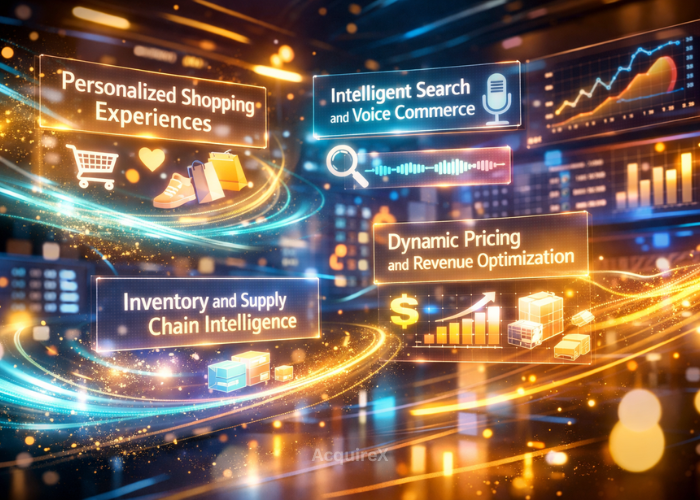
Imagine a client who wants to assemble a complete seasonal wardrobe. Instead of browsing dozens of product pages across multiple brands, they could instruct an agent: "Find me a timeless navy blazer, a silk blouse, and tailored trousers that complement my existing wardrobe and fit my style profile, within a budget of $5,000." The agent would autonomously scour authorized retailer sites, compare materials (e.g., Loro Piana wool vs. Brunello Cucinelli cashmere), check inventory, and present a curated shortlist—or, with permission, complete the purchase. This moves beyond recommendation engines to executive assistance.
The New Complexity: The Agent as the Primary Customer Interface
When an AI agent makes a purchase, who is the "customer"? The human user or the software? This has profound implications:
- Brand Experience & Loyalty: The agent, not the brand's website, becomes the primary point of discovery and transaction. Brand storytelling, visual merchandising, and the curated feel of a digital boutique could be bypassed or abstracted by an agent's utilitarian interface. Building loyalty may require providing structured data and API access that agents can understand.
- Pricing & Negotiation: Agents could be programmed to seek the best value, potentially triggering a new era of automated, cross-retailer price competition. Will luxury brands engage? Could there be "agent-only" inventory or pricing?
- Fraud & Dispute Onslaught: This is the core of the banking warning, but it directly impacts retailers. An agent making an erroneous or fraudulent purchase on a user's behalf will trigger a charge-back. The scale and ambiguity of these disputes could be unprecedented.
Business Impact — Quantified if Available, Honest if Not
The source does not provide proprietary ROI figures, but it cites significant industry projections from the Knowledge Graph context: autonomous AI agents could facilitate 50% of all online transactions by 2027. For the luxury sector, even a fraction of this volume shifting to agent-driven commerce would be transformative.
The immediate business impact is risk. The existing frameworks of consumer protection—Regulation E (for debit/ACH) and Regulation Z (for credit)—were not designed for autonomous software acting with user consent but without real-time, per-transaction human approval. Chen warns regulators that "we may see those charge-back rights flexed in ways you've never seen before."
For a luxury retailer, a charge-back on a $10,000 handbag sold to an AI agent is not just a lost sale; it's a logistical nightmare involving shipped physical goods, potential fraud, and a strained relationship with the acquiring bank.
Implementation Approach — Technical Requirements, Complexity, Effort
For retailers, preparing for an agentic commerce world is less about building the consumer-facing agents (that's the domain of the tech and payment giants) and more about enabling them.
- Structured Data & API-First Commerce: Agents will rely on machine-readable product data. This goes beyond basic product feeds. It requires rich, structured attributes: materials, craftsmanship details, dimensions, color accuracy, provenance, compatibility with other items, and style attributes. Investing in a robust, semantic product ontology is crucial.
- Agent Authentication & Authorization Protocols: How does a retailer know a request is coming from a legitimate AI agent acting on behalf of a verified user? Standards like the Agent2Agent protocol (mentioned in the Knowledge Graph as being developed by Google) will need to be adopted. Retailers will need systems to validate agent credentials and the scope of a user's authorization.
- Enhanced Order & Fraud Systems: Orders will need new metadata flags:
purchased_by_agent: true,agent_id,user_authorization_scope. Fraud detection models must be retrained to recognize legitimate agent purchase patterns, which may differ significantly from human browsing and checkout behavior.
Governance & Risk Assessment — Privacy, Bias, Maturity Level
Maturity Level: Early Development. The agents are in development, and the ecosystem (standards, regulations, technical infrastructure) is nascent. This is the time for strategic planning, not panic deployment.
Key Risks for Retailers & Luxury Brands:
- Liability & Dispute Chaos: The chain of liability between user, agent developer, payment network, bank, and retailer is undefined. If an agent buys the wrong size or a counterfeit item from a third-party marketplace, who is responsible? Retailers must review their terms of service and partner agreements to account for agent-driven purchases.
- Brand Dilution & Loss of Control: Ceding the front-end experience to an agent risks making products mere commodities in a data feed. The counter-strategy is to provide such uniquely rich, authoritative data and brand context that agents become ambassadors, not just comparators.
- Data Privacy & Consent: Agents will require deep access to user preferences, wardrobe data, and spending history. Retailers must ensure any data shared with or accessed by agents complies with GDPR, CCPA, and other regulations. User consent mechanisms must be transparent.
- Bias Amplification: If agents are trained on broad internet data, they may perpetuate biases against emerging designers, certain styles, or price points. Luxury brands advocating for craftsmanship and value beyond specifications may need to actively educate agent platforms.
The message from the financial sector is clear: the wave of agentic AI commerce is building. For luxury retail, the strategic imperative is not to wait and react, but to proactively shape the environment in which these agents will operate, turning a potential disruptor into a powerful channel for deeper, more intelligent client relationships.